Emergency Dispatcher's Calm Guidance Saves 4-Year-Old Girl in Massachusetts
A Massachusetts emergency dispatcher is being celebrated as a hero after providing life-saving instructions over the phone to a family whose 4-year-old daughter had stopped breathing. The incident, which occurred recently, highlights the critical role that trained dispatchers play in emergency medical situations before first responders can arrive on scene.
The Tense Emergency Call
According to reports, the family called 911 in a state of panic when their young child suddenly stopped breathing. The emergency dispatcher, whose identity has not been publicly released, remained remarkably calm and composed throughout the harrowing call. The dispatcher immediately recognized the severity of the situation and began providing clear, step-by-step instructions for performing cardiopulmonary resuscitation (CPR) on the child.
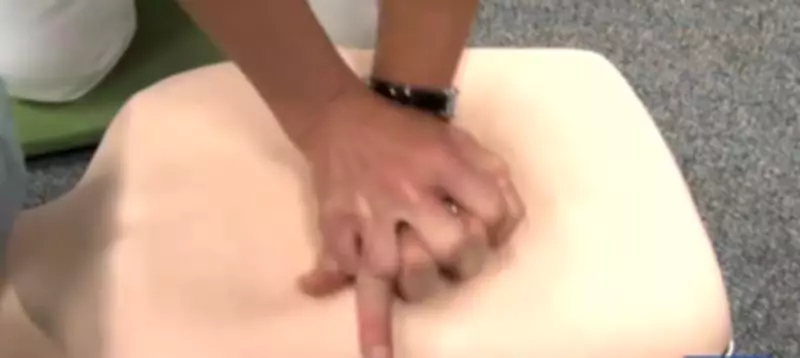
The dispatcher guided the family through the entire CPR process, including how to check for breathing, position the child correctly, and perform chest compressions at the proper rate and depth for a young child. This real-time coaching proved crucial in maintaining blood flow to the child's vital organs until emergency medical services could reach the location.

Successful Outcome and Recognition
Thanks to the dispatcher's expert guidance, the family was able to perform effective CPR that helped sustain the child until paramedics arrived. The young girl was subsequently transported to a local hospital where she received further medical treatment. While her current condition has not been disclosed, authorities have confirmed that the dispatcher's actions directly contributed to saving the child's life.
"This is exactly why we train our dispatchers so rigorously," said a spokesperson for the emergency services department. "They are the first line of defense in medical emergencies, and their ability to remain calm while providing precise instructions can mean the difference between life and death."
The Importance of Emergency Dispatch Training
The incident underscores several important aspects of emergency response systems:
- Emergency medical dispatchers receive specialized training in providing pre-arrival instructions for various medical emergencies
- CPR instructions can be effectively delivered over the phone even to untrained individuals
- Early intervention with CPR significantly improves survival rates for cardiac and respiratory emergencies
- Dispatcher-assisted CPR has become increasingly recognized as a vital component of emergency medical systems
While the specific details of what caused the child to stop breathing have not been released, medical experts note that young children can experience breathing emergencies from various causes including choking, respiratory infections, allergic reactions, or underlying medical conditions.
Broader Context of Emergency Services
This life-saving event occurs amid ongoing discussions about emergency service funding and training across North America. Many emergency dispatch centers have implemented enhanced protocols for medical emergencies, particularly for pediatric cases which require specialized approaches compared to adult emergencies.
The successful outcome in Massachusetts serves as a powerful reminder of the importance of maintaining well-trained emergency dispatch personnel and adequate funding for emergency services. It also highlights the value of public education about basic life support techniques that ordinary citizens can perform while waiting for professional help to arrive.