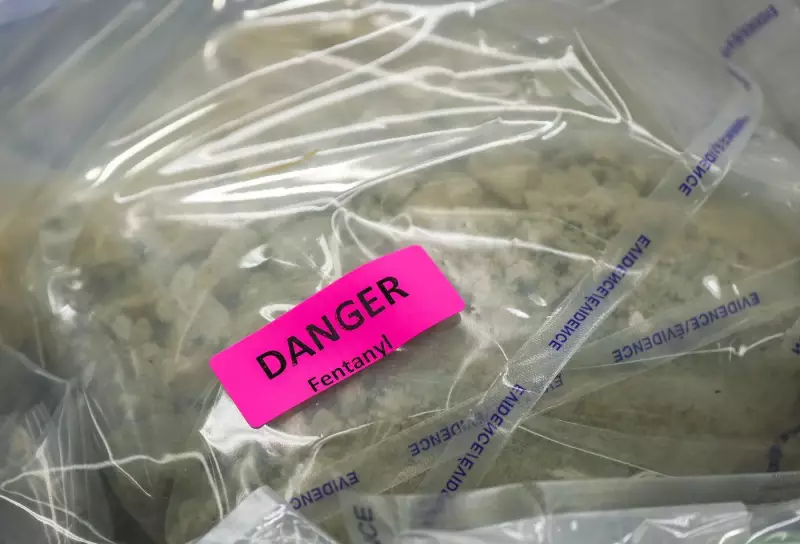
In a significant move to address the ongoing opioid and substance crisis, Health Canada has announced regulatory changes targeting the chemicals used to manufacture illicit drugs like fentanyl and methamphetamine. The new measures, announced on December 18, 2025, aim to disrupt the supply chain of these deadly substances at a critical point.
Targeting the Building Blocks of Illicit Drugs
The updated regulations focus on precursor chemicals. These are substances that, while sometimes having legitimate industrial uses, are also essential components in the clandestine production of synthetic drugs. By imposing stricter controls on their sale, distribution, and import, authorities hope to create a significant barrier for criminal organizations producing fentanyl and methamphetamine.
The announcement comes as Canada continues to grapple with a devastating public health emergency linked to toxic drug supplies. While recent data from Health Canada showed a massive drop in overdose-related deaths year-over-year, the crisis remains severe. The new rules represent a proactive step to prevent these chemicals from being diverted into the illegal market.

A Multi-Pronged Approach to a Complex Crisis
This regulatory shift is part of a broader strategy that includes harm reduction, treatment, and enforcement. By choking off the supply of key ingredients, the government aims to complement other life-saving measures. The changes involve amendments to the Controlled Drugs and Substances Act and its associated regulations, granting law enforcement and health officials enhanced tools for monitoring and intervention.
Officials have not released the exhaustive list of specific chemicals now under tighter control, but they are understood to be critical agents in the synthetic drug production process. The move aligns with international efforts to control precursor chemicals, as organized crime networks often source materials globally.
Implications and Expected Outcomes
The immediate goal is to increase the difficulty and cost for illicit drug manufacturers operating within or targeting Canada. In the longer term, the policy is designed to reduce the volume of deadly synthetic drugs like fentanyl entering communities. However, experts note that such measures must be part of a sustained and comprehensive approach that also heavily invests in addiction treatment, mental health services, and safe supply initiatives.
The regulatory update was formally published by Health Canada, with implementation expected to follow in the coming months. Stakeholders across the chemical industry, pharmaceutical sector, and law enforcement agencies are being notified of the new compliance requirements.