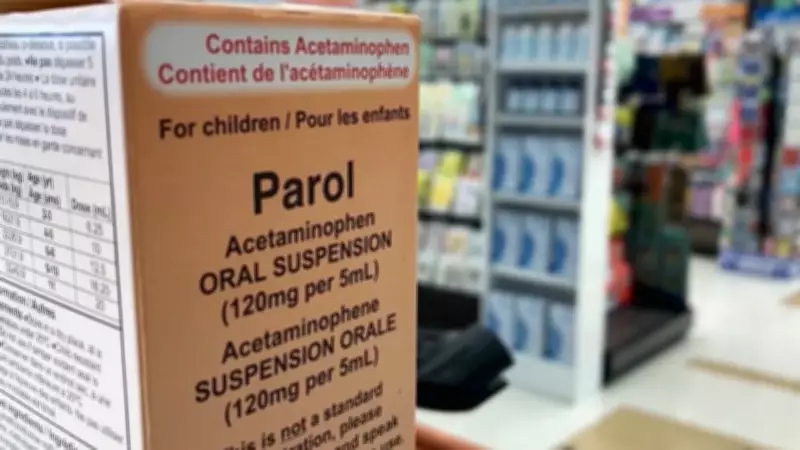
Alberta Government Destroys 700,000 Bottles of Children's Pain and Fever Medication
The Alberta government has taken decisive action by destroying the remaining 700,000 bottles of children's pain and fever medication that were originally ordered from Turkey. This significant disposal operation underscores ongoing concerns about the quality and safety of pharmaceutical imports, particularly for vulnerable pediatric populations.
Background and Context of the Medication Order
The medication was part of a larger procurement effort aimed at addressing shortages in children's healthcare supplies. However, quality control issues emerged during inspections, prompting health authorities to halt distribution. The destruction of these bottles represents a precautionary measure to prevent any potentially substandard products from reaching consumers.
Government officials have emphasized that this action aligns with strict public health protocols designed to safeguard children's well-being. While the specific reasons for the quality concerns have not been fully disclosed, it highlights the challenges in global pharmaceutical supply chains and the importance of rigorous testing standards.

Implications for Public Health and Policy
This incident raises important questions about medication safety and the reliance on international suppliers during health crises. The destruction of such a large quantity of medication also has financial implications, with costs associated with procurement and disposal borne by public funds.
Health advocates are calling for increased transparency in how medications are sourced and evaluated. They argue that domestic production capabilities should be strengthened to reduce dependence on foreign imports, especially for essential pediatric medicines.
Broader Impact on Healthcare Systems
The decision to destroy the medication reflects a proactive approach to risk management, but it also underscores the need for better contingency planning. Healthcare providers must now navigate potential gaps in supply, which could affect access to necessary treatments for children experiencing pain or fever.
Moving forward, policymakers are likely to review procurement strategies and enhance collaboration with regulatory bodies to ensure that all imported medications meet Canadian safety standards. This event serves as a reminder of the critical balance between addressing shortages and maintaining uncompromising quality controls in healthcare.