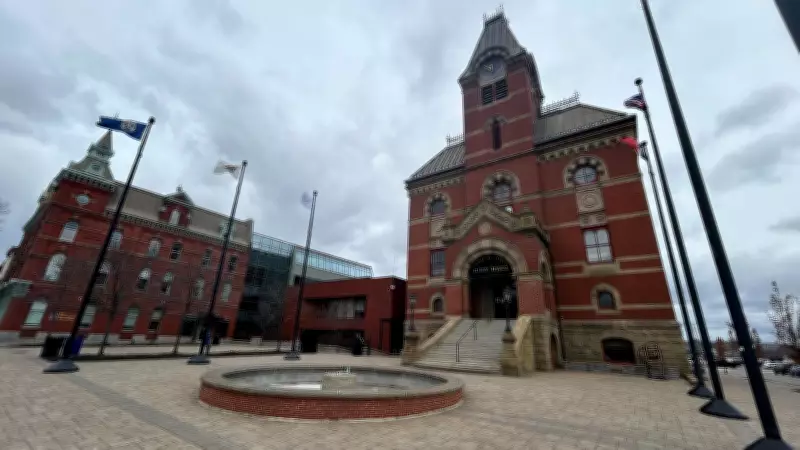
Fredericton City Hall was the site of a somber gathering on April 24, 2026, as advocates and community leaders sounded the alarm over a dramatic increase in drug overdoses in the city. Speaking at a press conference, representatives from local health organizations and addiction support groups urged immediate action to address what they describe as a public health emergency.
Rising Crisis
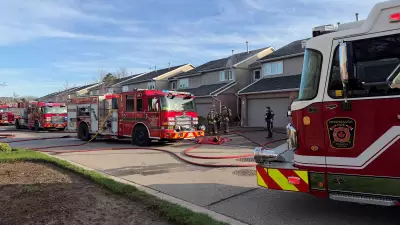
According to data from the New Brunswick Department of Health, Fredericton has experienced a 40% rise in overdose incidents over the past three months compared to the same period last year. The spike has been particularly severe in the downtown area, where first responders have been called to multiple overdose scenes daily.
“We are seeing a surge in overdoses that is overwhelming our emergency services and devastating families,” said Dr. Sarah Mitchell, a public health official. “This is not just a statistic; it’s a crisis that requires an urgent and coordinated response.”

Advocates’ Demands
Advocates are calling for several measures to combat the overdose spike. These include the establishment of a supervised consumption site in Fredericton, increased access to naloxone, and expanded funding for addiction treatment programs. They also emphasize the need for public education to reduce stigma and encourage people to seek help.
“We need to treat this as a health issue, not a criminal one,” said John Carter, executive director of the Fredericton Harm Reduction Coalition. “Every overdose death is preventable, and we have the tools to save lives. What we lack is the political will.”
Community Response
The city has taken some steps in response to the crisis, including distributing naloxone kits and increasing outreach to vulnerable populations. However, advocates argue that these measures are insufficient given the scale of the problem. They are urging the provincial government to declare a state of emergency and allocate additional resources.
“We cannot afford to wait any longer,” said Mayor Kate Rogers. “We are working with our partners to explore every option, but we need support from higher levels of government to implement the comprehensive solutions that are needed.”
Personal Stories
Behind the statistics are real people and families affected by the overdose crisis. Local resident Mary Thompson shared her story of losing her son to an overdose last year. “He was a bright young man who struggled with addiction. He deserved help, not judgment. We need to do better for our community.”
Advocates hope that by sharing these stories, they can build public support for policy changes that prioritize health and compassion over punishment.
Call to Action
As the overdose spike continues, advocates are urging residents to educate themselves about the signs of an overdose and how to respond. They also encourage anyone struggling with addiction or who knows someone who is to reach out for help without fear of stigma.
“We all have a role to play in ending this crisis,” said Carter. “Whether it’s carrying naloxone, advocating for policy change, or simply showing compassion to those affected, every action matters.”