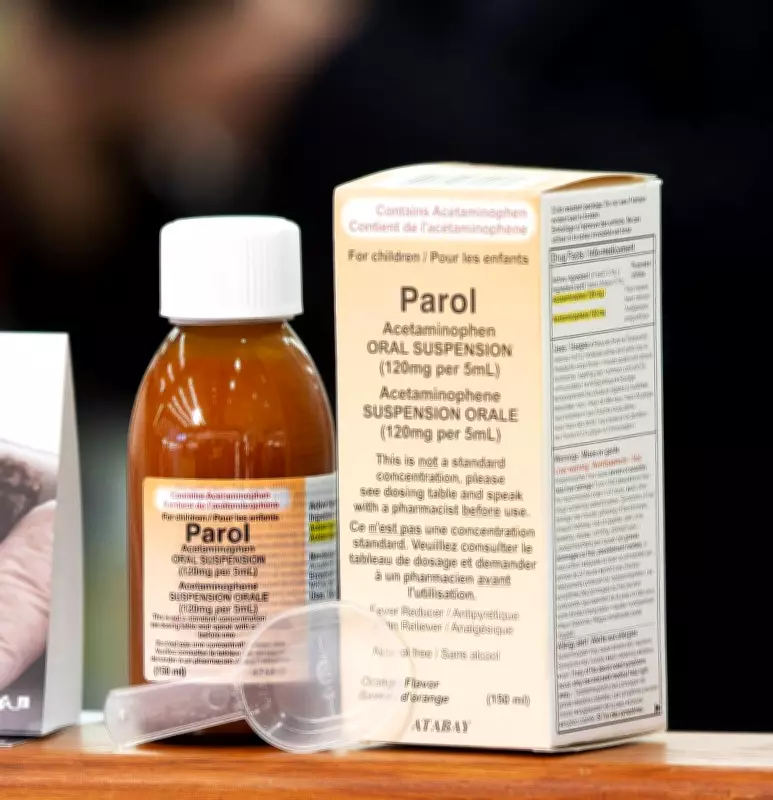
In a significant development, Alberta Health Services has confirmed the destruction of approximately 700,000 bottles of Turkish-made children's pain medication that was imported during a national shortage. The medication, which was approaching its expiration date, represents half of the surplus supply that the provincial government had hoped to donate to countries in need.
Failed Donation Efforts Lead to Massive Disposal
The disposal follows unsuccessful attempts to donate the remaining medication through Health Partners International of Canada. According to AHS, logistical challenges and the impending expiration dates in early 2026 prevented the complete distribution of the 1.4 million bottles originally intended for donation to eight countries, including war-torn Ukraine.
"We did not come to this conclusion lightly," stated an AHS spokesperson. "We are thankful to HPIC for their support in donating a large portion of the medication to those in need."

Costly Storage and Contract Complications
The surplus medication has incurred substantial storage costs, reaching $457,000 as of last November. This medication was part of a $70-million contract with Turkish manufacturer Atabay and Edmonton-based importer MHCare, arranged during exceptional circumstances amid a Canada-wide shortage of children's pain relief products.
Records indicate that $49 million of that contract remains unfulfilled, with the last of the supply set to expire in March. The imported acetaminophen featured a different concentration than typical North American products and was only sold behind pharmacy counters due to overdose risks.
Quality Concerns and Ongoing Investigations
The imported medication was used in Alberta hospitals for six months before AHS ordered a switch back to more familiar dosages, citing concerns about the product's thicker consistency potentially causing choking hazards. Both MHCare and provincial officials have defended the quality of the imported medication despite these concerns.
This controversial deal has prompted investigations by both the province's auditor general and the RCMP, adding another layer of scrutiny to the procurement process. The medication took longer than expected to arrive in Alberta, with only a fraction of the five million bottles ordered ever reaching the province, much of it arriving after the national shortage had already ended.