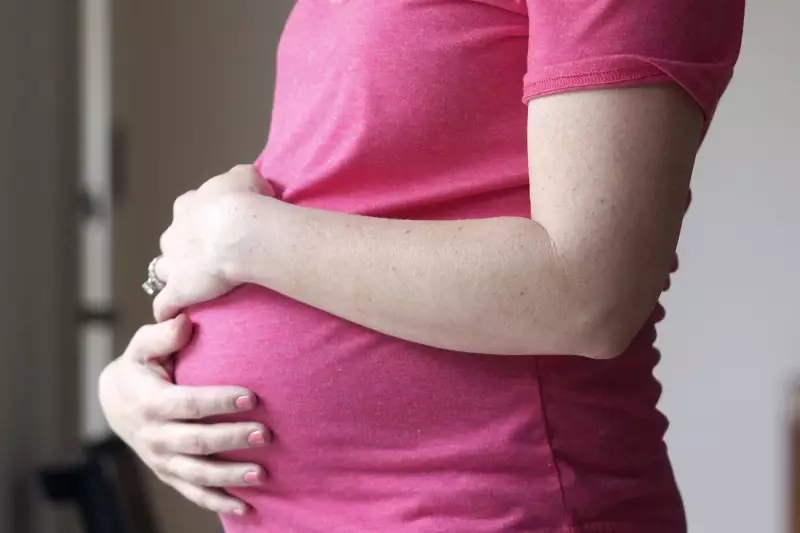
A significant new study provides robust evidence that receiving a COVID-19 vaccine during pregnancy offers substantial protection, not only against severe illness for the expectant mother but also against the risk of premature birth. The findings, published on December 15, 2025, reinforce public health guidance for pregnant individuals across Canada.
Key Findings on Maternal and Fetal Protection
The research, which analyzed data from a large cohort of pregnant women, concluded that vaccination significantly reduces the likelihood of developing severe COVID-19, which is known to pose heightened dangers during pregnancy. More notably, the study identified a clear correlation between vaccination and a lower incidence of preterm birth. This suggests the vaccine's benefits extend beyond the mother to directly impact fetal health and pregnancy outcomes.
Scientists indicate that by preventing severe maternal infection and the associated inflammatory response, vaccination helps create a more stable intrauterine environment. This stability is crucial for fetal development and reaching full term.

Addressing Vaccine Hesitancy Among Expectant Parents
This study arrives as a critical tool for healthcare providers combating vaccine hesitancy in prenatal care. For some expectant parents, concerns about potential effects on the fetus have led to reluctance. This large-scale analysis adds to a growing body of evidence demonstrating the safety and protective efficacy of COVID-19 vaccination during pregnancy.
The data underscores that the risks associated with contracting COVID-19 while unvaccinated—including hospitalization, the need for intensive care, and adverse pregnancy outcomes—far outweigh any known risks from the vaccine itself. Public health officials in Canada have long recommended the vaccine for pregnant individuals, and this study offers powerful, empirical support for that guidance.
Implications for Canadian Public Health Policy
The research findings have immediate implications for prenatal care and public health messaging nationwide. They provide clinicians with concrete data to share during consultations, empowering informed decision-making.
The study's publication in late 2025 serves as a timely reminder of the ongoing importance of vaccination, even as the acute phases of the pandemic recede. Protecting vulnerable populations, including pregnant women and their unborn children, remains a cornerstone of the healthcare strategy. This evidence solidifies the understanding that maternal vaccination is a key intervention for ensuring healthier pregnancies and births across the country.