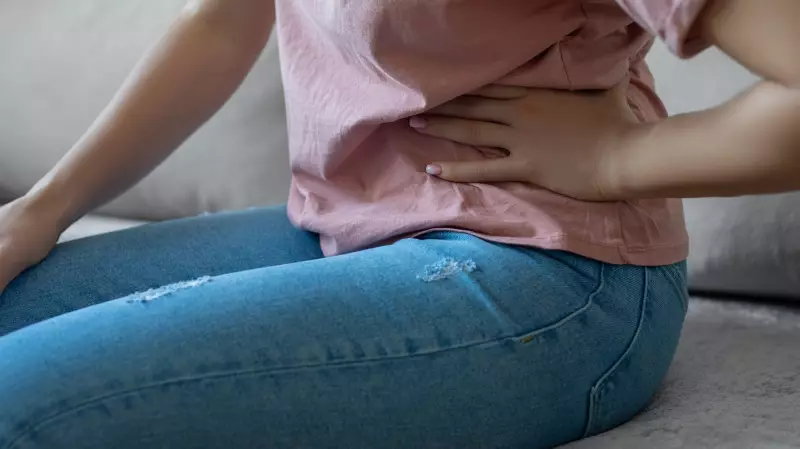
That nagging discomfort in your hip that you've been dismissing as normal aging might be signaling something more serious. According to medical experts, ignoring persistent hip pain could lead to long-term joint damage and significantly increase your risk of developing arthritis.
The Surprising Prevalence of Hip Problems
Hip pain affects approximately 10% of the general population, with incidence rates climbing steadily with age. While many assume hip issues primarily trouble older adults, research reveals that younger individuals face substantial risk too. The American College of Rheumatology reports that 544,000 hip replacement procedures occur annually in the United States alone.
Dr. Derek Ochiai, a board-certified arthroscopic hip surgeon and sports medicine specialist at Nirschl Orthopaedic Center in Arlington, Virginia, emphasizes that hip disorders don't discriminate by age. "There are numerous hip conditions that actively affect younger patients," he notes. A 2023 study supports this observation, finding that between 22% and 55% of people reporting hip pain actually have a labral tear - damage to the cartilage lining the hip socket that Dr. Ochiai frequently treats in younger individuals.

Why Delaying Medical Care Increases Arthritis Risk
If you've experienced hip discomfort for more than two weeks, medical professionals urge you to schedule a physician consultation. "Don't ignore it," Dr. Ochiai stresses. "If you're a younger patient and can't sit in a car for thirty minutes, or you find yourself taking small steps instead of twisting when turning down a hallway, that isn't normal. These could indicate a treatable hip condition."
Pain during sitting, driving, or sexual activity might signal underlying hip joint issues requiring professional evaluation. Postponing treatment elevates your arthritis risk, particularly if you have an undiagnosed labral tear affecting the tissue connecting the ball and socket joint.
Dr. Ochiai explains that these tears often develop "atraumatically," meaning you might not recall a specific injury incident. "Unlike being tackled by a 300-pound lineman, these injuries frequently occur without dramatic trauma," he clarifies.
A compelling Danish study tracked hip pain patients over ten years and discovered that individuals experiencing hip pain with impingement (indicating potential labral tears) faced arthritis rates 26 times higher than the general population within a decade of symptom onset. Another 2023 investigation further confirmed that labral tears substantially increase osteoarthritis development risk.
Identifying Hip Pain and Practical Management Strategies
Determining whether discomfort originates from your hips or surrounding structures presents a common challenge. Dr. Rahul Shah, a board-certified orthopedic spine surgeon, explains: "Not all hip pain clearly originates from the hip joint. What we typically identify as hip pain, or discomfort along the hip's side, might actually stem from hip muscles, adjacent joints, or the lower back and sacroiliac region."
According to Dr. Ochiai, genuine hip pain typically manifests during deep flexion movements like goblet squats. Many patients report discomfort during prolonged sitting, especially when hips remain flexed. "Some people struggle with deep chairs that position knees at waist level," he observes. "They find themselves unable to complete workdays due to sitting discomfort. A simple solution involves raising your chair or using cushions to elevate your position, preventing hip hyperflexion."
Additional warning signs include difficulty standing on the affected leg, challenges putting on socks and shoes, and trouble clipping toenails.
Dr. Ochiai suggests a straightforward self-assessment technique: "Lie on your back, grasp your knee with both hands, and pull it toward your chest. Photograph the result, then repeat on the opposite side. Significant differences between sides indicate potential hip issues beyond simple muscle tightness."

For hip pain management and prevention, experts recommend yoga, Pilates, and strengthening exercises that enhance abdominal stability. Dr. Ochiai's postoperative rehabilitation protocols emphasize core and back conditioning. "Hip and back concerns frequently interconnect," he notes. "Improving back strength can alleviate pressure and genuinely reduce hip discomfort."
Strengthening gluteal muscles proves particularly beneficial for hip support. Dr. Ochiai advises incorporating hamstring stretches and bodyweight squats into fitness routines. Dr. Shah adds that hip flexor stretches combined with knee and ankle mobility exercises help maintain complete, pain-free movement range.
While these strategies provide relief, medical evaluation remains essential for persistent symptoms. Combining professional assessment with consistent strengthening and stretching practices offers the optimal approach for maintaining healthy, functional hips throughout your life.