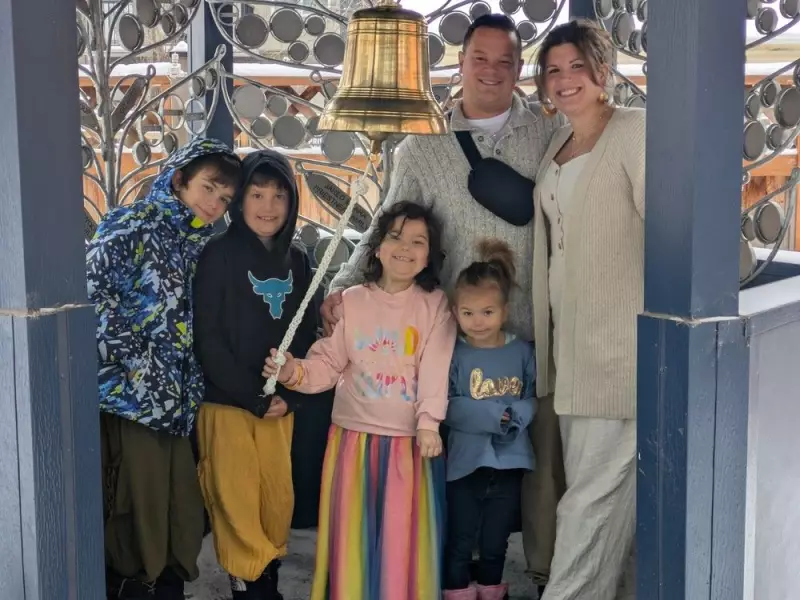
Alberta Health Services (AHS) has quietly ended a cherished tradition for children who have survived cancer: the in-hospital bell-ringing ceremony that marks the end of their treatment. The decision, communicated via letters left in hospital wards, has left families confused and heartbroken.
A Symbol of Hope Silenced
For seven-year-old Myla Dye-Wilson, the bell was a beacon during her 119-day inpatient battle with leukemia at Edmonton's Stollery Children's Hospital. Diagnosed in 2023 at age five, Myla clung to the dream of ringing the large bell, a public celebration signifying her cancer was in remission.
"She would talk all the time about 'when I ring the bell, everybody will clap for me, I get to walk through and be done,'" said her mother, Karemi Dye-Wilson. The ceremony, where staff cheer as a child rings the bell, represented hope, strength, and a victorious new chapter for families enduring the grueling journey of pediatric cancer.

Sudden Change Leaves Families in the Dark
The Dye-Wilson family discovered the tradition was over not through a direct conversation, but by chance. Karemi found a letter from AHS on a side table in the hospital's D-unit in December 2025. The letter stated AHS would "no longer hold in-hospital bell ringing ceremonies."
"If I hadn't seen it lying around, I would have never known," Dye-Wilson said. She reports that some nurses were only informed of the change when they started their shifts, and other families she has spoken with never received the letter at all.
The AHS letter offered a compromise: families could request a smaller bell to take home for a private ceremony. However, Dye-Wilson says her family made multiple requests and has yet to receive a bell.
AHS Cites Patient Safety as Reason
When contacted by Postmedia, AHS spokesperson Kristi Bland acknowledged the change could be upsetting. She stated the decision was made to protect the health and safety of patients who may be immunocompromised.
Hospitals, especially oncology wards, host many patients with severely weakened immune systems. The gathering of people for a bell-ringing ceremony could potentially expose these vulnerable individuals to infections.
Despite the stated safety rationale, the lack of clear, direct communication with affected families has compounded their distress. For Myla and others who fought through years of treatment with the bell as their goal, its quiet disappearance feels like a stolen milestone.