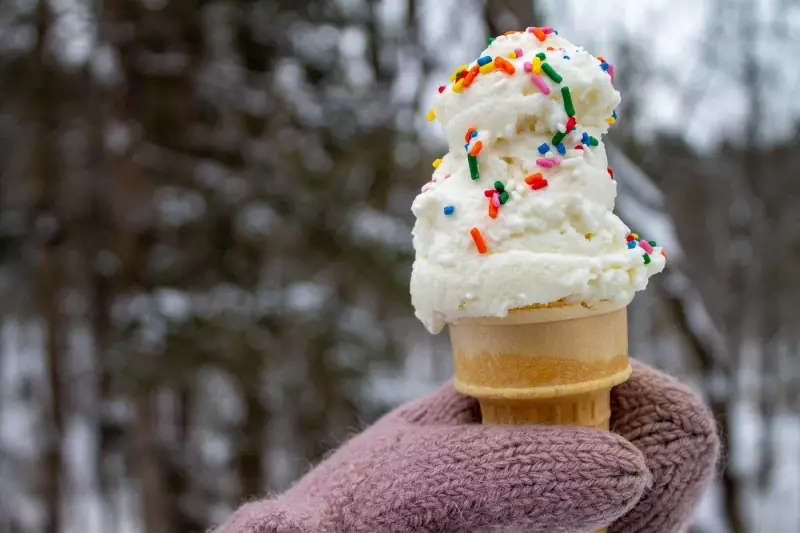
Is Snow Cream Safe? Experts Weigh In on Eating Fresh Snow
As winter deepens across Canada, a nostalgic treat has resurfaced in conversations and social media feeds: snow cream. This simple concoction, made by mixing fresh snow with sweetened condensed milk or other flavorings, evokes childhood memories for many. However, health and environmental experts are urging caution, highlighting potential risks associated with consuming snow.
What Exactly Is Snow Cream?
Snow cream is a traditional winter dessert created by collecting clean, freshly fallen snow and blending it with ingredients like sweetened condensed milk, vanilla extract, or sugar to create a soft, icy treat similar to ice cream or sorbet. It often appears during heavy snowfalls, especially in regions like New Hampshire, where it was recently documented, and in Canadian communities embracing winter activities.
Potential Health Risks of Consuming Snow
While snow might seem pristine, experts warn that it can contain contaminants. Dr. Emily Tran, a food safety specialist based in Toronto, explains, "Snow acts as a natural air filter, trapping pollutants, bacteria, and particles from the atmosphere. In urban or industrial areas, it can absorb chemicals like car exhaust or industrial emissions." Consuming contaminated snow may lead to gastrointestinal issues or exposure to harmful substances.

Additionally, snow on the ground can pick up dirt, animal waste, or debris, making it unsafe for consumption. This is particularly concerning given Canada's diverse climate, from the Arctic environments to urban centers where air quality varies.
Safety Guidelines for Making Snow Cream
If you choose to make snow cream, follow these expert-recommended precautions to minimize risks:
- Use only freshly fallen snow: Collect snow during or immediately after a snowfall, before it has been disturbed.
- Avoid colored or yellow snow: This can indicate contamination from pollutants or animal urine.
- Choose clean collection surfaces: Use bowls or containers placed outdoors, rather than scooping snow directly from the ground.
- Consider location: Snow from rural or less polluted areas is generally safer than from busy city streets.
- Serve immediately: Do not store snow cream, as melting can promote bacterial growth.
Environmental and Climate Considerations
The safety of snow cream is also tied to broader environmental factors. With climate change affecting snowfall patterns and air quality, as seen in recent extreme weather events across Canada, the purity of snow can be inconsistent. Professor Liam Chen, an environmental scientist from Vancouver, notes, "Warmer temperatures and pollution spikes can alter snow composition, making it less suitable for consumption." This is especially relevant in regions experiencing temperature swings, like Southern Alberta.
Alternatives to Traditional Snow Cream
For those seeking a safer winter treat, alternatives include:
- Making ice cream or sorbet using filtered water and traditional freezing methods.
- Using shaved ice from clean, potable water sources for a similar texture.
- Exploring Canadian-made frozen desserts that prioritize food safety standards.
In summary, while snow cream can be a fun, seasonal activity, it carries inherent risks. By following safety guidelines and staying informed about local environmental conditions, Canadians can enjoy winter treats more responsibly. As with any food choice, moderation and awareness are key to safeguarding health during the cold months.