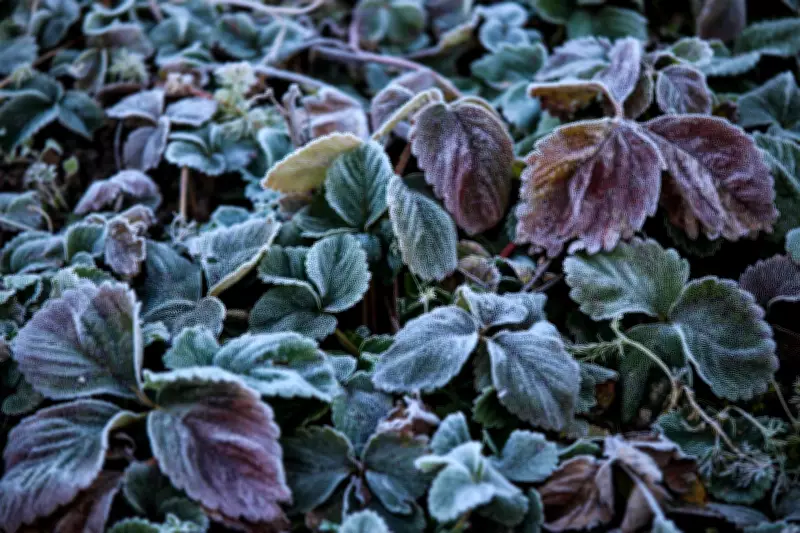
Spring 2026 in Ontario has been unusually cool, even cold. But you and your plants can weather it. Many garden perennials, like strawberry plants, tolerate a light frost surprisingly well, especially with a little help.
Early Planting Advantages
I have been gardening long enough to know that May can frustrate even the most seasoned gardener. It is a bucking bronco of a month, bordering on heat wave one day and flinging snowflakes the next. Earlier this week, there was yet another frost warning in my area. It is almost an article of faith in southern Ontario that you should never plant before Victoria Day. However, I have blithely and successfully broken that rule for years.
I usually start putting in begonias, impatiens, and pansies around the last week of April, and by the middle of May, I am looking for spaces to cram in new perennials I have impulse-bought at the nursery. Early-season planting has real advantages, chief among them giving young plants a head start on the growing season. They will have more time to set a sturdy root system and may even start blooming earlier. Besides, my existing perennials are now well up, so they obviously never got the memo about Victoria Day.

Managing Frost Risk
There is a downside to planting early: the risk of a late May frost. But it need not be a death sentence for your new plants or cause serious concern. As any good farmer will tell you, you just have to keep an eye on the weather. If the temperature is predicted to drop below about 3 or 4 degrees Celsius, whether there is a frost warning or not, that is when you need to spring into action.
First, give everything a good watering, ideally with lukewarm water from a watering can. Then, add a generous layer of mulch around the base of the plants, leaving a gap about one or two inches away from the stems to avoid rot. Once done, take old bedsheets or pillowcases and lightly cover the newly planted bed, being careful not to press the sheets down too tightly on top of the young plants. Secure the edges with stones, bricks, cans of food, or anything that will hold them in place. This prevents the sheets from blowing back and stops cold air from seeping in underneath.
Some gardeners cover their beds in plastic or black garbage bags, but I stopped doing this some time ago. It is not only bad for the environment and looks terrible, but plastic does not breathe, so it can overheat and even smother the plants underneath. Moisture can build up under the plastic as well.
Additional Tips
If you have planters or window boxes, or you have put houseplants outside on your deck for fresh spring air, bring them inside for the night if you can move them. If you cannot, wrap or cover them in bedsheets as well. My sister picked up a technique online years ago that works for small plants and even seedlings: cut a 1.5-litre pop bottle in half and up-end it over the plant. Both halves are usable. The lower half makes a perfect mini-cloche, while you can remove the cap from the upper half to allow for increased air circulation.
The next morning, once the sun is up and the air is beginning to lose its chill, gently remove the sheets and let the sun warm the plants. Unless it has been a really killing frost, several degrees below zero, your green friends should come through just fine. Take heart, as a good stretch of fine spring weather is on the way at last.