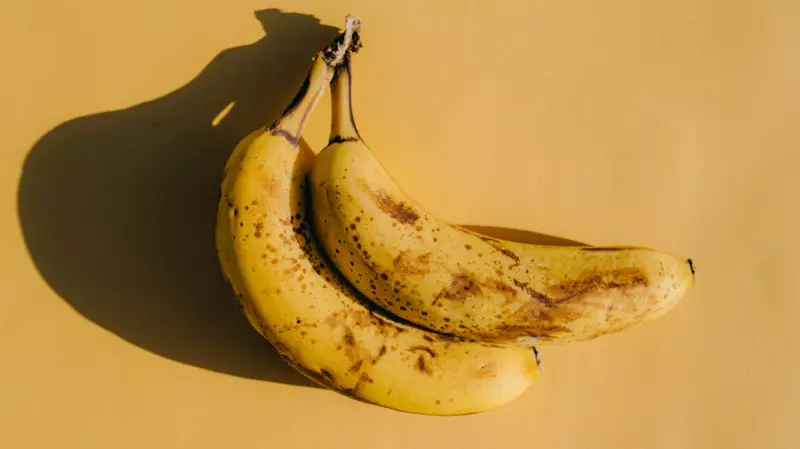
You might grab a banana based on its colour or how soft it feels, but the stage of ripeness you choose can have specific effects on your health. The nutritional profile of a banana—including its levels of sugar, starch, and vitamins—evolves as it matures. This means selecting a banana at the right point of ripeness can be a strategic choice for managing conditions like diabetes or for fueling a workout.
The Science of Ripeness: From Starch to Sugar
Registered dietitians break down the banana's journey from green to brown, explaining what happens inside and who benefits most at each phase. The key transformation is the conversion of resistant starch into simple sugars, which changes how the fruit impacts your digestion, energy, and blood sugar.
Underripe (Green & Firm)
An underripe banana is green, firm, and hard to peel. At this stage, it has the highest amount of resistant starch and the lowest sugar content, according to registered dietitian Avery Zenker. Resistant starch acts like fibre, feeding healthy gut bacteria and promoting stable blood sugar levels because it is digested slowly.

"This level of ripeness is ideal for people who are trying to control blood glucose levels, such as those with insulin resistance as seen with prediabetes, Type 2 diabetes and other metabolic conditions," Zenker said. It can also benefit gut health, which is crucial for managing issues like irritable bowel syndrome.
Dietitian Amanda Sauceda suggests pairing a green banana with peanut butter for added protein and healthy fats to further improve the blood sugar response. However, athletes or those sensitive to resistant starch might avoid this stage due to potential digestive heaviness or discomfort.
Barely Ripe (Mostly Yellow with Green Tips)
This banana is mostly yellow with some green at the ends and is still firm. The conversion from starch to sugar has begun, but it remains high in fibre and relatively low in sugar. Mineral levels like potassium and magnesium are stable.
Zenker recommends this stage for those who want the digestive and blood sugar benefits of a greener banana but prefer a less chalky taste. It's suitable for similar groups: people with insulin resistance, diabetes, or digestive conditions, and may be particularly helpful for peri- or post-menopausal women due to the resistant starch content.
Ripe (Fully Yellow & Soft)
A ripe banana is fully yellow, soft, easy to peel, and sweet-smelling. Here, starches have mostly converted to natural sugars, fibre decreases, and antioxidant content increases. Vitamins and minerals peak.
"One banana has 8% of your daily value for potassium, which is a mineral many people don’t get enough of," Sauceda noted, highlighting its importance for blood pressure and muscle function. It also provides 8% of the daily value for magnesium.
This stage is excellent for a pre-workout energy boost, increasing potassium intake for cardiovascular health, or as an easy, nutritious snack for children. It offers a good balance of fibre without the digestive concerns of higher resistant starch.
Very Ripe & Overripe (Brown Spots to Black)
Very ripe bananas have brown spots and a strong aroma, with sugar content near its peak and fibre continuing to decrease. They are great for quick energy, sensitive digestion, or low appetite. However, their higher sugar means individuals managing blood sugar should be cautious.
Overripe bananas are brown or black, mushy, and highest in sugar and antioxidants while lowest in fibre. They are losing vitamin C (dropping from 14mg to 10mg) but maintain potassium, and Sauceda points out they have slightly more folate.
"This stage is best for baking and freezing (banana bread, cookies, smoothies) rather than as a raw snack," Zenker advised. It's gentle on digestion and good for fast calories but not ideal for those seeking fibre or managing diabetes. Sauceda adds that using an overripe banana in a smoothie means you can use less fruit, reducing added sugars.

The Bottom Line: A Nutritious Choice at Any Stage
While the ripeness level can tailor a banana to specific health goals, dietitians emphasize that bananas are a healthy choice overall. "Overall, bananas are a great fruit whether you eat them green or ripe," Sauceda concluded. The next time you're at the grocery store, you might consider more than just taste or colour—your health objectives could guide you to pick the perfect banana.