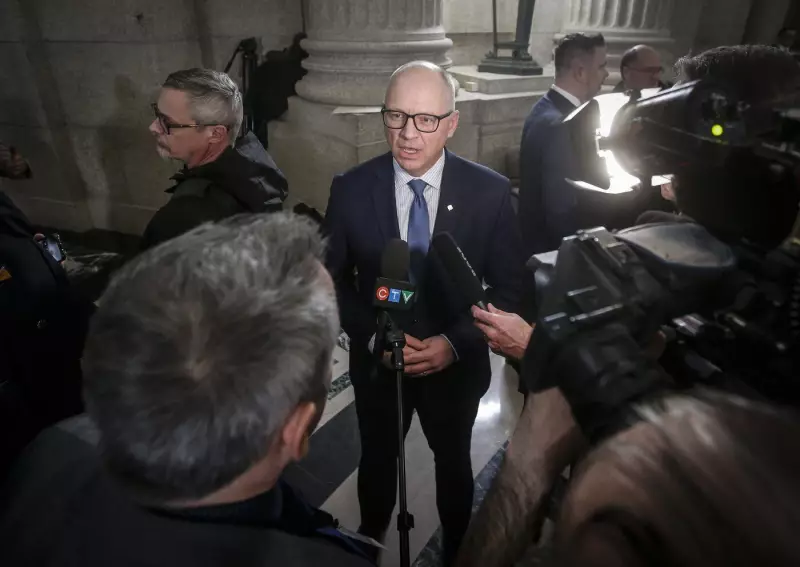
Winnipeg Mayor Scott Gillingham is championing a significant shift in how the city responds to emergencies, with a firm plan to establish a dedicated fourth service for mental health crises. This initiative, announced on December 3, 2025, aims to provide a specialized, compassionate alternative to traditional police or paramedic responses for individuals experiencing a mental health emergency.
A New Model for Emergency Response
The proposed mental health crisis response team would operate as a distinct branch within Winnipeg's emergency services framework. The core idea is to deploy teams specifically trained in de-escalation, trauma-informed care, and mental health first aid to calls where a person's psychological or emotional distress is the primary concern. This model seeks to free up police and fire-paramedic resources for other emergencies while ensuring those in crisis receive help from professionals best equipped to understand their needs.
Mayor Scott Gillingham has positioned this as a critical step toward modernizing the city's public safety net. The plan underscores a growing recognition across Canadian municipalities that a one-size-fits-all approach to emergency response is insufficient for addressing complex mental health and addiction-related situations.

Details and Implementation Goals
While specific operational details, funding models, and staffing plans are still in development, the mayor's office has confirmed the initiative is a top priority. The team would likely consist of mental health nurses, social workers, peer support specialists, and other trained professionals. The goal is to create a service that can respond swiftly, assess situations holistically, and connect individuals with appropriate community-based care and resources, rather than defaulting to emergency rooms or the justice system.
The announcement on December 3, 2025, signals the start of a broader consultation and planning phase. The city will need to collaborate closely with the provincial government, health authorities, and community organizations to turn the proposal into a functioning service. This move follows similar pilot projects and established teams in other Canadian cities, which have shown promising results in improving outcomes and reducing harm.
Potential Impact and Next Steps
If successfully implemented, Winnipeg's dedicated mental health crisis response team could have a profound impact. It promises to provide more appropriate care for vulnerable residents, reduce the strain on other emergency services, and potentially decrease the number of negative interactions between police and individuals in crisis. The initiative reflects a broader public health approach to community safety.
The path forward will involve securing necessary approvals and funding. Mayor Gillingham's push for this service indicates it will be a central piece of his agenda as the city works to build a more responsive and compassionate system for all its residents.