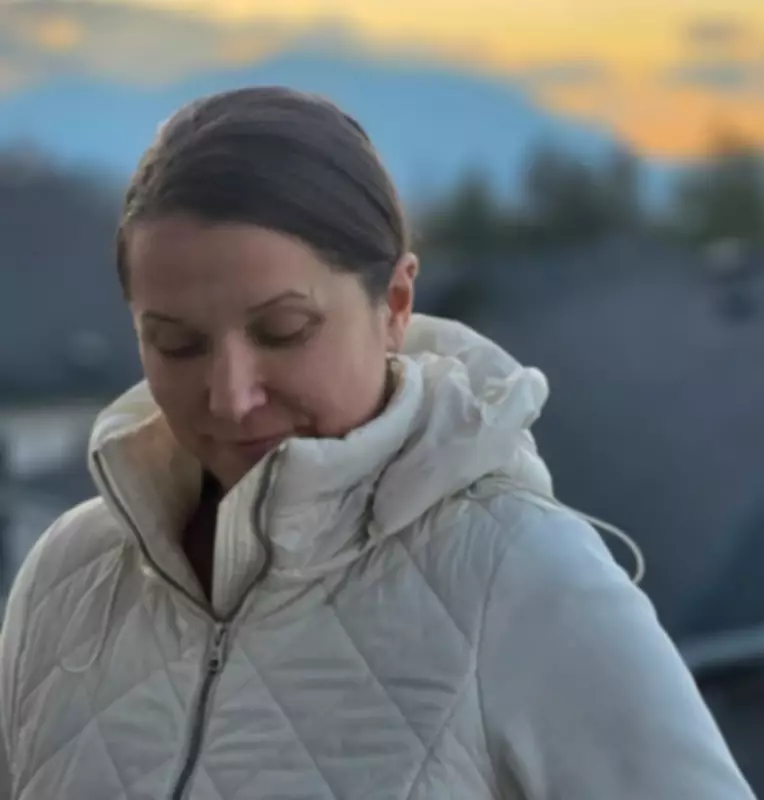
Five years after a devastating house fire in Toronto's east end claimed the lives of her young son, mother, and two close friends, Arija Jansons is courageously sharing her profound journey of healing and recovery. The Toronto native, who grew up in the very neighborhood where the tragedy unfolded, describes the past half-decade as a complex path through unimaginable grief toward gradual restoration.
A Tragedy That Changed Everything
The fire, which occurred in 2021, completely upended Jansons' world in moments. Losing multiple loved ones simultaneously created a unique and overwhelming form of trauma that required years of dedicated therapeutic work to process. "When you lose your child, your parent, and your friends all at once, it feels like your entire foundation has been ripped away," Jansons explains. The emotional aftermath included severe post-traumatic stress, depression, and the daunting task of rebuilding a life from ashes.
The Long Road to Recovery
Jansons' healing journey has involved multiple approaches to mental health support. She credits a combination of professional counseling, support groups for bereaved parents, and creative outlets like journaling and art therapy with helping her navigate the darkest periods. "Healing isn't linear," she emphasizes. "Some days I feel strong, and other days the grief washes over me like it happened yesterday. But I've learned to honor all those feelings."

Community support proved crucial in her recovery process. Neighbors, fellow Toronto residents, and even strangers who heard her story reached out with compassion that Jansons says helped counteract the isolation that often accompanies profound loss. She has since become an advocate for mental health resources, particularly for those experiencing compound bereavement.
Finding Purpose in Pain
Today, Jansons channels her experience into helping others facing similar tragedies. She volunteers with fire safety organizations and grief support networks, sharing practical wisdom about navigating loss while honoring loved ones' memories. Her story underscores the importance of accessible mental health services for trauma survivors, especially in urban communities where such tragedies can occur.
Looking forward, Jansons acknowledges that while the pain of her losses will always be part of her, she has discovered resilience she never knew she possessed. "I carry my son, my mom, and my friends with me every day," she reflects. "Their love continues to shape who I am and how I move through the world, even in their physical absence."
Her message to others experiencing profound loss is one of hope tempered with realism: healing takes time, professional help is invaluable, and small moments of peace eventually become possible even amid enduring sorrow.