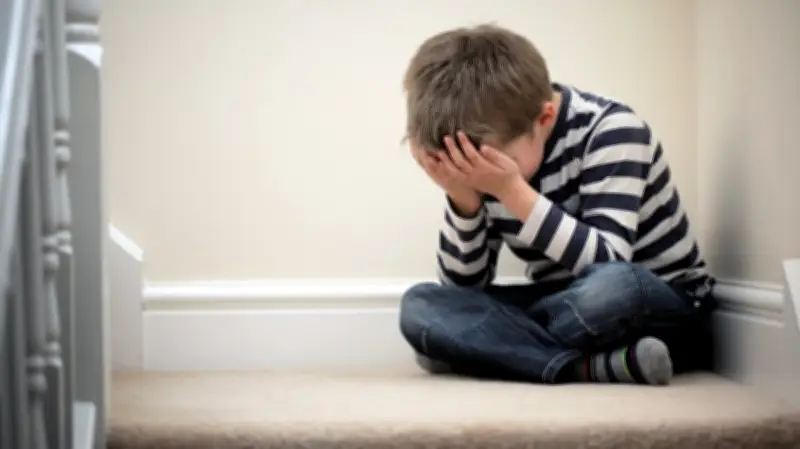
Five years ago, when I discovered I was having my first son, I felt immense joy and excitement, quickly followed by anxiety about anger. Another school shooting had just occurred, accompanied by headlines linking boys, guns, and rage. I understood the roots of such violence are deeply complex, and I am surrounded by loving, empathetic men. Yet, as a hormonal soon-to-be first-time mom (likely grappling with perinatal anxiety), I worried about raising an angry young man. I was not alone. Concerns about boys and anger are widespread, as comedian and writer Michael Ian Black captured in his viral 2018 New York Times opinion piece “The Boys Are Not All Right.” He wrote, “The man who feels lost but wishes to preserve his fully masculine self has only two choices: withdrawal or rage.” The article garnered over 2,100 comments, striking a chord with many.
Now, after years of watching my boys’ beautiful, complex personalities unfold, those pregnancy fears seem distant and reductive. Of course, they do not inherently struggle with anger simply because they are boys. Yet they do lash out—sometimes in frustration, sometimes when asked to do something they dislike. My goal is to help them navigate that anger, so they can experience the feeling without being overwhelmed by it.
Understanding Anger in Boys
“Parents need to give their children the tools to understand their feelings, and it needs to be developed just like understanding other complicated and abstract concepts,” said Steven Meyers, a professor of psychology at Roosevelt University in Chicago. Anger is fundamentally a response to a perceived threat. The body releases adrenaline, heart rate and blood pressure rise. Feeling angry is absolutely fine—and sometimes positive. Problems arise only when anger is not managed healthily.

Gender Differences in Expressing Anger
While individual nuances abound, experts note broad distinctions. “Psychologists have a saying that boys externalize and girls internalize,” Meyers explained. “Boys are more likely to direct anger outward as verbal or physical aggression, while girls tend to direct it inward, leading to self-blame or depression. This is a simplification, but gender differences in rates of these disorders exist.”
Practical Tips for Parents
Label Feelings
“The first step to stress and anger management is helping your child identify what’s going on and empathizing with it,” said Kelsey Torgerson Dunn, a social worker specializing in anxiety and anger management for children and teens. Young kids often don’t recognize their emotions. Labeling feelings is crucial. For younger children, explicitly describe their emotions: “Your body looks like it’s feeling frustrated,” or “It seems you’re angry because I said no.” Even if you’re wrong, you prompt them to identify their internal state. For older kids and teens, try: “If I were in this situation, I’d probably feel pretty mad. Walk me through what’s going on for you.”
Be Soothing
While parents might react by walking away (strategic ignoring can help diffuse tantrums), soothing is often beneficial. “Anger can overwhelm young children. They may not have the ability to calm themselves down,” Meyers said. “Soothing and comforting an angry child may require a shift in the parent’s mindset.” Be patient and calm, making clear you’re not stifling their anger—especially important for boys historically taught to bottle up emotions. The goal is to help them self-soothe through deep breaths, walking away, or taking a moment to calm down. By modeling calmness, you teach compassion for oneself and others.
Provide Consequences
Being soothing doesn’t mean being permissive. “Consequences are needed when anger spills into aggression, especially as boys get older,” Meyers said. “One sentence I often use: ‘You can feel whatever you want to feel, but you can’t always do whatever you want to do.’” Consequences vary by age, circumstances, and personality—brief time-outs or loss of privileges can teach the difference between emotions and behaviors. Plan consequences in advance to avoid random threats. Remember, it’s okay to feel angry and express it, but not to act aggressively.

When to Seek Help
“Psychologists use frequency, duration, intensity, and age-appropriateness to assess whether a behavior is a symptom of a disorder,” Meyers said. If your son struggles with anger daily, it may signal something more serious. Dunn advises considering if behaviors like aggression occur across settings (home and school), indicating a general response to anger rather than situational. If concerned, start with your child’s pediatrician and check with teachers. “Parents don’t always know what’s underneath their sons’ anger—stress, anxiety, or depression,” Dunn said. “It’s important to find out.”