Quebec Muslims Face Worsening Mental Health Crisis Nine Years After Mosque Attack
On the ninth anniversary of the Quebec City mosque shooting that claimed six lives and injured nineteen, a prominent psychiatrist delivers a sobering assessment: Muslim communities in Quebec are not better off than they were before the tragedy.
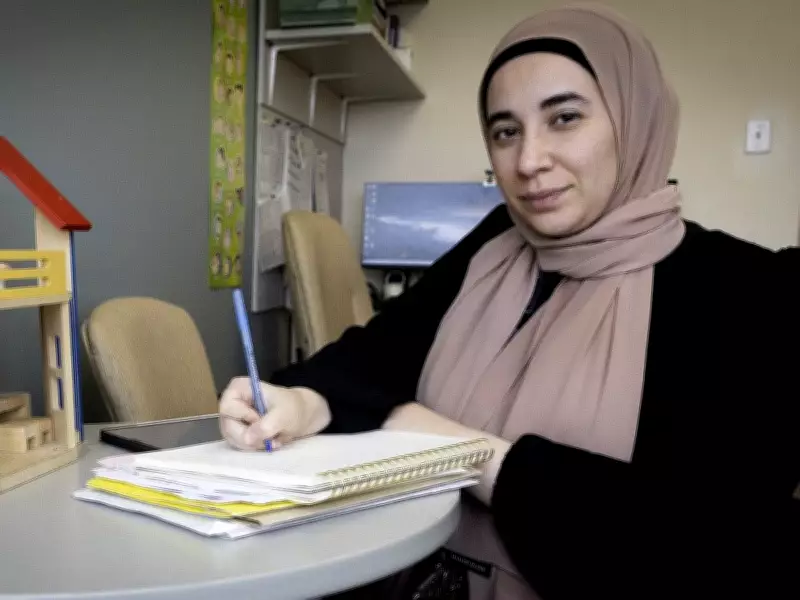
Dr. Salam El-Majzoub, a child and adolescent psychiatrist at Montreal's Jewish General Hospital and associate professor at McGill University, reflects on how Islamophobia continues to impact mental health with increasing severity.
The Cumulative Trauma of Persistent Islamophobia
"We're not better off in terms of Muslim rights or hate crimes against Muslims," El-Majzoub states bluntly. "Internationally, there is an increase in far-right movements, ultra-conservatism and extremist, ideological sentiments. Everything is becoming harder."

The psychiatrist emphasizes that trauma isn't limited to single violent events but accumulates over time through ongoing discrimination and exclusion. She points to Quebec's political landscape, where legislation like Bill 21 and Bill 96 has created what she describes as a climate where "people can't catch a break."
Unique Challenges in Quebec's Political Climate
"I do think Islamophobia in Quebec is different," El-Majzoub observes. "When it increases, it is not just in relation to violent acts and hate; there are the public debates about Muslim identity and practices."
She references research conducted around the time of the Charter of Values in 2014, noting that subsequent legislation and controversies over religious symbols, halal food, and public prayers have created sustained pressure on Muslim communities.
"Politicians set the tone for how society thinks and behaves toward certain groups," she explains. "The current climate is not very positive for Muslims' feeling of community and considering their future here."
Barriers to Mental Health Support
El-Majzoub identifies a troubling paradox: while psychological distress among Muslims has increased, barriers to seeking help have simultaneously grown.
"Not only is there more distress, there are more barriers to seeking help," she says. "The impact is not just psychological. It affects your identity, where you're going in life. Can you have access to employment? Do you need to change yourself, your name, your Muslim-ness to fit in?"
These identity pressures particularly affect young people during their formative years, potentially damaging self-esteem and sense of belonging in ways that psychiatric labels cannot fully capture.
Youth at Risk in Hostile Climate
As a specialist in child and adolescent psychiatry, El-Majzoub expresses particular concern about how Islamophobia affects young Muslims.
"Psychological distress can be a double-edged sword for youth," she explains. "It puts the problem on them, without necessarily addressing systemic issues. It's legitimate for them to be angry at the system."
She warns that anger combined with isolation and discrimination can create significant risks, while noting that channeling frustration into advocacy and mobilization could have positive outcomes if properly supported.
Academic Institutions' Responsibility
El-Majzoub calls on universities to create spaces for difficult conversations about Islamophobia and minority rights.
"Universities have been grappling in recent years between issues of freedom of expression and hate speech," she notes. "We cannot be apolitical in these spaces except if we want to be complicit and silent."
She questions how academic institutions can better support student advocacy and allow young people to express their rights without pathologizing their legitimate distress about systemic discrimination.
Commemoration and Call to Action
To mark the anniversary, El-Majzoub will deliver a lecture at McGill University examining the impacts of Islamophobia on Muslim mental health. The event represents both commemoration and a call for societal change.
Reflecting on the significance of remembering the Quebec City mosque shooting, El-Majzoub emphasizes that "these things happen not in a silo but in a certain climate. And that we need to do better to prevent it from happening again."

Her assessment serves as a stark reminder that nine years after one of Canada's deadliest attacks on a Muslim community, the psychological wounds continue to deepen amid what she describes as worsening conditions for Quebec's Muslim population.