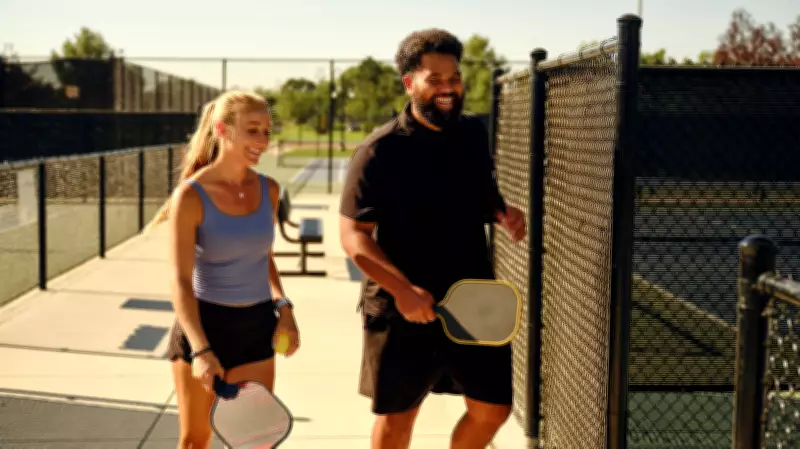
By now, you have likely encountered numerous headlines labeling pickleball as the fastest-growing sport in the country. Courts, clubs, and leagues have emerged nationwide, with nearly 50 million people—19% of Americans—picking up a paddle last year, according to the Association of Pickleball Professionals.
Enthusiasts cite many reasons for its surge: it is fun, competitive, and a great way to make friends. Crucially, it is inclusive, welcoming participants of all ages and skill levels. Yet perhaps the most compelling benefit is its positive impact on mental health.
Pickleball as a Mood Booster
A new report from Apple analyzed health data from Apple Watch users who opted into the study. It revealed that playing pickleball provides an impressive workout, boosting cardiovascular and metabolic health, and is associated with lower rates of self-reported depression. Frequent pickleball players reported depressive symptoms 60% lower than the general study group. In essence, racket sports engage both body and mind, making them among the healthiest physical activities.

Dr. Calum MacRae, principal investigator and cardiologist at Harvard Medical School, explained that the sport affects hormones, neuromuscular coordination, and resilience. When engaging in aerobic activity like pickleball, the body releases endorphins, which relieve pain, reduce stress, and enhance well-being. Additionally, pickleball is an efficient way to meet the recommended 150 minutes of moderate-intensity weekly exercise. Games average 90 minutes, covering over half that requirement in one session.
The sport also fosters social connections. Joining leagues builds community and belonging. Emily Hemendinger, assistant professor of psychiatry at the University of Colorado Anschutz Medical Campus, noted that humans thrive on connection, and pickleball bonds people through an activity that physically feels good. It also provides purpose and fulfillment, as players work toward goals like winning, improving skills, or meeting people.
Sharpening the Mind
Playing outdoors increases exposure to natural daylight, improving sleep quality, activity levels, and overall quality of life. The game demands attention, quick thinking, and strategy, promoting cognitive functioning and potentially preventing decline. Studies indicate that racket sports can enhance memory and processing speed. Hemendinger emphasized that mindful movement with others reduces stress and anxiety.
Getting Started with Pickleball
Physical therapist Landon Uetz noted that the pickleball community welcomes newcomers. Watching online videos helps understand basic rules, and lessons can ease hesitation. Warming up with dynamic stretches or light jogging is essential to increase circulation and reduce injury risk. Those with injuries should consult a healthcare provider for modifications.
Moderation is key. Listening to the body and gradually increasing activity prevents exhaustion or injury. Even short sessions of 15 to 30 minutes offer mental health benefits. Hemendinger concluded that moving the body mindfully and resetting the nervous system is a reliable stress reliever and coping skill.