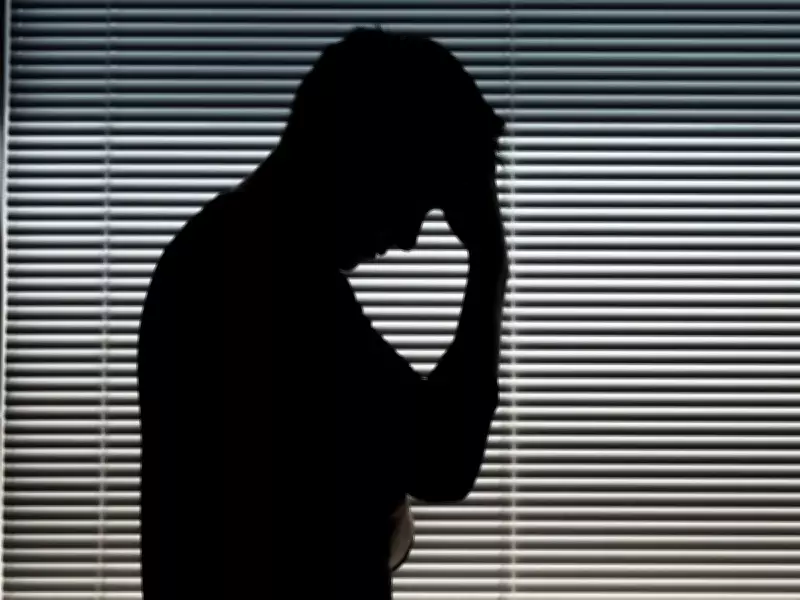
Approximately 13 percent of Canadian men report often or always feeling lonely, with another 34 percent experiencing loneliness sometimes, writes Scott Lear. This trend is concerning as men face suicide rates three to four times higher than women, and middle-aged men have the highest suicide rate of any age group in Canada. This is believed to be due, in part, to men not feeling comfortable expressing their feelings when under emotional stress and, as a result, not seeking help.
Childhood Lessons and Emotional Suppression
In childhood, boys learn that showing emotions and seeking help is a sign of weakness. Emotions such as hurt, sadness, disappointment, fear, and shame are kept inside. As men, we are likely to hide our emotions out of fear of being told to 'man up' or other derogatory messages. In contrast, anger is one of the few emotions that is socially acceptable for men to express. Anger is a powerful emotion, often one of action, and can therefore feel safe. This results in men losing their connection with their feelings and having a hard time recognizing them.
Social Networks and Isolation
Men also have smaller social networks than women and do not tap into their male relationships for support the way women do. Groups of men may gather for a drink and watch a game, but conversations tend to be superficial, as opposed to sharing experiences and how one feels. Comedian Trevor Noah has coined this 'the third thing,' in that men need a reason to get together beyond just talking. Indeed, men report having a hard time opening up to people around them about their problems.

This contributes to social isolation and loneliness. Social isolation is the lack of social contacts and relationships, while loneliness is the feeling of being alone and disconnected. One can have many people around them and still feel lonely if they don't have close connections or a sense of belonging.
Health Impacts of Loneliness
Loneliness and social isolation are associated with a greater likelihood of depression and anxiety and can result in a shorter lifespan. Men who experience social isolation are nearly 70 percent more likely to experience early death. Both loneliness and social isolation are also associated with substance abuse, as well as greater risk for various diseases, self-harm, and suicide.
Because of the lack of social connectedness with others, men often look to their female partners to fill that gap, a role that can be burdensome to women as it creates less space for their own emotional needs. Divorced men have higher death rates than married men.
Steps Toward Change
Given this, it is important for men to socialize with each other and have meaningful conversations. Men also need to understand it is OK to reach out for help and for other men to be supportive of those who do. There are more support groups for men now than in years past, which can provide connection for men who are hesitant to talk to family and friends.
We also need to raise our boys to recognize and express their emotions, as well as understand the difference between healthy and unhealthy ways for expressing them. Finally, we need better health services for all people with mental illness—services that are on par with how we treat cancer and heart disease, given that more people will experience mental illness than either of these two diseases. With May being Mental Health Awareness Month, it is a reminder of the work we still have to do.
If you or someone you know needs help, you can reach out to Real Talk (for resources and programs for men), Here to Help (a blog on men's mental health), or contact the Crisis Intervention and Suicide Prevention Centre of B.C. at 1-800-SUICIDE (784-2433).
Scott Lear is a professor in the Faculty of Health Sciences at Simon Fraser University.