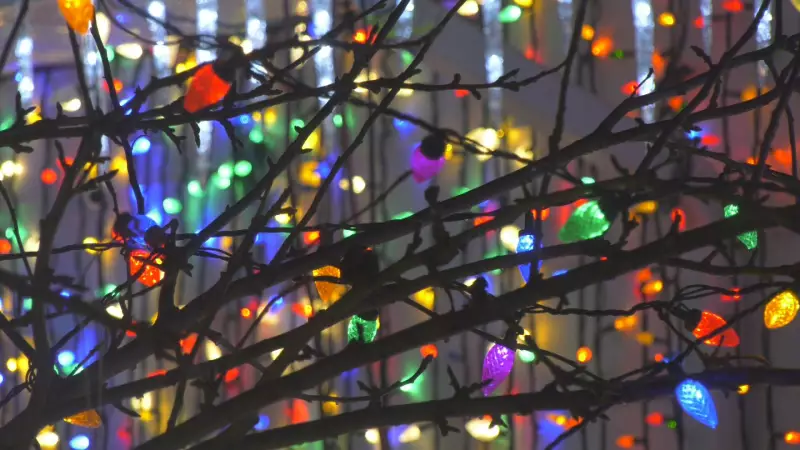
As festive lights twinkle and seasonal music fills the air, there's a scientific reason why this time of year feels uniquely "sparkly" to our minds. Best-selling author and neuroscientist Sarah Baldeo recently shared insights into the fascinating neurological dance that happens during the holidays, explaining why our brains are wired to love this season and offering practical advice to combat the stress that can accompany it.
The Neuroscience of Holiday Cheer
According to Baldeo, the holiday season triggers a complex cascade of neurochemical reactions. The familiar sights, sounds, and smells associated with December festivities can activate the brain's reward system, releasing feel-good chemicals like dopamine. This creates a sense of anticipation and pleasure that is deeply rooted in both memory and tradition. The brain essentially associates these sensory cues with positive past experiences, family connections, and a break from routine, amplifying the emotional response.
This neurological priming is what creates the characteristic "sparkly" feeling many people describe. However, Baldeo notes that the same mechanisms can also be a double-edged sword. The heightened expectations and social pressures of the season can activate the brain's stress pathways, leading to what many term "holiday anxiety."

Hijacking Holiday Stress with Science
Baldeo doesn't just diagnose the problem; she provides science-backed strategies to "hijack" this anxiety. Her tips focus on consciously redirecting the brain's responses. One key method involves mindfulness and grounding techniques to calm the amygdala, the brain's fear center, when feelings of being overwhelmed arise. Another is to intentionally create new, positive sensory associations to build resilience against stress triggers.
She emphasizes the importance of managing expectations—both our own and those we perceive from others. By setting realistic goals for gatherings, gift-giving, and activities, we can reduce the cognitive load on our prefrontal cortex, which is responsible for planning and decision-making. This allows for more mental space to actually enjoy the moments of connection and celebration.
A Balanced Approach to the Festive Season
The core of Baldeo's message is one of awareness and balance. Understanding that the brain's intense reaction to the holidays is normal can be the first step in managing it. Instead of fighting the whirlwind of emotions, she suggests acknowledging them and using simple neurological hacks to steer towards calm.
This might include scheduling short breaks during busy days to allow the nervous system to reset, prioritizing sleep to aid emotional regulation, and practicing gratitude to actively engage brain regions linked to contentment. By applying these neuroscientific principles, individuals can work with their brain's natural wiring to cultivate more joy and less worry during the "sparkly" season.