Understanding Headache Severity: When Ordinary Pain Becomes a Medical Emergency
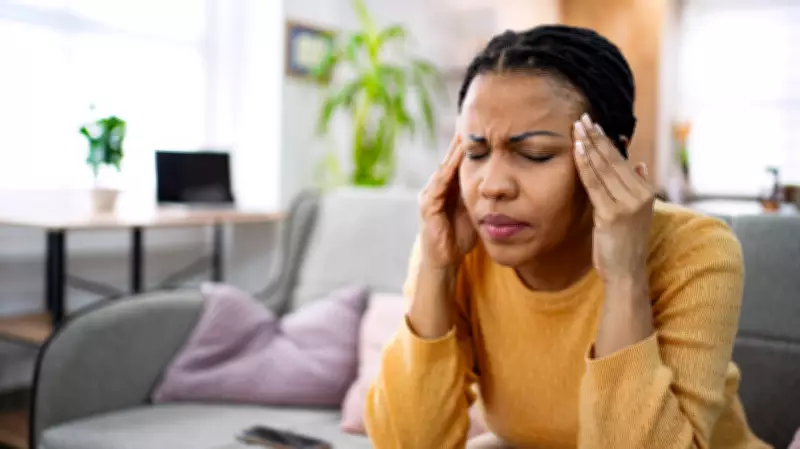
More than 39 million individuals across the United States currently live with migraines or other severe headache disorders, while countless others experience occasional head pain that disrupts daily life. This widespread prevalence raises an important question: when does typical headache discomfort cross into territory requiring urgent medical intervention?
Distinguishing Between Common Headaches and Emergency Situations
Raj Punjabi-Johnson and Noah Michelson, hosts of HuffPost's "Am I Doing It Wrong?" podcast, recently explored this critical distinction with Dr. Christopher H. Gottschalk, a Yale University professor and practicing physician who established the institution's inaugural headache medicine program. Their conversation provided essential guidance for headache sufferers.
During the discussion, Michelson presented a question from listener Caroline, who expressed fear about brain aneurysms following a tragic personal experience. "She said, 'I became terrified of brain aneurysms after a friend's mom died after complaining of a headache one day. When should we be worried about a headache? Are there any symptoms or situations that would make you say, go see a doctor ASAP?'"

Critical Warning Signs That Demand Immediate Attention
Dr. Gottschalk offered clear, potentially life-saving advice: "If you suddenly get the worst headache of your life, especially if it's something that went from zero to 60 in a minute or two, yeah, you should call an ambulance because there's a chance that that's something like an aneurysm."
He emphasized that a "sudden, severe, explosive headache that makes you miserable and sensitive to light and noise" requires prompt medical investigation. However, he provided important context for different age groups and headache patterns.
For individuals in their 20s through 50s experiencing more typical headache sensations, migraines represent the most probable explanation. The situation changes significantly for older adults. "A person who starts to get headaches for the first time in their life when they're 60 and they're having trouble walking, yeah, it's probably not a migraine — that deserves some evaluation," Gottschalk explained.
Prevention Strategies and Lifestyle Considerations
Beyond recognizing emergency symptoms, many wonder about preventing headaches altogether or reducing their frequency. The Yale Headache & Facial Pain Center actively researches this area, with Gottschalk noting that maintaining optimal health through quality sleep, balanced nutrition, regular physical activity, social connection, and mindfulness practices typically improves quality of life and may prevent existing conditions from worsening.
However, he firmly rejected the notion that headaches represent personal failure. "A healthy lifestyle is only going to help you, but the flip side of that is what we're trying to get away from, which is it is not true that people get headaches because they're not taking care of themselves," Gottschalk stated. "That's just blaming the victim."
He continued, emphasizing the need to reframe this perspective: "We need to figure out how to say that in a way that says, 'Sure take good care of yourself — it's good for anything that ails you — but you don't have this problem because you aren't living right.' That [notion] needs to go away."
Accessing Comprehensive Headache Information
For those seeking deeper understanding of headache management and prevention, the complete podcast episode offers extensive insights from Dr. Gottschalk's clinical expertise and research experience. The discussion forms part of the podcast's third season, which follows previous investigations into diverse practical topics including tipping etiquette, credit card debt management, online dating strategies, anxiety reduction techniques, dental care practices, and travel accommodation secrets.
Listeners can access the full conversation through major podcast platforms or view the episode on YouTube. Individuals with specific questions about headache management or other practical concerns can contact the podcast team directly for potential inclusion in future programming.