A New Awakening for Some, a Familiar Reality for Others
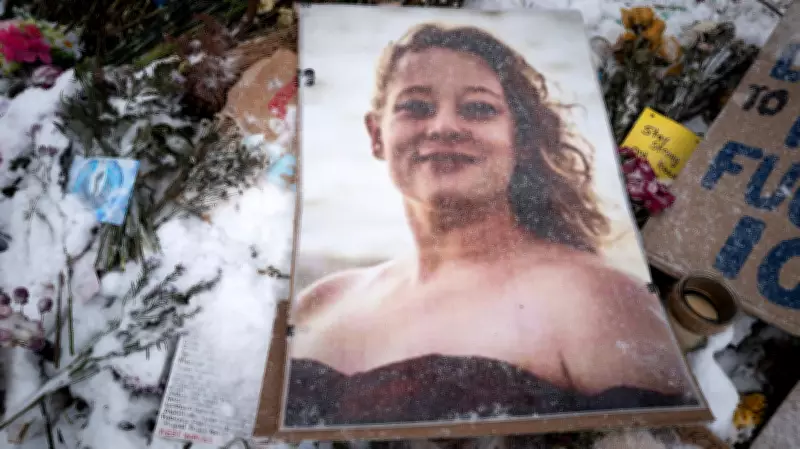
Snow gently blankets a memorial to Renee Good in Minneapolis, Minnesota, a poignant scene captured on February 1. For many Americans, the killings of Renee Good and Alex Pretti at the hands of federal immigration officials are fostering a newfound empathy for victims of state-sanctioned violence. As reflected in recent Saturday Night Live sketches, Washington Post illustrations, and everyday conversations, some individuals are just discovering that such deaths are possible—or that they could affect people who resemble them. This realization that authorities can harm those they are meant to protect represents a profound awakening.
However, for those who share my identity, this ugly truth is already well-known. We have endured this moment repeatedly throughout history. If you chanted George Floyd's name at protests after his murder in May 2020 or watched the harrowing 2016 video of Philando Castile dying during a traffic stop, you have glimpsed the struggles the Minneapolis area has faced for over a decade. Yet, long before these police killings, communities of color nationwide have grappled with aggressive policing and repressive policies for generations.
That is why many of us warned America about the likely consequences of electing a self-proclaimed dictator. From early lighthearted jokes targeting thugs to policies enforcing family separations and sexism, the warning signs were clear and unmistakable.

Strategies for Coping, Mourning, and Resistance
As a licensed clinical and community psychologist and researcher, I have observed the psychological warfare impacting our country over the past year. It is crucial to share the wisdom Black Americans have cultivated through centuries of oppression, offering tools to preserve mental well-being, physical health, and inner peace.
Scientific and community-backed strategies can help process the disbelief, denial, and distress that may be emerging for the first time.

- Avoid Watching the Videos: Millions have viewed footage of the violent deaths of Renee Good and Alex Pretti. Do not watch or rewatch these videos. This is not about avoidance but protecting your mental health. Research indicates that exposure to such content can increase anxiety and trauma, which does not bring back the victims. After Tyre Nichols' killing in Memphis, his family and authorities released the video, but nothing is gained from witnessing such brutality. Instead, his family shared videos of him experiencing joy and being a devoted father, encouraging viewers to focus on those moments. Protect your peace by rejecting the normalization of violence.
- Engage in Protest: When the state uses force to suppress dissent, it aims to silence voices and stifle activism. This is evident in incidents like the arrest of journalist Don Lemon for covering an ICE demonstration. Protest anyway. Protesting is not solely about outcomes but the process itself. Psychological studies show that purposeful actions enhance efficacy, empowerment, and collective solidarity. Even if it seems difficult, time-consuming, or risky, know that it is vital for societal change and personal growth.
- Sustain Long-Term Activism: Understanding how collective resistance can withstand repressive forces and alter policies is essential, especially during challenging times. For instance, the Border Patrol commander overseeing immigration enforcement in Minneapolis has been replaced, and street agents are being scaled back. Our collective outrage, demonstrated online and in person—even in freezing temperatures—is making a difference. This impact extends beyond these two unjustified murders to benefit all Americans, regardless of appearance.
A Turning Point for Collective Action
To those newly confronting this reality: welcome. Waking up to this new world can be traumatizing, but it also offers a transformative opportunity for personal and communal change. In my Human Behavior and Social Environment class, students explore turning points that reshape identity and perspective. How will you see yourself after recent events? How can you care for yourself during deep distress and communal mourning? Acknowledge that these moments have long affected many communities pleading for visibility.
This turning point—the realization that government overreach threatens everyone—teaches the importance of committed action and mutual care. White Americans, often living in homogenous communities, may struggle to empathize with realities outside their experience. Yet, we have all witnessed police violence recently, showing that privilege no longer guarantees safety. This moment demands reflection on how to protect ourselves psychologically and physically moving forward.
To the young people leading protests with signs denouncing injustice: keep guiding, educating, and applying pressure. For those finding their role, remember this lesson: if violence is normalized against any group, it will eventually reach you, too. Change requires protecting everyone. As we honor those lost recently, let us also pay homage to generations who have suffered in this ongoing struggle.
Dr. Riana Elyse Anderson is a licensed clinical and community psychologist, an associate professor at Columbia University's School of Social Work, and an affiliate with Harvard's Hutchins Center for African & African American Research and FXB Center for Health and Human Rights. She is a Public Voices Fellow of The OpEd Project in partnership with the National Black Child Development Institute.