The Personal Toll of Conversion Therapy: A Therapist's Perspective
On a bright spring day in California in 2015, I was chatting with my nephew, Isaiah, when he leaned in and shared a troubling statement from his therapist: "My therapist said faith can straighten what nature bent." We both laughed, not because conversion therapy is humorous, but as a way to cope with a desperate situation. As a trauma therapist myself, I found his treatment deeply disturbing, knowing the harm such practices inflict.
Supreme Court Ruling Sparks Concern
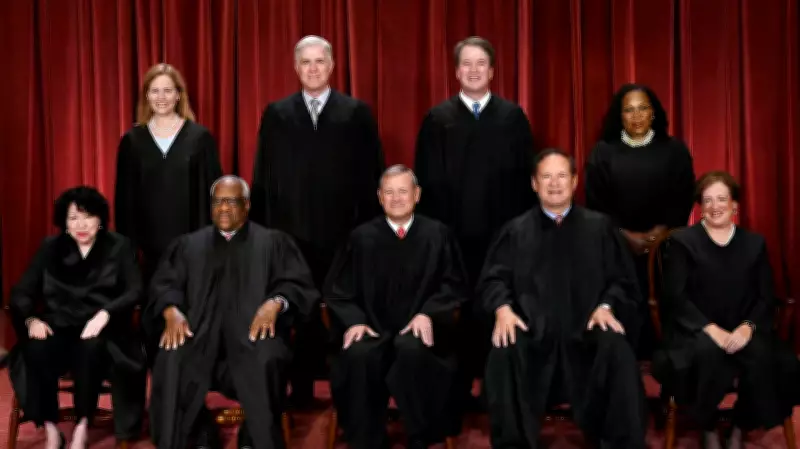
This week, the United States Supreme Court issued an 8–1 decision striking down a Colorado state law that banned conversion therapy. The justices ruled that such bans violate the First Amendment, with Justice Ketanji Brown Jackson dissenting. She argued that the decision "threatens to impair States’ ability to regulate the provision of medical care in any respect." However, the core issue is not free speech but the medical harm caused by conversion therapy, which attempts to change a person's sexual orientation, gender identity, or gender expression, falsely claiming to make LGBTQ+ individuals heterosexual or cisgender.
As a licensed marriage and family therapist, I have witnessed firsthand the profound damage this fraudulent practice causes. Clients often experience trauma, shame, depression, and increased suicidality. I advised Isaiah against it, explaining that this so-called "cure" is considered abusive and unacceptable in the professional community, threatening the lives of countless LGBTQ+ youth.

Medical Consensus on Harm
Major medical organizations, including the American Psychological Association, have declared "sexual orientation change efforts" harmful. Every leading medical and mental health group rejects conversion therapy because it causes measurable psychological damage. The American Medical Association abandoned it in 1994, and experts agree it is extremely dangerous. A 2020 report by the Williams Institute found that LGB individuals who undergo conversion therapy are almost twice as likely to attempt suicide compared to those who do not. This adds to the already alarming rates of attempted suicide (12%) or suicidal ideation (39%) among LGBTQ youth.
Isaiah's Traumatic Experience
My fears were well-founded. Isaiah was scarred by the treatment, and when he recently shared his ordeal, he described it as terrifying. "It was so scary. They didn’t allow parents. I had to go in there alone and sit in front of a man I didn’t know," he recalled. The therapist's questions came "rapid fire and full of judgment," leading to memory gaps due to isolation and disassociation—common side effects of such trauma.
Isaiah remembers being asked, "Do you have thoughts of a sexual nature toward men?" Confused about how to answer, he initially told the truth, which resulted in punishing "homework" and intense shame. When he began to lie, the pressure eased, teaching him to deceive to survive. The therapist tried to "fix" him, criticizing even how he sat as "too girly" and not "manly" enough. This created a core wound, implying his natural self was inherently wrong—a violation of therapeutic ethics that requires doing no harm.
Psychological and Emotional Fallout
Conversion therapy is based on the notion that homosexuality is a sin, forcing individuals to feel fundamentally broken. When the interventions failed, Isaiah internalized the failure, saying, "It made me feel bad about who I am." The shame ruined his ability to form healthy relationships and trust others. "It will always be something I’m working on," he admitted. The therapy stifled his growth, using shame as its biggest tool, and he became ashamed of his identity, delaying his coming out.
The choice to place Isaiah in conversion therapy came at a steep price. He revealed that suicide was a real consideration during his teens, with his risk doubling. In his small Christian community, he felt isolated and alone, leading to deep depression as he repressed his sexuality. He experienced overwhelming feelings of worthlessness, guilt, and sadness during an already difficult age.

Path to Recovery and Advocacy
Isaiah eventually found escape by lying, claiming he was "healed" to end the treatment. He receded deeper into the closet, pretending to be what others wanted, and didn’t come out until years later. In high school, he discovered drama club and acting, starring in every play, and later attended a renowned drama conservatory. "College was a transformative moment for me," he said. "I saw gay men living openly, and it clicked something in my brain. This is what it feels like to be free of the shame that’s holding me back."
He found the courage to come out at 19, but the psychological damage persists. "Truly, I don’t think I will ever be over it," he explained. "You know it’s always gonna be something where I’m working to be better—to deconstruct all that stuff." Despite the scars, Isaiah now lives in New York City, running a high-end interior architecture gallery and enjoying "his best gay life." He emphasizes, "People need to know that conversion therapy is not helpful for anyone. They need to be educated about how terrible it is."
Implications of the Supreme Court Decision
The Colorado ban was crucial in protecting vulnerable populations from coercion disguised as treatment. With the Supreme Court's ruling, countless young LGBTQ+ individuals could be at risk, and some may choose to end their lives after enduring conversion therapy. As both a therapist and a mother figure, I am grateful Isaiah survived, but the threat remains for others. When asked what he wants people to understand, Isaiah stated, "It’s the most damaging thing you can do to a young person. You’re abusing them. It’s mental abuse."
If you or someone you know is in crisis, resources are available:
- The Trevor Project: A leading suicide prevention and crisis intervention nonprofit for LGBTQ+ youth, offering 24/7 support.
- 988 Lifeline: Call, text, or chat for free, confidential crisis support anytime.
- 911: In immediate danger, call 911 and request a Crisis Intervention Trained officer for mental health emergencies.
Melissa Garner Lee is a novelist and marriage and family therapist focusing on trauma healing. Her work explores contemporary issues through mindfulness and psychological resilience.