Viral Soccer Field Incident Exposes Widespread Anti-Immigrant Bullying Among Children
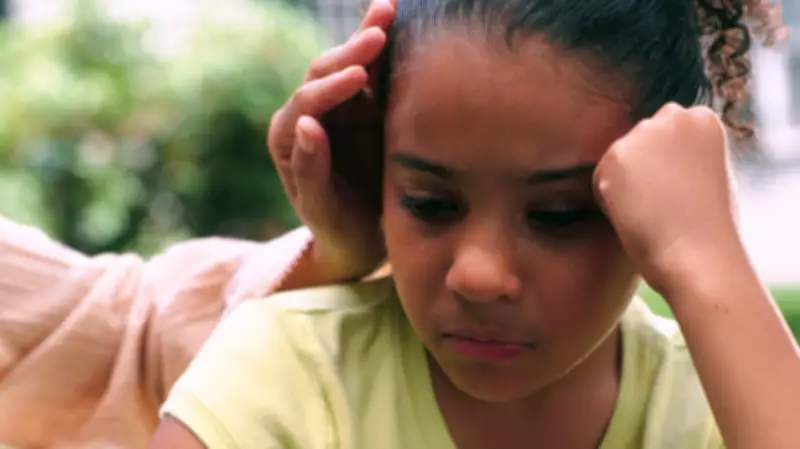
Last week, a deeply distressing video circulated widely across social media platforms, capturing a 12-year-old Asian American boy in tears as he recounted to his mother the anti-immigration harassment he had just endured while playing soccer. The emotional footage shows the child explaining how the opposing team's goalkeeper told him, "Trump is going to get me and send me back to where I used to live." The boy, visibly upset, emphasizes through his tears, "I was born in America. I don't live anywhere else." His mother decided to share the video publicly to highlight how profoundly words and actions can impact young people, telling CBS News she wanted to remind everyone about the emotional weight such incidents carry for children.
Therapeutic Professionals Report Rising Cases of Immigration-Related Bullying
Family therapists across the United States confirm that bullying experiences targeting immigrant children have become increasingly common as Immigration and Customs Enforcement (ICE) has escalated deportation activities in traditionally Democratic-leaning states. Sofia Mendoza, a trauma therapist practicing in Long Beach, California, explains, "Kids are feeling the impact of the anti-immigrant rhetoric that's fueling ICE raids and violence toward immigrants. Some children have definitely shared stories about peers calling them names or being threatened with statements about what President Trump will do to them at school, similar to what happened to the boy in the viral video."
For children with immigrant parents, there exists an understandably heightened fear of family separation through deportation. Alejandro Sandoval, a marriage and family therapist working near Los Angeles, reveals, "I've had clients share that their children worry about coming home to an empty house, ask whether their parents will still be there after school, or express fear about family members being 'taken away.' These anxieties are becoming more prevalent in therapeutic settings."

ICE Policy Changes and School-Related Enforcement Create Widespread Fear
This troubling trend coincides with significant policy changes regarding immigration enforcement near educational institutions. For decades, the "sensitive locations" policy restricted immigration enforcement activities near schools, child care centers, churches, and hospitals. However, those protections were officially rescinded in January 2025, allowing ICE to intensify its presence around schools.
The national conversation around this issue intensified last week following the detention of Liam Conejo Ramos, a 5-year-old Minneapolis boy who was taken from his driveway while wearing a blue bunny hat with long tassels and carrying a Spider-Man backpack. A federal judge ordered the release of Liam and his asylum-seeking father from the Texas ICE detention center earlier this week, but the incident has sparked widespread outrage and concern.
In response to these developments, parents in cities like Los Angeles and Minneapolis have begun organizing community patrols to protect students from federal agents who have been observed circling schools or parking near bus stops. The pervasive fear of arrest has led some immigrant families to keep their children home from school entirely. In Columbia Heights, a community directly north of Minneapolis, approximately 20% of the school district's students have enrolled in virtual school over the past month, according to the superintendent.
Significant Mental Health Impacts on Children Documented by Experts
The psychological toll on children grappling with these realities is substantial and multifaceted. Mendoza explains, "Witnessing or hearing about ICE raids might manifest in children through increased separation anxiety—a deep fear of being separated from their caregivers. Others may experience nightmares or troublesome dreams, regressive behaviors such as clinging to parents more frequently, sleep disturbances, toileting regression, irritability, or low frustration tolerance."

Therapeutic Strategies for Supporting Children Through Immigration-Related Stress
While raising children in such circumstances can feel overwhelming, therapists emphasize that there are concrete ways parents and caregivers can support children who show signs of stress related to immigration enforcement activities.
Don't Avoid Difficult Conversations
Jennifer León Salinas, a trauma-focused family therapist in Los Angeles, emphasizes that uncertainty often fuels anxiety more than information does. When adults avoid discussing these challenging topics, children frequently fill information gaps with worst-case scenarios gathered from peers, social media, or news sources. "Offering clear, honest, age-appropriate explanations helps reduce catastrophic thinking and restores a sense of predictability, power, and presence," she explains. "Education does not increase fear. It organizes it."
Create Emotionally Safe Spaces and Validate Feelings
When children don't feel emotionally secure, they often internalize their fears and remain silent. Validating whatever children choose to share—even with simple acknowledgments like "Thank you for telling me what you're scared of"—can reduce shame and signal to a child's nervous system that it's safe to express themselves. León Salinas notes, "Feeling heard is the foundation for regulation and trust, so saying something like, 'it makes sense that this feels scary' or 'I want to understand what worries you and how I can help you feel safe' can make a significant difference."
Maintain Honesty While Demonstrating Emotional Regulation
It's natural for parents to experience their own worries about current events, and it's acceptable to show some emotion in front of children in a healthy manner. Children don't need adults to be completely fearless, according to León Salinas, but rather need adults who can acknowledge fear while remaining present and grounded. "Name emotions honestly," she suggests. "Perhaps telling them, 'This makes me feel scared too, and I'm taking care of myself so I can take care of you' teaches children that fear can be mobilized, manageable, and shared."
Gabrielle Zhuang-Estrin, a clinical social worker who works extensively with immigrant families in Los Angeles, emphasizes the importance of maintaining calm while discussing these sensitive topics. "We may be dysregulated by something we have just seen or heard," she acknowledges. "Find your own center and be steady and calm when speaking to your child. It is key that you emphasize that they are safe and they are also safe to ask more questions or express more emotions with you."
Limit Exposure to News and Adult Conversations
While honesty is crucial, children don't need exhaustive details about immigration enforcement activities. Alejandro Sandoval advises, "Share what's relevant in simple language and correct misinformation they may have picked up from peers or social media. Limit exposure to news and adult conversations around them; repeated exposure can retraumatize children and make the world feel unsafe and unpredictable."
Develop Practical Safety Plans When Necessary
For families with members of different citizenship or immigration statuses, creating a safety plan can provide crucial reassurance. Mendoza recommends letting children know what the plan entails and who will be responsible for their basic needs if necessary. "Older teens can be given legal documents in case they are needed," she suggests. "While this might be initially scary, this is a reality for a lot of families. Knowing that a plan has been made and there are adults who are on board to help them can help ease fears somewhat."
Prioritize Connection and Teach Coping Strategies
León Salinas emphasizes the importance of intentional connection during stressful periods. "As parents, these are moments when we can be intentional with our time and presence with our children," she says. "Teaching simple grounding, breathing, and safety strategies gives children tools they can use in real time, especially at school or when parents are not present."
This is also an opportune time to practice co-regulation—helping children manage their emotions through supportive, calm interactions with caregivers. "Co-regulation can take the form of quiet, shared moments such as coloring, reading, cooking, playing music, or offering a hug," León Salinas explains. "These moments communicate safety through compassionate presence rather than words. When fear is high, this kind of connection helps the body settle and restores a sense of safety."
Provide Hope and Emphasize Collective Action
Alongside practical strategies, it's essential to offer children hope and perspective. León Salinas suggests reminding children they are not alone, that many people are working to protect families and advocate for justice, and that community has power even during fearful times. "Radical hope does not erase reality. It coexists with it," she reflects. "Emphasizing collective strength helps counter isolation and reinforces that this is a shared struggle, not one a child has to carry on their own."
Across the country, communities are responding to these challenges. High school students have gathered for anti-ICE protests outside state capitols, including in St. Paul, Minnesota, calling for an end to federal immigration detentions and enforcement actions. These demonstrations reflect growing awareness of how immigration policies and rhetoric are affecting the youngest members of society, creating an urgent need for both systemic change and individual support strategies for vulnerable families.