Weekly Aerobic Exercise Linked to Younger Brain Age in New Study
Engaging in just 150 minutes of consistent aerobic exercise each week could help keep your brain biologically younger, according to compelling new research published in the current issue of the Journal of Sport and Health Science. The study provides concrete evidence that regular physical activity in adulthood may significantly impact brain aging processes.
Clinical Trial Reveals Significant Brain Age Differences
The research involved a comprehensive clinical trial that analyzed 130 adults aged 26 to 58 over a full year. Participants were carefully divided into two distinct groups: one control group that maintained their usual physical activity levels, and another group that engaged in moderate-to-vigorous aerobic exercise.
Those in the exercise group completed two supervised 60-minute workout sessions each week, supplemented with additional home exercises to reach the recommended 150 minutes of weekly physical activity. This regimen aligns with established health guidelines while providing researchers with controlled conditions to measure specific outcomes.

MRI Scans Show Measurable Brain Age Changes
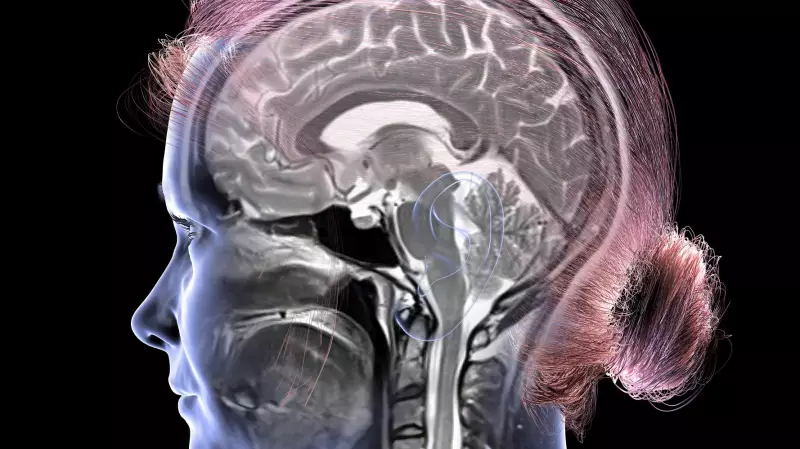
At the conclusion of the one-year study period, scientists evaluated all participants' "brain age" using advanced Magnetic Resonance Imaging (MRI) technology. The results revealed striking differences between the two groups.
Participants who maintained the exercise regimen demonstrated an average decrease in brain age of 0.6 years, meaning their brains appeared biologically younger. In contrast, those in the control group showed a slight increase in brain age of 0.35 years. While the control group's increase alone wasn't statistically significant, the nearly one-year gap between the two groups represents a meaningful difference in neurological health.
"Brain age has been shown to relate to cognitive aging and multiple aspects of physiological aging," notes ScienceDirect, explaining that this measurement can predict the risk of neurodegenerative diseases and mortality in older adults.
Expert Perspective on Lifelong Brain Health
Senior author Kirk I. Erickson, a neuroscientist and director at AdventHealth Research Institute and the University of Pittsburgh, emphasized the importance of these findings for long-term health outcomes.
"Even though the difference is less than a year, prior studies suggest that each additional 'year' of brain age is associated with meaningful differences in later-life health," Erickson told Science Daily. "From a lifespan perspective, nudging the brain in a younger direction in midlife could be very important."
Erickson further emphasized that lifestyle interventions during your 30s, 40s, and 50s can provide a crucial head start in potentially delaying or reducing the risk of later-life cognitive decline and dementia.
Study Limitations and Broader Implications
The researchers acknowledged certain limitations in their study, including the relatively small sample size and the fact that they didn't account for other lifestyle factors known to affect brain age, such as alcohol consumption and smoking habits.
Despite these limitations, the findings align with established health guidelines. The U.S. government's Physical Activity Guidelines for Americans recommends adults aim for at least 150 minutes of moderate-intensity exercise weekly for substantial health benefits. Moderate intensity includes any activity that "gets your heart beating faster," such as swimming, brisk walking, cycling, or even gardening and yard work.
Exercise as a Foundation for Cognitive Health
Dr. S. Ausim Azizi, a professor and section chief of behavioral neurology at the Yale School of Medicine, has previously emphasized the critical importance of physical activity for overall brain health.
"Physical activity is one of the 10 factors that improve cognition and brain health in general," Dr. Azizi stated, adding that "over longer periods of time, exercise and physical activity increase formation of new brain cells, neuron and glia alike, which will impact memory and other functions of the brain."

This new research adds to growing evidence that regular aerobic exercise represents one of the most accessible and effective strategies for maintaining cognitive function and potentially slowing brain aging processes throughout adulthood.