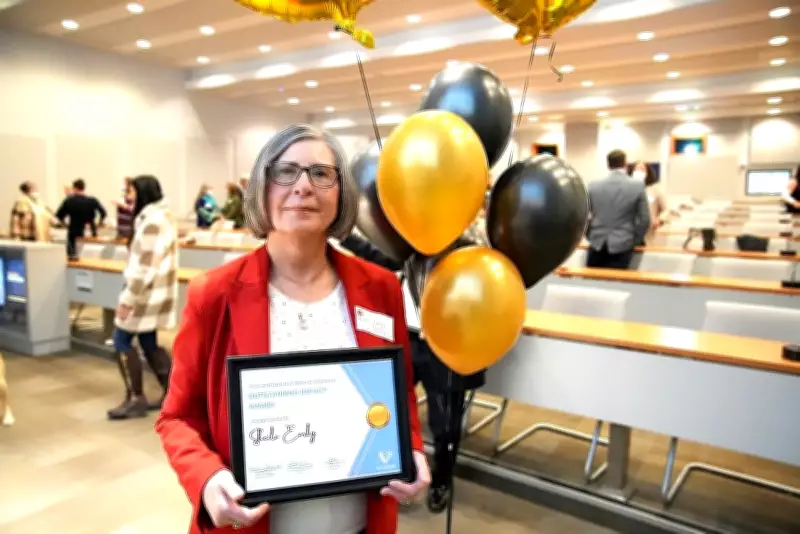
Sheila Early, a registered nurse and graduate of the University of Saskatchewan (USask) Nursing program (1969), has been recognized for her groundbreaking contributions to forensic nursing in Canada. On December 31, 2025, she was appointed as a member of the Order of Canada. Reflecting on the honor, Early said, “I was floored. I had to sit down immediately.”
Pioneering Forensic Nursing in British Columbia
Now residing in Surrey, British Columbia, Early played a key role in developing the province’s first forensic nursing program. This initiative provides survivors of violence with improved access to essential, patient-focused services and trauma-informed care. Her work has transformed how health care, legal, and law enforcement professionals respond to violence across Canada.
A Career Spanning Five Decades
Early’s professional achievements are extensive. She is a past-president of the International Association of Forensic Nurses (IAFN) and co-founded the Canadian Forensic Nurses Association. Additionally, she created Canada’s first classroom-delivered forensic health sciences certificate program. Her career in nursing began after a car accident as a young child inspired her to help others. She graduated from USask as a married student and worked for over 36 years in emergency departments in Saskatchewan and British Columbia.

Early maintains strong ties to Saskatchewan, including a family cottage on Emma Lake. “A Saskatchewan girl never really leaves,” she remarked.
First Registered Nurse to Perform Sexual Assault Exam in BC
In 1992, while working at Surrey Memorial Hospital, Early became the first registered nurse in British Columbia to perform a sexual assault exam. She launched the province’s innovative forensic nursing program after recognizing a critical gap in care for survivors of sexual assault. “There was a startling lack of care, and we could do something better than what we were doing,” she recalled.
Early often reflects on three sexual assault patients from her emergency department days who “stayed with me.” These patients were deeply affected by their experiences and suffered from ongoing mental health issues, including post-traumatic stress disorder. At the same time, she noticed that police officers and prosecutors were not receiving the information they needed from the emergency department to fulfill their roles in the justice system. “The devastation of violence and trauma on individuals, families, communities and society was clear to me from the beginning of my career in emergency,” Early said.
Influence from American Forensic Nursing Pioneers
Nurses in U.S. cities such as Amarillo, Memphis, and Minneapolis were innovating in forensic nursing as early as the 1970s. By 1995, the American Nurses Association had recognized forensic nursing as a specialty. Early looked to these developments to advance the field in Canada and soon became the primary forensic nursing educator in British Columbia.
Throughout her career, Early was mentored by Virginia Lynch, a globally recognized pioneer in forensic nursing. In 1995, Lynch wrote: “Forensic nursing is one example of an innovative expansion of the role nurses will fill in the health-care delivery system of the future. Because most emergency personnel and pre-hospital care providers ordinarily have only secondary interests in forensic matters, the motivated and skilled forensic nurse can serve as an invaluable resource for the criminal justice system, the hospital and the patient.”