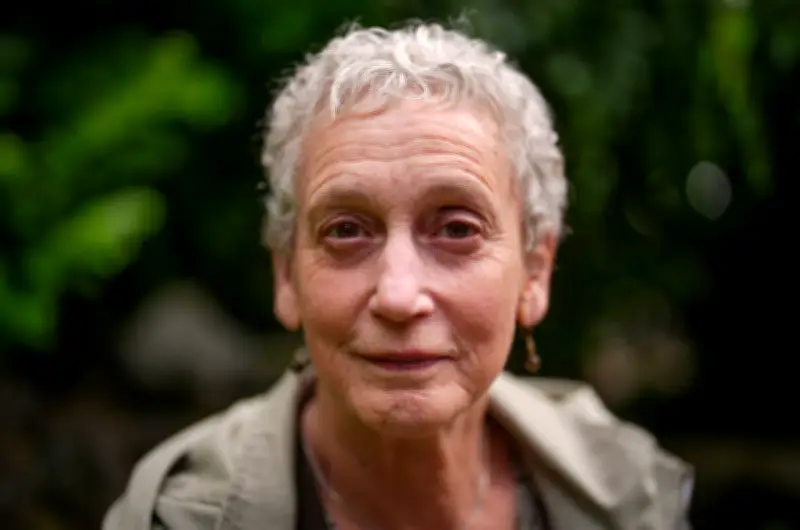
Dr. Ellen Wiebe, one of Canada's most prominent providers of medical assistance in dying (MAID), reflected on the divisive decade since the practice was legalized. In an interview at her Vancouver home, she discussed the ethical challenges, personal stories, and the ongoing debate surrounding MAID.
A Decade of Change
Since MAID became legal in Canada in 2016, Dr. Wiebe has been at the forefront, providing the service to hundreds of patients. She noted that the initial years were fraught with legal and moral uncertainties, but the landscape has evolved significantly. 'We've seen a shift in public perception, from skepticism to acceptance,' she said.
Ethical Debates
The expansion of MAID to include mental illness has sparked heated discussions. A parliamentary committee is set to recommend against allowing MAID for mental illness alone, citing insufficient safeguards. Dr. Wiebe acknowledged the complexity, stating, 'It's a deeply personal decision, and we must ensure rigorous assessments.'

Personal Stories
Dr. Wiebe shared poignant stories of patients who chose MAID, emphasizing the relief it brought to those suffering unbearably. 'Every case is unique, and my role is to provide compassionate care,' she said. Critics, however, argue that the system may be too permissive, leading to potential abuses.
Looking Ahead
As Canada continues to refine its MAID framework, Dr. Wiebe remains committed to the practice. 'The next decade will likely bring more clarity and perhaps new challenges,' she said. 'But the core principle of respecting patient autonomy will guide us.'
The Canadian government is also facing a lawsuit over climate inaction, highlighting the intersection of health and environmental policies.