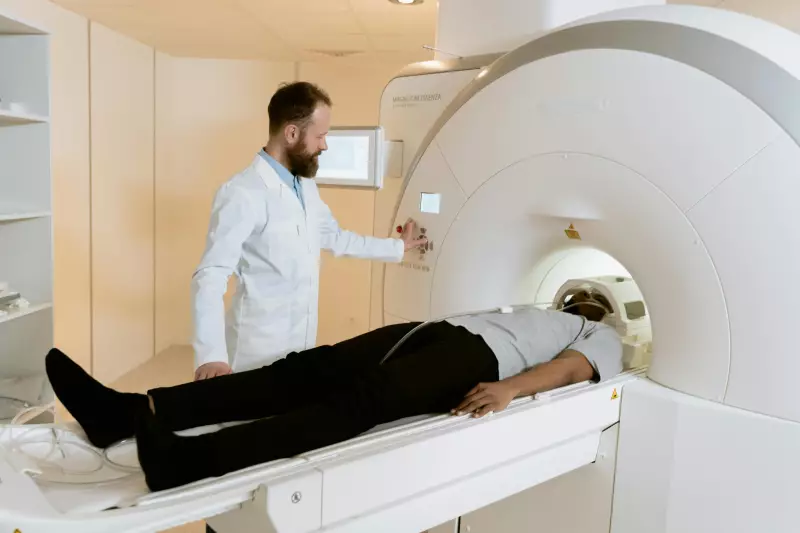
Groundbreaking medical research suggests that the invisible burden of chronic stress may leave a visible trace within the human body, detectable through common medical imaging. A new study led by researchers at The Johns Hopkins University School of Medicine has found that computed tomography (CT) scans could reveal hidden biological effects caused by prolonged psychological stress.
The Research and Its Parameters
The study, discussed by postdoctoral research fellow Elena Ghotbi, delves into how persistent stress manifests physically. While the emotional and mental health consequences of stress are well-documented, this research focuses on identifying tangible, structural changes that might be captured by non-invasive imaging technology like CT scans.
Dr. Ghotbi outlined the parameters of the investigation, which aimed to bridge the gap between psychological experience and physiological impact. The findings, presented in a video discussion, point to specific markers or patterns in scan results that correlate with a history of chronic stress exposure. This discovery opens a new frontier in understanding the comprehensive, whole-body impact of stress.

Implications for Future Healthcare
This research has significant potential implications for preventative medicine and diagnostics. If validated through further studies, the ability to objectively identify stress-related biological changes could lead to earlier interventions. Healthcare providers might one day use routine imaging data to assess a patient's risk for stress-related conditions, from cardiovascular issues to immune system dysfunction.
The work underscores a critical shift in medical perspective: viewing stress not merely as a feeling but as a quantifiable factor in overall physical health. By finding its potential signature in scans, scientists are moving closer to treating the physiological roots of stress-related illness.
A New Tool for a Widespread Problem
Chronic stress is a pervasive public health concern, linked to a host of serious medical conditions. The Johns Hopkins study, with its innovative approach, offers a promising new tool for research and clinical practice. It suggests that the technology already widely available in hospitals and clinics could be repurposed to provide insights into a patient's stress load, potentially informing more holistic treatment plans.
As the scientific community continues to explore this connection, the work of Elena Ghotbi and her team marks a pivotal step toward making the invisible consequences of stress visible, measurable, and ultimately, more manageable.