A Life-Altering Awakening
I regained consciousness after an extensive 11-hour surgery at the University of California San Francisco Medical Center, only to discover the profound extent of the procedure. My otolaryngologist had removed half of my nose, half of my upper lip, muscle and bone from my right cheek, the shelf of my right eye, six teeth, and part of my hard palate. As I attempted to adjust my position in the hospital bed, I felt an unusual pulling sensation from my chest. Glancing downward, I saw a lengthy tube of tissue extending from my cheek and attached to my chest, prompting an immediate gasp of shock.
The Shocking Reality
"Help!" I cried out into the dimly lit recovery room. A nurse promptly appeared and calmly explained the surgical details. I learned about the full-thickness skin graft necessary to replace the tissue removed from my cheek, nose, and upper lip. Confronting my reflection in a mirror at that moment would have been overwhelming. Instead, I took deep breaths as questions flooded my mind, awaiting my doctor's comprehensive post-surgery report.
From Easy Street to Medical Crisis
Just months before this life-changing surgery, my existence had been remarkably smooth. As a junior at the University of California at Berkeley, I was widely considered handsome and had even been voted homecoming prince during high school. Life felt comfortably predictable until subtle changes began occurring.

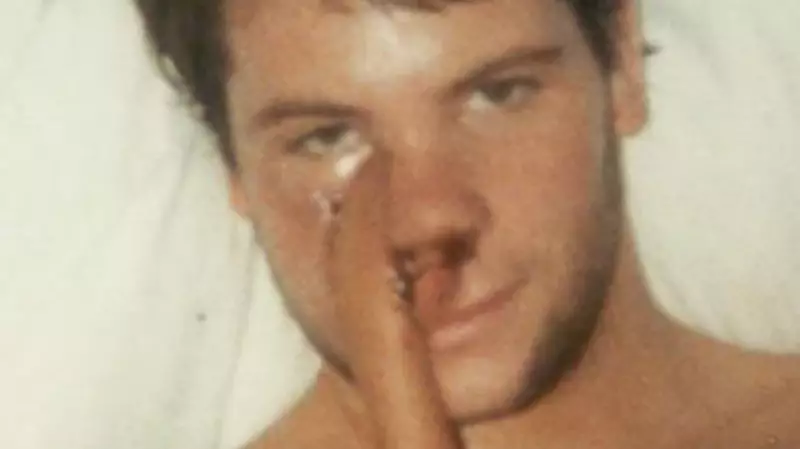
My right nostril started flaring outward, a change my friends noticed before I did. Eventually, medical investigation became necessary, leading to a maxillary biopsy to identify the unusual growth on my face. Five weeks later, after multiple laboratory analyses, I received a diagnosis of malignant maxillary tumor—a rare fibrosarcoma. Despite the serious diagnosis, my prognosis appeared favorable with clear margins. At only 21 years old, I felt invincible.
The Return of Uncertainty
Six months later, tingling sensations signaled something concerning was developing. My doctor warned that partial nose loss might occur, but the priority was saving my life. I entered surgery facing numerous unknowns about the outcome.
The Road to "Street Able"
Following the disfiguring procedure, my doctor promised to make me "street able" before hospital discharge. Fourteen days post-surgery, the living tissue tube attached to my face was finally severed. This timeframe allowed the full-thickness skin graft to establish its own blood supply, becoming integral to reconstructing my facial structure.
My right eye drooped noticeably, while my upper lip pulled toward my right cheek. My nose appeared normal on the right side but collapsed without a nostril on the left. The remaining tube tissue was reattached to my chest, with skin grafts from my legs covering facial areas. I now had parallel staple lines across my chest and what I termed a "waffle" of single-layer skin graft tissue covering my shoulder and part of my chest. This thinner graft lacked normal three-layer support, making backpacks perpetually uncomfortable over my right shoulder—though this discomfort ranked low among my concerns.
Navigating a Changed World
The concept of "street able" remained mysterious as I healed. Only later did I understand this was my surgeon's gentle preparation for life with permanent facial differences. After three weeks in the hospital, I felt monstrous in appearance, and others' reactions often confirmed this perception.
Reentering society brought numerous stares, double-takes, and occasional giggles from children at a safe distance. One particularly painful experience occurred on a Bay Area Rapid Transit (BART) car from the East Bay to San Francisco, where I sat across from two preteen girls. Their giggles wounded me deeply, though I outwardly pretended unaffected before moving seats to alleviate emotional pain. I attempted to prove my toughness, but the emotional toll was substantial.

The Long Journey of Reconstruction
Suddenly, my previously easy life became filled with unexpected detours. Radiation therapy eventually caused significant damage by shrinking much of the reconstructed tissue holding my face together. Additional reconstruction attempts proved unsuccessful as continued radiation exacerbated issues over time. My self-esteem plummeted dramatically, and I became someone constantly seeking reassurance—a trait that strained relationships as few people wanted to engage with such profound insecurity.
Five years and twenty reconstructive surgeries later, I had withdrawn from much of life, focusing solely on work and workouts to rebuild confidence. Weightlifting became my controllable outlet, allowing me to feel better about my body while hoping others might focus there rather than my face. However, I gradually realized that our faces represent our identity to the world, making this hope unrealistic. Still, bodily control provided incremental confidence gains as I viewed myself in gym mirrors.
A Transformative Encounter
During my final procedure, I met Dina, a woman receiving cervical cancer treatment at the same hospital where I underwent another unsuccessful nasal symmetry surgery. We began dating, but after repeatedly asking her true feelings about my appearance, she finally lost patience and delivered crucial insight.
She informed me that my primary problem wasn't physical appearance but emotional insecurity. This revelation made me acutely aware that I now faced two challenges: physical differences and internal insecurity. Reflecting on Dina's words over time, I realized my internal scars were far more disfiguring than external ones. I began focusing on gratitude, recognizing my fortune in having someone highlight my greatest weakness so honestly.
Rebuilding from Within
With fresh perspective, I understood that surgical outcomes were beyond my control, but I could control my internal rebuilding process. Examining my life through prayer and loved ones' support boosted my spirit and self-esteem. Group therapy provided courage to share vulnerabilities, leading to the realization that internal feelings matter more than physical appearance.
I finally felt liberated, knowing how to tackle challenges by focusing on my most pressing issue—insecurity—one day at a time. I developed a survival kit that helped rebuild confidence while enabling coping, hope maintenance, and ultimate thriving. Cancer-free since 1985, I abandoned reconstructive surgery as a priority in 1991. My survival kit includes seven enduring elements:
- Religious faith providing daily strength, courage, and most importantly, hope.
- Positive social circles of trusted individuals.
- Focused challenge management with achievable confidence-building goals.
- Mindful positivity beginning with gratitude and conscious attitude selection.
- Balance and outlets to distract from surgery, treatment, and recurrence fears.
- Group therapy for sharing vulnerabilities and healing.
- Daily positive imaging visualizing better futures and calming anxiety.
Professional and Personal Transformation
As I rebuilt myself internally, self-esteem improved significantly. I found marketing opportunities in the tech industry, where my approach yielded success through hard work, over-preparation for meetings, and polished presentations to senior management. By age 30, I became a vice president of marketing, later serving as VP of sales and marketing for two other companies while consulting for major tech firms like Cisco Systems and Intel.
I began speaking about my cancer journey, with confidence flourishing remarkably. People gradually stopped noticing my facial differences as I learned that self-presentation attracts attention more than appearance. Confidence became magnetic, drawing focus away from physical characteristics.
In my late twenties, I met Sue, a wonderful woman. We enjoyed two dates before my medical history even surfaced in conversation, revealing her focus on my character rather than appearance. We have now been married for 31 years.
The Broader Perspective on Visible Differences
Visible differences are more common than many realize. Recent research indicates 18% of U.K. residents self-identify as having visible differences, with 60% reporting experiencing "hostile behavior" from strangers. Consequently, individuals with visible differences often develop adaptive skills to overcome perceived shortcomings, cultivating strength, character, resilience, and grit. These skill sets frequently enhance leadership and management capabilities through increased empathy, comfort with change, and broader life perspective—qualities I personally exemplify.
Reflections on Healing
While I wouldn't wish my experience on anyone, my battle scars now remind me of healing. Each day, they highlight my journey's gifts: gratitude for existing blessings, empathy for others' struggles, and expanded life perspective. My story serves as a reminder that focusing on capabilities, identity, fortunate possessions, and worldly contributions—rather than appearance—may increase happiness and resolve insecurities.
Terry Healey, a survivor of life-threatening cancer resulting in permanent facial differences, authored "The Resilience Mindset" (ECW Press, September 9, 2025) and works as a keynote speaker. A UC Berkeley graduate with 35 years of marketing executive experience, Terry challenges audiences to confront adversity and change while applying his ReBAR resilience framework to build confidence, resilience, and greater purpose in personal and professional lives. He resides in Santa Cruz, California, with his wife, Sue.