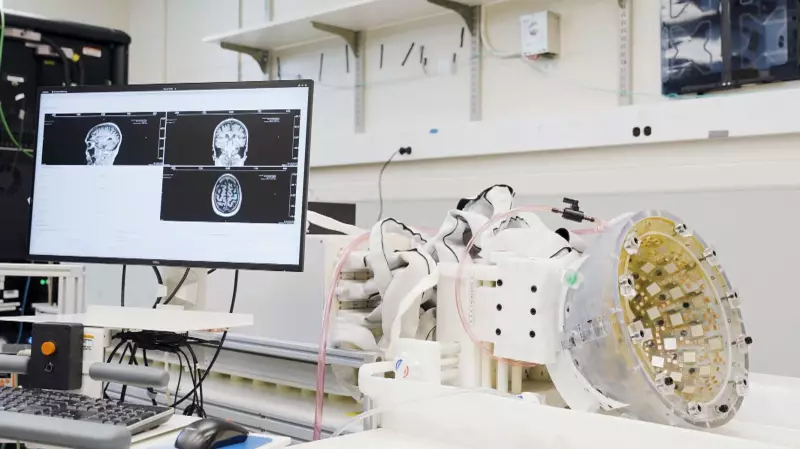
A Canadian Breakthrough in ALS Treatment
In a development that could significantly alter the landscape of neurological disease management, a world-first helmet designed in Canada is poised to revolutionize the way Amyotrophic Lateral Sclerosis (ALS) is treated. This innovative medical device, which delivers medication directly into the brain, represents a major leap forward in targeted therapeutic approaches.
The Science Behind the Helmet
The helmet functions by utilizing a non-invasive or minimally invasive method to transport pharmaceutical agents across the blood-brain barrier, a formidable obstacle that has traditionally limited the effectiveness of many treatments for brain disorders. By enabling precise delivery of drugs to affected neural tissues, this technology aims to enhance therapeutic outcomes while potentially reducing systemic side effects commonly associated with conventional oral or intravenous medications.
This made-in-Canada solution emerges from extensive research into neuromodulation and drug delivery systems. The design focuses on optimizing dosage control and localization, which are critical factors in managing progressive conditions like ALS, also known as Lou Gehrig's disease. Patients with ALS experience the degeneration of motor neurons, leading to muscle weakness, paralysis, and ultimately, respiratory failure.

Implications for Patients and Healthcare
For individuals living with ALS, this helmet could offer a new avenue of hope. Current treatment options are limited, often focusing on symptom management rather than halting disease progression. The ability to deliver neuroprotective or regenerative compounds directly to the brain might slow the advancement of the illness, improve quality of life, and extend survival rates.
The potential applications extend beyond ALS, suggesting that this technology could be adapted for other neurological conditions such as Parkinson's disease, Alzheimer's disease, or multiple sclerosis. This versatility underscores the helmet's significance as a platform innovation in medical technology.
The Road Ahead
While the helmet is still in the experimental or early clinical trial phases, its development marks a pivotal moment in Canadian medical research. Collaboration between neuroscientists, engineers, and clinicians in Toronto and across the country has been instrumental in advancing this project. Further studies will be necessary to validate its efficacy, safety, and long-term benefits.
As research progresses, this Canadian design could position the nation as a leader in neurotherapeutic innovation, attracting investment and talent to the healthcare sector. The helmet exemplifies how interdisciplinary approaches can yield transformative solutions for some of medicine's most challenging diseases.