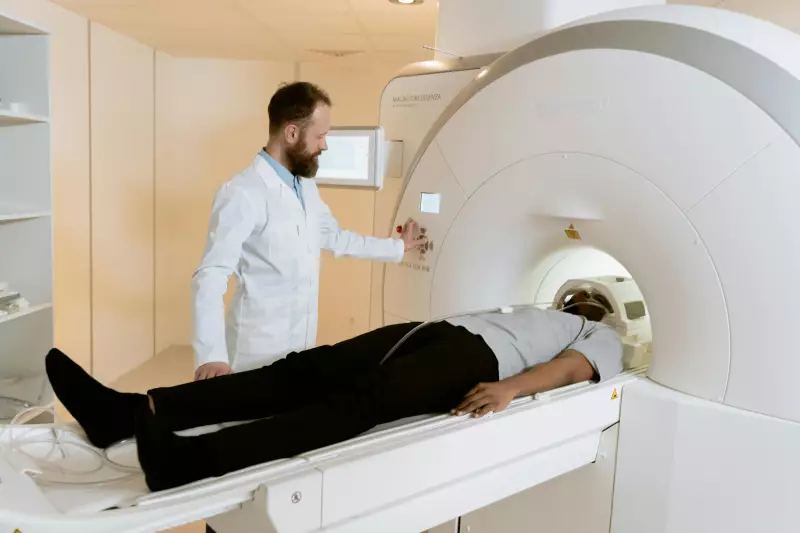
In a breakthrough with significant implications for public health and preventative medicine, researchers at The Johns Hopkins University School of Medicine have identified the first biological marker for chronic stress that can be detected using routine chest computed tomography (CT) scans. The findings, discussed by postdoctoral research fellow Elena Ghotbi, were published on December 20, 2025.
A Hidden Signal in Common Scans
The study reveals that the long-term biological effects of chronic stress leave a discernible imprint that radiologists can potentially spot during standard chest imaging, which is commonly performed for a variety of cardiac and pulmonary concerns. This discovery opens a novel, non-invasive pathway for identifying individuals suffering from the physiological toll of sustained stress, a condition often overlooked until it manifests as severe mental or physical illness.
The research suggests that specific, measurable changes visible on CT scans can serve as an objective indicator of chronic stress exposure, moving beyond subjective patient questionnaires. This biomarker could allow healthcare providers to flag at-risk patients during unrelated medical investigations, enabling earlier intervention and support.

Implications for Healthcare and Prevention
The potential applications of this discovery are vast. Integrating this biomarker assessment into the review of existing chest CT scans could become a powerful tool for population health screening. It offers a chance to connect individuals with mental health resources, stress management programs, and lifestyle interventions before chronic stress leads to more debilitating conditions like hypertension, anxiety disorders, or depression.
Elena Ghotbi outlined the parameters and significance of the study's findings, highlighting how a tool already widely used in medicine could be repurposed to address the silent epidemic of chronic stress. The study was formally published in the morning hours of December 20, 2025, with details updated later that same day.
Transforming Understanding of Stress
This research fundamentally shifts the understanding of chronic stress from a purely subjective experience to one with objective, physical correlates. By identifying a clear biomarker, scientists can better study the long-term impacts of stress on the body and develop more targeted treatments. The use of routine chest CTs makes this finding particularly practical, as it leverages existing medical infrastructure without requiring new, expensive technology.
The work conducted at Johns Hopkins paves the way for new clinical protocols and underscores the deep interconnection between mental and physical health. As healthcare systems, including those in Canada, grapple with rising mental health challenges, such innovations in early detection are increasingly crucial.