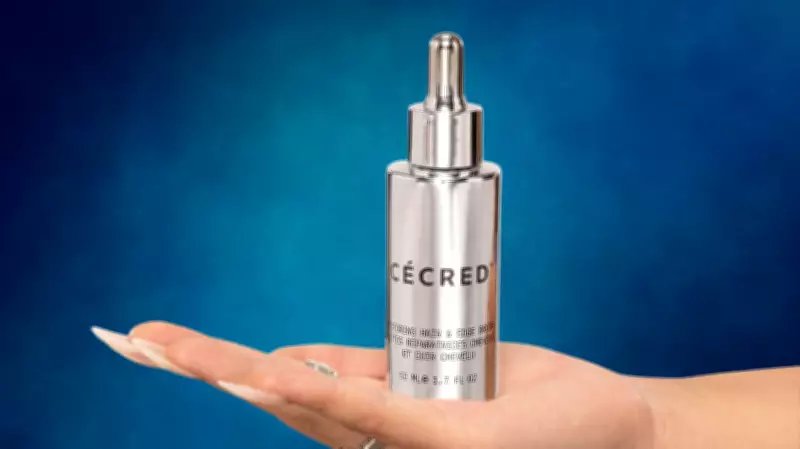
It is normal to approach celebrity-founded beauty brands with skepticism, but Beyoncé's Cécred Hair & Edge Restoring Drops have garnered significant online praise. Reviewers describe the product as "heaven in a bottle" and "magic" for thinning hair. Priced at $56 at Ulta and on the Cécred website, the serum is suitable for all hair types and textures, claiming to improve hair density by up to 1.5 times for fuller, healthier-looking hair.
The drops frequently sell out, with the official Cécred site limiting purchases to five bottles per customer. Enthusiastic reviews and before-and-after photos have circulated on X and TikTok. One Ulta reviewer noted, "I can already tell a difference after 21 days. If you're on the fence, give them a try." But how do these drops work, and are they as effective as testimonials suggest? We consulted Dr. Dina Strachan, a board-certified dermatologist at Aglow Dermatology in New York City, to analyze the ingredients.
Key Ingredients and Their Functions
Strachan examined the peptide ingredients that Cécred claims can visibly improve hair density. Peptides are protein fragments or short chains of amino acids. While she has not personally used the drops, she noted that "there are active ingredients that could theoretically contribute to hair growth and prevention of hair loss," depending on the formulation.

The five included peptides each serve a specific purpose: acetyl tetrapeptide-3 helps anchor hair into the scalp and prolong growth; biotinoyl tripeptide-1 improves hair follicle structure, anchors hair, and inhibits DHT, a hormone linked to hair shedding. Two additional peptides help maintain the hair growth phase, and another increases blood flow to stimulate growth. These peptides are complemented by bioactive keratin ferment, which Strachan explained "uses fermentation to break down proteins into smaller molecules that can penetrate and boost the hair shaft, preventing breakage."
Expert Verdict and Cautions
Strachan concluded that the ingredients could contribute to hair loss prevention and growth, particularly for breakage. However, she cautioned against viewing any hair loss product as a cure-all without consulting a doctor. "Hair loss is a lucrative industry that is largely unregulated, so there are many false claims," she said. "There are many types of hair loss, so diverse experiences with a product are expected."
While the "heaven in a bottle" claims may be exaggerated, the drops appear effective for many reviewers. Designed for daily use, they do not promise instant results. One reviewer with alopecia areata reported "a HUGE difference in my locs after 6 weeks. Hair is much fuller and healthier looking." Another noted, "Within two weeks my hair was stronger with little to no shedding. After one month I have new growth in problem areas where it wouldn't grow for years."
Reviewer Testimonials
- Not balding anymore: "After a few weeks my hair was shinier and thicker. People began to comment on my hair. I'm getting my hair back."
- Tia: "My stylist noticed new sprouts of hair after a couple months of use."
- Chinicca: "It's been about 2-3 weeks and I can tell the difference. It's pricey, but it works."
- Nikki Bailey: "I've only used this product for two weeks and the amount of baby hair growth is INSANE."
- Pound_Cake: "My hairline feels significantly sturdier. I'm starting to see baby hair sprouts filling back in."
- Kie C: "These drops helped restore thickness to my damaged spots in just 3 months."
Complementary Hair Loss Shampoos
To maximize hair growth, consider adding a specialized shampoo to your routine. Dr. Joyce Park recommends Nizoral Anti-Dandruff Shampoo with 1% ketoconazole, which reduces scalp inflammation and treats dandruff, often contributing to shedding. Reviewers find its scent "light and fresh." Another option is Virtue's Flourish Shampoo for Thinning Hair, containing patented Alpha Keratin 60ku to strengthen strands. For a budget-friendly choice, Maple Holistics biotin shampoo with rosemary oil helps strengthen hair and reduce breakage.