Public health authorities in Quebec have confirmed two additional cases of measles, directly linking them to an ongoing outbreak within the province. The announcement, made on December 16, 2025, underscores the persistent threat of the highly contagious viral illness despite widespread vaccination programs.
Details of the New Infections
The two new patients are connected to the existing transmission chain that public health teams have been monitoring. Measles is known for its extreme contagion; the virus can linger in the air for up to two hours after an infected person has left a room. Officials are actively conducting contact tracing to identify and notify anyone who may have been exposed to the individuals during their infectious period.
This development signals that community transmission is still occurring. The cases serve as a stark reminder that measles, which was declared eliminated in Canada in 1998, can quickly re-emerge where vaccination coverage is insufficient. Health authorities have not disclosed the specific regions or cities of the new cases, but are focusing efforts on containment and public awareness.

The Ongoing Public Health Response
In response to the growing outbreak, Quebec's public health department is reiterating its urgent guidance to the population. The cornerstone of the response remains vaccination. The measles, mumps, and rubella (MMR) vaccine is highly effective, with two doses providing about 97% protection against the disease.
Health officials are urging all residents to verify their immunization status, especially those planning to travel or who have children. Parents are being advised to ensure their children's vaccinations are up-to-date according to the provincial schedule. Adults born after 1970 who have never had measles or received two doses of the vaccine are also encouraged to consult with a healthcare provider about getting vaccinated.
Symptoms and Risks to Watch For
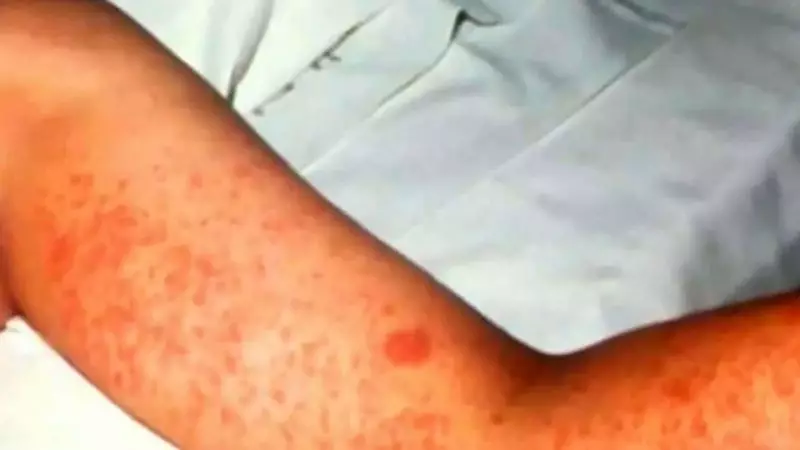
Measles typically begins with symptoms that resemble a severe cold or flu, including high fever, cough, runny nose, and red, watery eyes. A few days later, a distinctive red rash appears, usually starting on the face and spreading downward. Complications can be severe, particularly for young children, pregnant women, and immunocompromised individuals, and can include:
- Pneumonia
- Encephalitis (brain swelling)
- Hospitalization
- In rare cases, death
Anyone experiencing these symptoms is advised to contact a healthcare professional by phone immediately to prevent potential exposure in waiting rooms. Early identification and isolation are critical to slowing the spread of this dangerous but vaccine-preventable disease.