Understanding the Nipah Virus: A Comprehensive Guide to a Global Health Concern
In recent years, the Nipah virus has emerged as a significant pathogen of international concern, drawing attention from health authorities worldwide. This zoonotic virus, which originates in animals and can spread to humans, has been linked to outbreaks with high mortality rates, prompting urgent research and public health measures. Understanding its characteristics, transmission, and impact is crucial for global preparedness and response efforts.
Origins and Historical Context of the Nipah Virus
The Nipah virus was first identified in 1998 during an outbreak in Malaysia, where it affected pig farmers and led to severe respiratory and neurological symptoms. Named after the village of Sungai Nipah, the virus is primarily carried by fruit bats, specifically of the Pteropus genus, which serve as natural reservoirs. Since its discovery, outbreaks have been reported in several countries, including Bangladesh, India, and Singapore, often with devastating consequences for affected communities.
These outbreaks highlight the virus's ability to jump from animals to humans, a process known as zoonotic transmission. In many cases, human infections occur through direct contact with infected animals or consumption of contaminated food products, such as raw date palm sap, which bats may contaminate with their saliva or urine. This underscores the importance of surveillance and preventive measures in regions where the virus is endemic.

Symptoms and Health Impacts of Nipah Virus Infection
Infection with the Nipah virus can lead to a range of symptoms, from mild flu-like signs to severe, life-threatening conditions. Common early symptoms include fever, headache, muscle pain, and vomiting, which can progress to more serious complications. In severe cases, the virus causes encephalitis, or inflammation of the brain, leading to disorientation, seizures, and coma.
Mortality rates for Nipah virus infections are alarmingly high, with estimates ranging from 40% to 75% in past outbreaks, depending on the strain and healthcare access. Survivors may experience long-term neurological issues, such as persistent convulsions or personality changes, emphasizing the need for early diagnosis and supportive care. Currently, there is no specific antiviral treatment or vaccine approved for widespread use, making prevention and containment critical strategies.
Transmission Dynamics and Public Health Strategies
The Nipah virus spreads through various routes, including direct contact with infected animals, consumption of contaminated food, and human-to-human transmission via respiratory droplets or bodily fluids. This latter mode of transmission poses significant challenges for outbreak control, as it can lead to rapid spread in healthcare settings or close-knit communities.
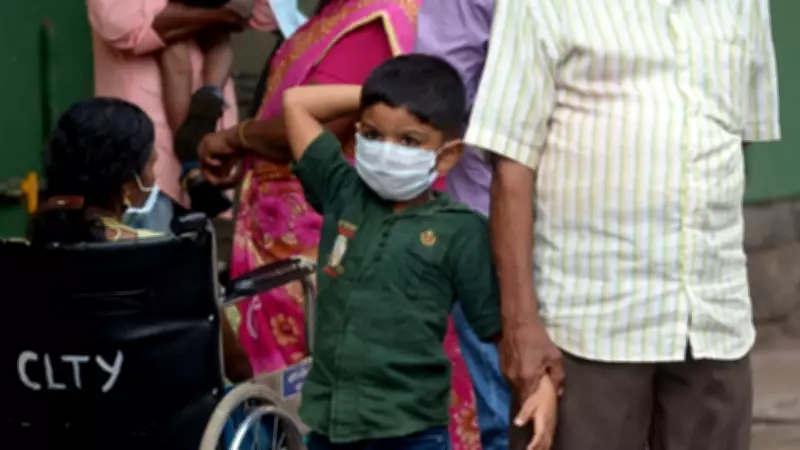
Public health responses to Nipah virus outbreaks typically involve isolation of infected individuals, contact tracing, and community education to reduce exposure risks. For example, during the 2018 outbreak in Kerala, India, health officials implemented mask-wearing and hygiene protocols, as depicted in historical images from the region. Such measures are essential to curb transmission and protect vulnerable populations.
Ongoing research aims to develop vaccines and therapeutics, with several candidates in clinical trials. However, the unpredictable nature of outbreaks underscores the importance of global cooperation and funding for infectious disease preparedness. As climate change and habitat encroachment increase human-animal interactions, the risk of zoonotic viruses like Nipah may rise, making vigilance and innovation in public health more vital than ever.