A new chapter in the global fight against HIV has begun in South Africa, with the rollout of a revolutionary long-acting prevention drug sparking ambitious hopes for future "HIV-free generations." The injectable medication, lenacapavir, represents a significant shift in prevention strategy, moving away from daily pills to a twice-yearly injection.
A Groundbreaking Shift in Prevention Strategy
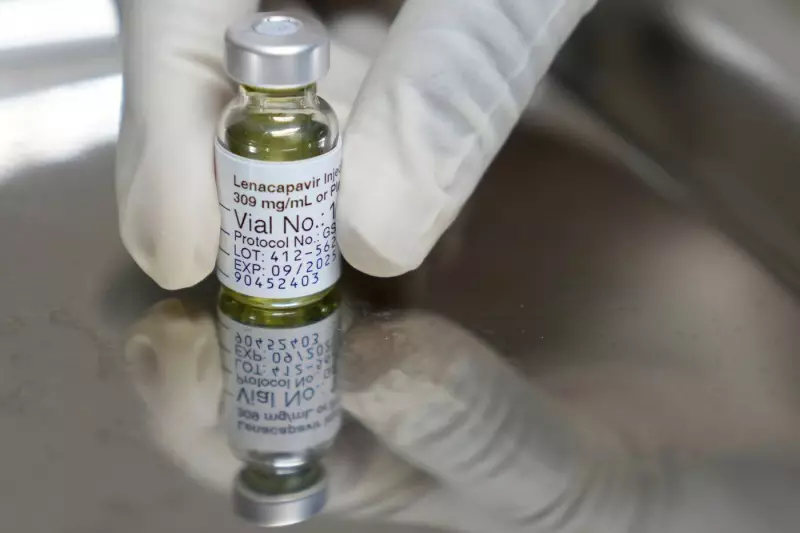
The drug's introduction follows promising clinical trials, including one conducted at the Desmond Tutu Health Foundation's Masiphumelele Research Site in Cape Town. A photograph from July 23, 2024, captures a pharmacist at the site holding a vial of the clear solution, symbolizing a tangible new tool in a long-standing battle. Lenacapavir works by inhibiting the HIV capsid, a protein shell essential for the virus's replication, offering a robust shield against infection.
This move to an injectable format addresses a critical challenge in HIV prevention: adherence. For many individuals, remembering to take a daily pill, known as pre-exposure prophylaxis (PrEP), can be difficult. A treatment administered just twice a year dramatically reduces this burden, potentially reaching more people and providing more consistent protection.

The Path Forward and Global Implications
South Africa, which has one of the world's highest HIV burdens, is a pivotal testing ground for this innovative approach. The successful rollout and adoption of lenacapavir could serve as a model for other nations grappling with high infection rates. The hope expressed by health officials and advocates is that by making prevention more accessible and discreet, the chain of new transmissions can be severely disrupted.
The development and deployment of long-acting injectable PrEP mark a major advancement in biomedical HIV prevention. It complements existing methods, offering choice and empowering individuals with more control over their sexual health. While challenges in distribution, cost, and education remain, the arrival of lenacapavir on the public health scene is viewed as a landmark moment of optimism.
The ultimate goal, as echoed by health leaders, is to create the conditions where young people can grow up without the fear of HIV, edging closer to the vision of an AIDS-free future. The progress in South Africa is being watched closely by the international community as a potential turning point in the decades-long epidemic.