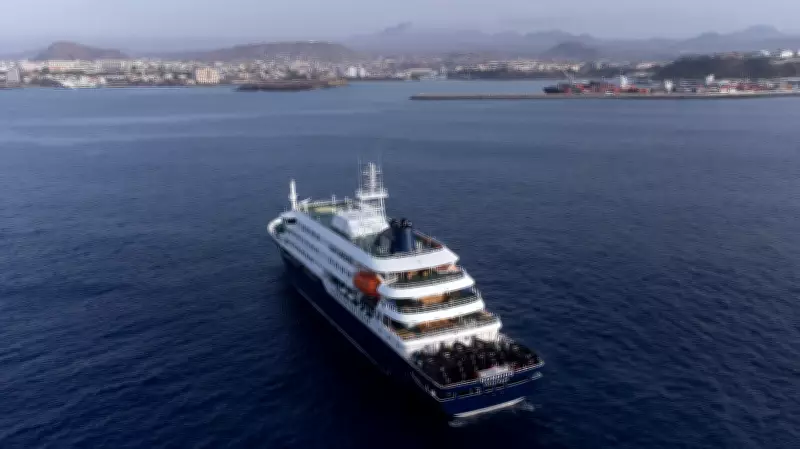
A deadly hantavirus outbreak on a luxury cruise ship stranded in the Atlantic is believed to have spread from person to person, a rare occurrence for a virus typically transmitted by rodents, health officials announced.
Unusual Transmission
The virus, which has caused three deaths as of Tuesday, may have spread through human-to-human contact due to the close quarters on the ship, the World Health Organization stated during a press conference in Geneva.
"It's definitely uncommon," said Maria Van Kerkhove, WHO's director for epidemic and pandemic preparedness and prevention. "WHO assesses that the overall risk to the public is low."

Andes Virus Suspected
Health officials are operating under the assumption that the hantavirus involved is the Andes virus, as there is limited evidence that this specific strain can spread between humans. Sequencing of the virus, which may take several days, is underway in South Africa, Van Kerkhove added.
The MV Hondius departed from Ushuaia, Argentina, on April 1 with approximately 150 people from over 20 nationalities. It traveled across the South Atlantic, making stops in remote and ecologically diverse regions including Antarctica, South Georgia, Nightingale Island, Tristan da Cunha, Saint Helena, and Ascension Island, according to WHO.
Possible Origins
One working hypothesis is that a couple who boarded the ship in Argentina and later died may have brought the virus onboard. This is partly because the Andes virus, which WHO notes can cause severe respiratory illness with a case fatality rate of up to 50%, is endemic to South America, Van Kerkhove explained.
"Given the incubation period of hantavirus, which ranges from one to six weeks, our assumption is that they were infected off the ship, possibly during activities there," she said. "This was an expedition boat, and many passengers engaged in bird-watching and wildlife observation, so we believe they were infected before joining the cruise."
Another possibility is that other passengers contracted the virus during visits to islands with high rodent populations. Human hantavirus infection primarily occurs through contact with urine, feces, or saliva of infected rodents.
Current Situation
So far, there have been seven cases: two laboratory-confirmed and five suspected, with three deaths. Three individuals with suspected cases remain aboard the ship, WHO reported.
The ship has been anchored off the coast of Cape Verde since Sunday, with local authorities not allowing passengers to disembark and ordering them to stay in their cabins. After the medical evacuation of two people is completed, the vessel will proceed to the Canary Islands for cleaning and examination of remaining passengers, Van Kerkhove said.
Meanwhile, those on board have sufficient food and water, and decontamination efforts are underway to limit further spread of the virus.
"We have heard from many people on the boat," Van Kerkhove said. "We want you to know we are working with the ship's operators and your home countries. We hear you. We understand you are scared."