Understanding Hantavirus and Its Recent Outbreak
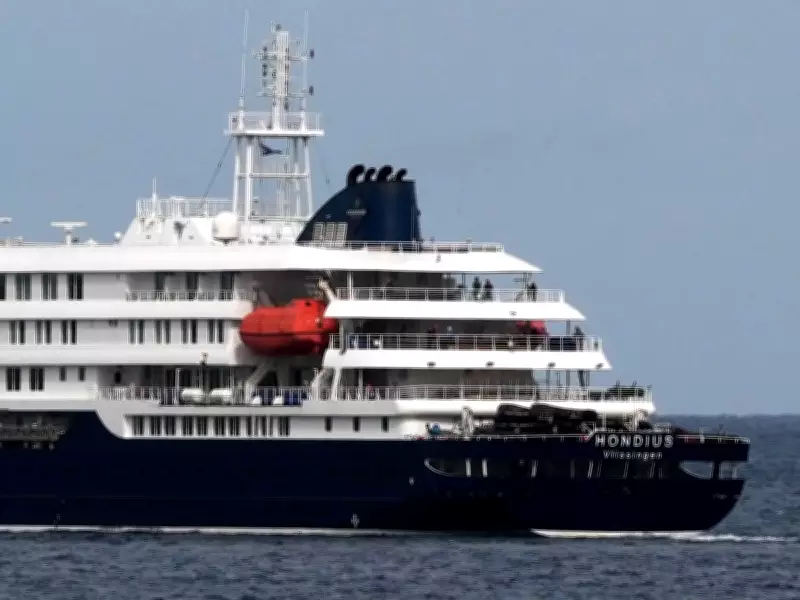
Hantavirus has made headlines following an outbreak on a Dutch cruise ship, the MV Hondius, which remains stranded off the coast of West Africa. This article explains what hantavirus is, how it spreads, and why the situation has raised concerns.
What Is Hantavirus?
Hantavirus pulmonary syndrome (HPS) is a severe respiratory illness caused by hantaviruses. These viruses are primarily carried by rodents, especially deer mice, and can be transmitted to humans through contact with rodent urine, droppings, or saliva. Infection typically occurs when contaminated particles are inhaled, often from disturbed dust in enclosed spaces.
Symptoms usually appear two to three weeks after exposure and resemble a flu-like illness, including fever, sore muscles, headaches, nausea, vomiting, diarrhea, and abdominal pain. As the disease progresses, fluid buildup in the lungs leads to shortness of breath and difficulty breathing, which can be fatal.

The Cruise Ship Outbreak
The MV Hondius, operated by Oceanwide Expeditions, departed Ushuaia, Argentina, on April 1, 2026, for a voyage across the South Atlantic. The itinerary included stops in Antarctica, South Georgia, Nightingale Island, Tristan da Cunha, Saint Helena, and Ascension Island. Between April 6 and 28, several passengers fell ill with fever and gastrointestinal issues, which rapidly escalated to pneumonia, acute respiratory distress, and shock.
Eight cases were reported to the World Health Organization (WHO) on May 2. As of May 6, three individuals have died. Three others were evacuated to the Netherlands for medical care. One victim developed symptoms after going ashore at Saint Helena on April 24 and died upon arrival at a hospital in Johannesburg, South Africa, on April 26.
South African health officials have identified 62 contacts, including fellow passengers, flight crew, airport workers, and medical staff, who may have been exposed. The ship has been moored near Cape Verde since May 3, with plans to dock in Spain's Canary Islands, where remaining passengers will be quarantined.
Should Cruise Travelers Be Concerned?
While hantavirus outbreaks are rare, this incident highlights the risks of close quarters and remote travel. Vancouver, a major cruise port expecting 1.4 million passengers in 2026, has not reported any cases. The virus is not airborne between humans, so person-to-person transmission is unlikely. Travelers should avoid contact with rodents and ensure proper ventilation in cabins.
In summary, hantavirus is a serious but rare disease. The current outbreak is contained, and authorities are monitoring the situation closely. Cruise passengers should follow hygiene guidelines and report any symptoms promptly.