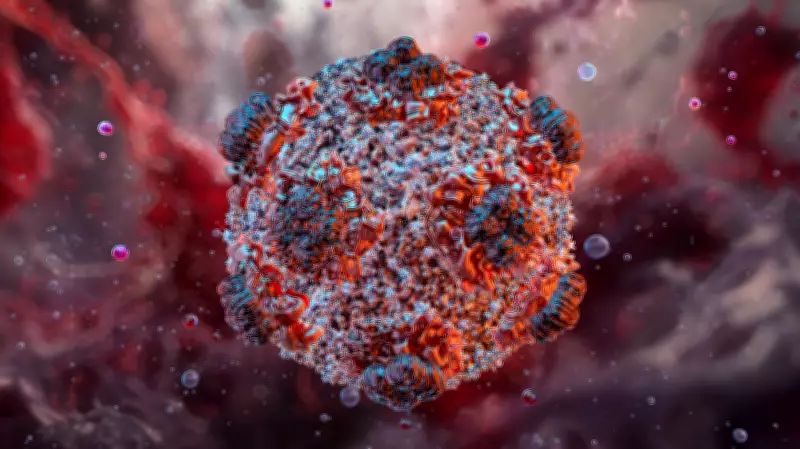
After a rare hantavirus outbreak on a cruise ship killed and sickened several passengers, rumors and misinformation about new cases and unproven treatments are spreading online. Infectious disease researchers stress that hantavirus is not at the level of concern that COVID-19 was, but the trauma from the pandemic is exacerbating the spread of false claims.
Some of the concern stems from the Centers for Disease Control and Prevention's layoffs and cuts to science research since Donald Trump became president again in 2024. Epidemiologist Katrine Wallace stated that there is no strong evidence that the government is understating the risk, and current evidence supports a low risk to the general public.
However, experts are not entirely satisfied with the administration's handling of hantavirus communications. Wallace noted that the CDC released a Health Alert Network notification about hantavirus on the past Friday, but it was delayed compared to normal expectations. Epidemiologist Jessica Malaty Rivera added that the U.S. withdrawal from the World Health Organization has hindered the response, including genomic sequencing of the virus.

Malaty Rivera criticized the lack of robust communication on CDC social media and the absence of an immediate press briefing. She pointed out that NIH Director Jay Bhattacharya claimed everything was being done according to protocol, which she said is not true. A more direct and better response would have been typical in the past.
The CDC is supporting U.S. passengers from the affected cruise ship, the MV Hondius, with a quarantine facility in Nebraska for monitoring. However, Malaty Rivera expressed disappointment with the CDC's response, attributing it to the politicization of public health and the gutting of multilateral partnerships. Wallace emphasized that diseases do not respect borders, and leaving the WHO was unwise.
For accurate hantavirus information, experts recommend turning to the World Health Organization, which releases daily communications and is a reliable resource. They also suggest following credible public health communicators on social media or Substack, such as @jessicamalatyrivera, @epidemiologistkat, @rubin_allergy, @laurel__bristow, @sciencewhizliz, @drjohnbrownstein, Your Local Epidemiologist, and Those Nerdy Girls.
Despite the outbreak, the risk to the general public remains low, and no changes in behavior or travel plans are necessary. This situation is unusual but does not represent the next pandemic. The real concern, according to Malaty Rivera, is the future potential for a disease with pandemic potential due to weakened global health security.