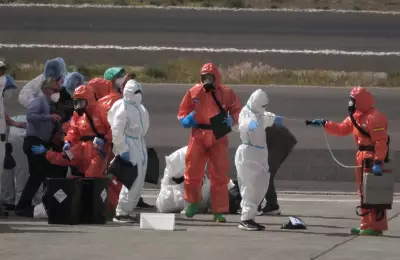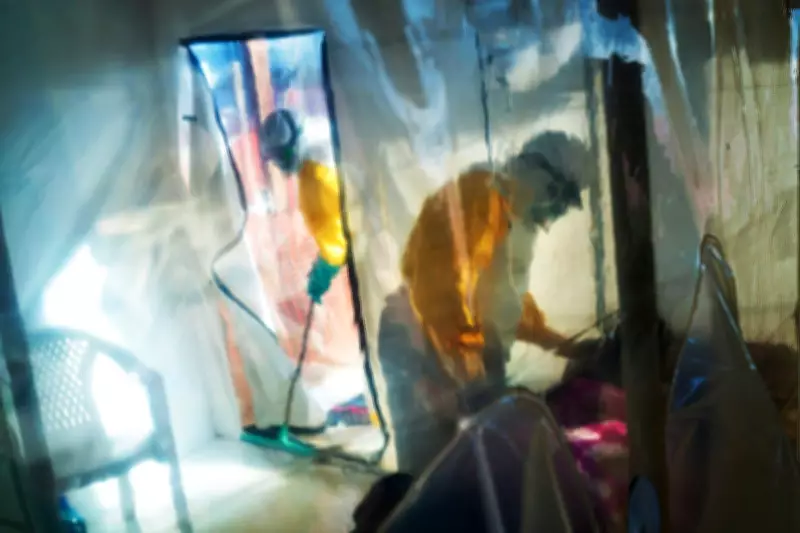
A new Ebola outbreak has been confirmed in a remote province of the Democratic Republic of Congo, with at least 65 deaths recorded so far. Health workers are on the ground, setting up isolation tents and working to contain the spread of the deadly virus. The outbreak serves as a stark reminder of the ongoing threat posed by Ebola, which has caused multiple epidemics since it was first identified decades ago.
History of Major Ebola Outbreaks
Ebola virus disease was first identified in 1976 in simultaneous outbreaks in Nzara, South Sudan, and Yambuku, Democratic Republic of Congo. The latter occurred near the Ebola River, from which the disease takes its name. Since then, several major outbreaks have occurred, with the largest being the 2014-2016 West Africa epidemic, which affected Guinea, Sierra Leone, and Liberia, resulting in over 11,000 deaths.
Key Outbreaks
- 1976: First recognized outbreaks in Sudan and Congo.
- 1995: Kikwit, Congo, with 315 cases and 250 deaths.
- 2000-2001: Gulu, Uganda, with 425 cases and 224 deaths.
- 2014-2016: West Africa epidemic, the largest on record.
- 2018-2020: Kivu outbreak in Congo, with over 2,200 deaths.
Current Outbreak in Congo
The latest outbreak was declared in a remote area of Congo's Equateur Province. Health authorities are working to trace contacts, isolate patients, and administer vaccines. The World Health Organization has dispatched teams to support the response. While the region is challenging due to its remote location, lessons from past outbreaks are being applied to contain the virus quickly.

Prevention and Treatment
Ebola is transmitted through direct contact with bodily fluids of infected people or animals. Symptoms include fever, severe headache, muscle pain, and unexplained bleeding. There is no specific cure, but supportive care and experimental treatments can improve survival rates. Vaccines, such as Ervebo, have been developed and are being used in outbreak settings to protect at-risk populations.
Global Impact and Preparedness
The repeated emergence of Ebola highlights the need for strong health systems and rapid response capabilities. International cooperation and funding have been critical in controlling outbreaks. As the world continues to face infectious disease threats, the lessons from Ebola remain relevant for pandemic preparedness.