The London region is grappling with an unusually early and significant surge in influenza cases, prompting health officials to issue urgent reminders about the importance of vaccination. The season, which typically peaks later in the winter, has arrived with force, marked by the presence of the H3N2 strain, known for causing more severe illness, particularly among older adults and young children.
A Concerning Early Start to Flu Season
While flu activity often begins to climb in late December or January, public health data for the region shows a sharp increase in confirmed cases and hospital visits related to influenza-like illnesses in early December 2025. This early spike has put a strain on local healthcare resources, including hospital emergency departments and primary care clinics. Pharmacies and doctors' offices across London and surrounding communities have reported a notable uptick in people seeking treatment for high fever, body aches, and respiratory symptoms.
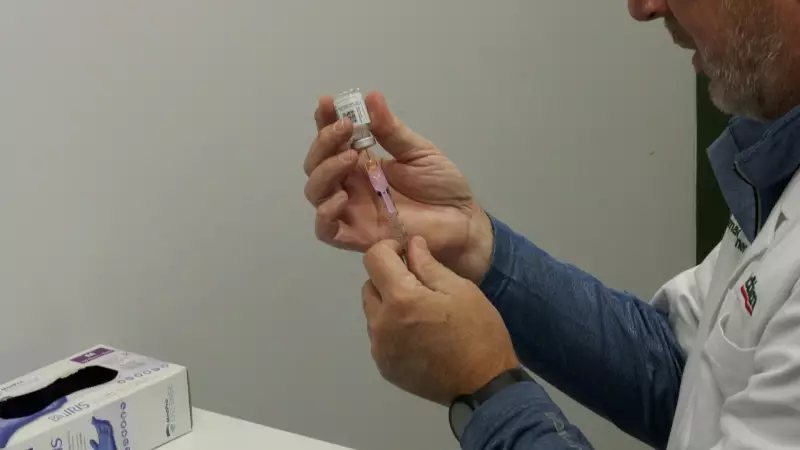
Pharmacists like Scott Coulter in London are on the front lines, administering vaccines to a steady stream of residents hoping to gain protection. "We're seeing people come in who are concerned after hearing about cases in their workplaces or schools," a local health professional noted. The message from Middlesex-London Health Unit and other agencies is clear: it is not too late to get a flu shot, and vaccination remains the most effective tool for preventing serious illness.

Understanding the H3N2 Virus
Health experts emphasize that this year's dominant strain, H3N2, should not be mistaken for a common cold. It is a "severe viral infection" that can lead to serious complications like pneumonia, worsening of chronic medical conditions, and hospitalization. Symptoms often come on suddenly and can include:
- High fever and chills
- Severe muscle aches and fatigue
- Dry cough and sore throat
- Headache
Individuals in high-risk groups—including seniors, pregnant women, young children, and those with chronic health conditions—are especially vulnerable and are strongly encouraged to seek vaccination promptly.
Community Impact and Public Health Response
The early flu surge coincides with ongoing circulation of other respiratory viruses, including RSV and COVID-19, creating a "tripledemic" challenge for the healthcare system. Local hospitals are implementing surge protocols and reminding the public to use appropriate care pathways, such as visiting a walk-in clinic or pharmacist for non-emergency symptoms, to keep emergency rooms available for critical cases.
Public health campaigns are being amplified, focusing on preventive measures beyond vaccination. Officials reiterate the importance of frequent hand washing, wearing masks in crowded indoor settings, and staying home when sick to curb the spread. Employers are also being asked to support these measures by allowing flexible sick leave policies.
While the forecast suggests milder temperatures may be on the way for London, health authorities warn that weather changes do not halt virus transmission. The focus remains on community-wide protection through proactive health measures as the region navigates this early and active flu season.