Windsor EMS Advocates for Clinician-Enhanced 911 Dispatch System in Ontario
Essex-Windsor Emergency Medical Services (EWEMS) has formally presented a proposal to Ontario Health Minister Sylvia Jones, advocating for the implementation of a clinician-supported 911 dispatch system. This innovative approach aims to revolutionize emergency response protocols across the province by integrating medical expertise directly into the initial call-handling process.
High-Level Meeting with Provincial Officials
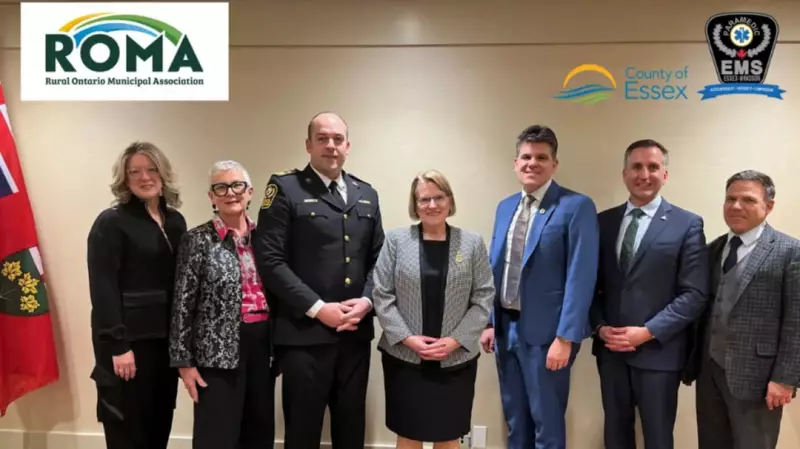
The pitch was delivered during a significant meeting on January 20, 2026, attended by key stakeholders. Representing Essex-Windsor EMS was Chief Justin Lammers, who was joined by County CAO Sandra Zwiers and Warden Hilda MacDonald. Provincial representation included Windsor-Tecumseh MPP Andrew Dowie, Chatham-Kent-Leamington MPP Trevor Jones, and Essex MPP Anthony Leardi, demonstrating broad political support for the initiative.
The proposed system would embed qualified healthcare clinicians within 911 dispatch centers. These professionals would provide real-time medical guidance to callers, assess situations with greater clinical accuracy, and potentially deploy more appropriate resources from the outset. This model is designed to enhance patient outcomes by ensuring that emergency responses are tailored to specific medical needs from the moment a call is received.

Potential Benefits and Provincial Implications
Advocates argue that clinician-supported dispatch could lead to several key improvements in Ontario's emergency medical services:
- Improved Triage Accuracy: Clinicians can better evaluate the severity of medical emergencies over the phone, reducing instances of over or under-response.
- Enhanced Patient Care: Callers can receive immediate first-aid instructions and medical advice while awaiting ambulance arrival.
- Resource Optimization: More precise dispatch decisions could lead to better allocation of EMS resources, potentially reducing costs and improving efficiency.
- Reduced Emergency Department Burden: By directing appropriate cases to alternative care pathways when suitable, the system might alleviate pressure on hospital emergency rooms.
The proposal comes at a time when Ontario's healthcare system faces ongoing challenges, including paramedic shortages and increasing call volumes. A clinician-supported model has been successfully implemented in other jurisdictions, where it has demonstrated measurable improvements in response times and patient satisfaction metrics.
Next Steps and Provincial Considerations
Health Minister Sylvia Jones will now evaluate the proposal within the broader context of Ontario's healthcare strategy. The implementation would require significant investment in training, technology, and staffing, but proponents argue that long-term savings and improved health outcomes would justify the initial costs.
This initiative represents a forward-thinking approach to emergency medical services that could set a new standard for provinces across Canada. As Ontario continues to seek innovative solutions to healthcare challenges, the Essex-Windsor EMS proposal offers a concrete model for enhancing one of the most critical points in the emergency response chain.