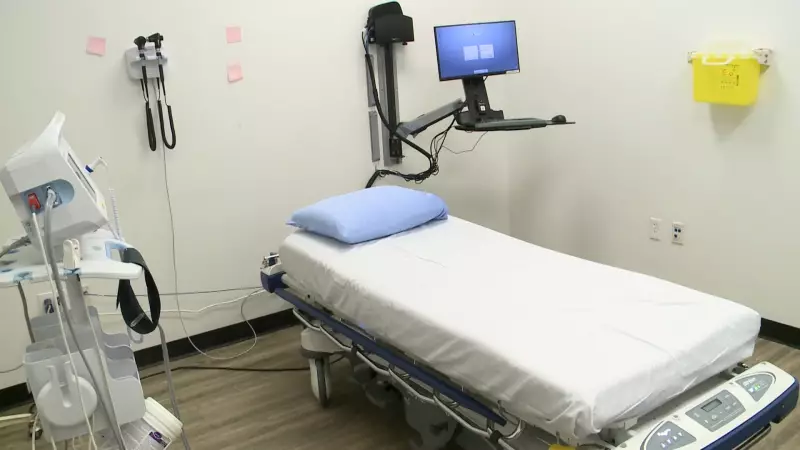
The CEO of New Brunswick's Horizon Health Network has confirmed that a proactive "surge" strategy is already being implemented across hospitals in anticipation of increased pressure over the holiday season. This early activation comes as healthcare facilities, including pediatric centers like CHEO in Ottawa, report a sharp rise in flu cases.
Proactive Measures for Holiday Pressures
Margaret Melanson, Interim President and CEO of Horizon, stated that the plan is designed to manage potential spikes in patient volumes that typically occur during the winter holidays. The strategy involves optimizing bed capacity, staffing adjustments, and streamlining patient flow through emergency departments and urgent treatment centres, such as the facility located at the Brookside Mall in Fredericton.
This early move is a response to broader trends being observed in Canadian healthcare. Hospitals in multiple provinces are grappling with a confluence of seasonal viruses, including influenza and RSV, which is straining emergency rooms. The situation underscores the importance of having robust contingency plans ready before the peak of the season hits.

Broader National Healthcare Context
The decision in New Brunswick aligns with challenges reported nationwide. In Ontario, the Children's Hospital of Eastern Ontario (CHEO) has documented a significant increase in flu cases during December. Simultaneously, incidents like an assault on a doctor in a Winnipeg emergency department highlight the intense pressures facing frontline healthcare workers.
Public health officials across Canada are reiterating guidance for the public, advising on when to treat sick children at home and avoid gatherings to help curb virus transmission and reduce the burden on hospital systems. This community-level action is considered a critical component of managing healthcare capacity.
Preparedness and Public Guidance
Horizon's surge plan represents a shift towards anticipatory action rather than reactive response. By deploying resources and protocols ahead of the expected holiday rush, the network aims to maintain access to urgent and emergency care for all patients needing it.
The overarching message from health authorities is one of preparedness, urging residents to use appropriate levels of care—such as pharmacies, virtual care, or urgent treatment centres—for non-emergencies to keep hospital emergency departments available for the most critical cases. The success of such surge plans often depends on this public cooperation alongside the internal operational adjustments made by health networks.