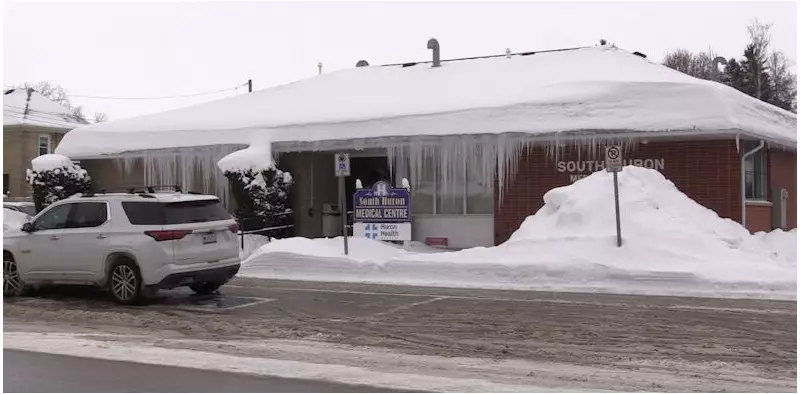
Residents of Huron and Perth counties are facing a significant reduction in accessible healthcare as the region's last remaining walk-in clinic prepares to close its doors permanently. The weekend walk-in service operating out of the South Huron Medical Centre in Exeter, Ontario, will cease operations on December 29, 2025.
The End of an Era for After-Hours Care
This closure represents the final walk-in medical clinic in the entire two-county region of Huron-Perth. For years, the clinic provided a crucial service for individuals requiring non-emergency medical attention outside of standard family doctor hours, including evenings and weekends. Its shutdown will leave a substantial gap in the local healthcare landscape, particularly for those without a primary care physician or who need immediate care for minor ailments.
Impact on Exeter and Surrounding Communities
The South Huron Medical Centre clinic served not only the town of Exeter but also residents from numerous surrounding rural communities. The loss of this service means patients will now be forced to seek alternative care, which could include traveling longer distances to emergency rooms in larger centres like Stratford, Goderich, or Clinton for issues that do not constitute an emergency. This shift is expected to increase pressure on already strained hospital emergency departments and may lead to longer wait times for all patients.

Local officials and healthcare advocates have expressed deep concern over the closure, highlighting the challenges faced by rural regions in retaining medical services. The trend of clinic closures and physician shortages in small-town Ontario is not unique to Huron-Perth, but this particular shutdown underscores a growing crisis in accessible primary care.
Looking for Solutions in a Strained System
While the specific reasons for this clinic's closure were not detailed in the initial announcement, it fits a broader pattern often linked to physician retirement, recruitment challenges, and unsustainable operational models for independent clinics. The closure date, falling just before the New Year, adds a layer of difficulty as the cold and flu season typically peaks in winter months.
Community leaders are now tasked with exploring potential solutions, which may include advocating for provincially-funded after-hours clinics, expanding telemedicine services, or new incentives to attract healthcare professionals to the region. The departure of this last walk-in option serves as a stark reminder of the fragile state of rural healthcare infrastructure across Canada.