Disturbing internal documents have laid bare what some are calling "death zones" within Alberta's hospital system, cataloguing a series of patient deaths and harrowing near misses. The revelations, detailed in reports obtained and reviewed, point to systemic risks and failures that have compromised patient safety across the province.
A Pattern of Preventable Harm
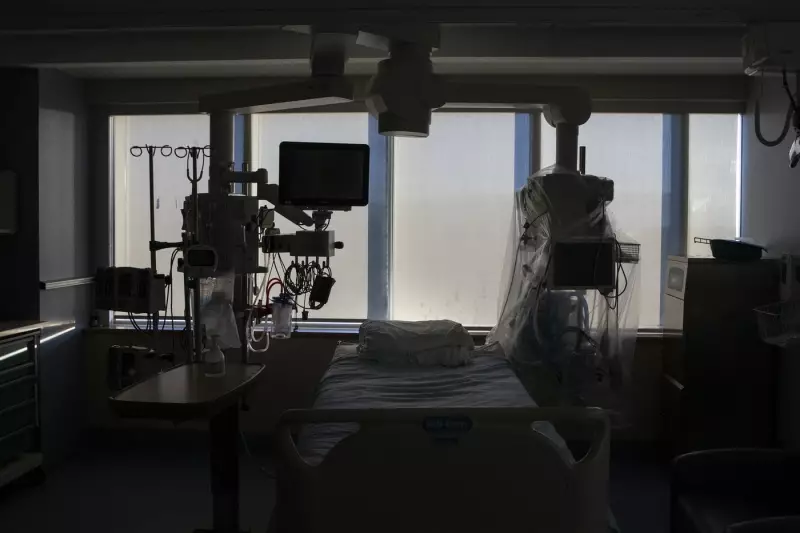
The documents, which span several years, provide a chilling account of incidents where patients suffered fatal outcomes or were brought to the brink of death due to a confluence of factors. These include critical staffing shortages, communication breakdowns between medical teams, and procedural errors. One consistent theme is the occurrence of these events in specific high-pressure areas of hospitals, informally labeled by some frontline staff as "death zones." These are typically units like emergency departments, intensive care, and surgical recovery wards where patient conditions are most volatile and the margin for error is smallest.
While the specifics of each case are protected by privacy laws, the aggregated data shows a troubling pattern. The reports detail instances where delayed responses to deteriorating vital signs, medication mix-ups, and failures in post-operative monitoring led to catastrophic results. In several documented near misses, swift intervention by a vigilant nurse or doctor averted a likely fatality, underscoring how thin the line between life and death can be.

Systemic Pressuries and Staffing Crises
Healthcare advocates and union representatives have long warned that chronic understaffing and overwhelming workloads are creating unsafe environments. These documents appear to substantiate those claims, linking many of the incidents directly to periods of extreme staff shortage or when personnel were stretched across too many patients. The strain on Alberta's healthcare system, exacerbated by the COVID-19 pandemic and ongoing demographic pressures, has pushed infrastructure and human resources to their limits.
Beyond staffing, the reports also highlight issues with outdated equipment in some facilities, inconsistent protocols across different health zones, and gaps in training for handling complex, multi-organ failure cases. The cumulative effect is a system where preventable harm becomes an ever-present risk.
Calls for Accountability and Reform
The release of these details has sparked urgent calls for transparency and action from patient safety groups, opposition politicians, and the families of those affected. They are demanding a full, independent review of the incidents cited in the documents and a publicly available action plan to address the root causes. The central question being raised is whether these tragedies were isolated failures or symptoms of a broader systemic crisis in provincial healthcare delivery.
In response to the report, Alberta Health Services (AHS) has stated that patient safety is its "top priority" and that all serious incidents undergo rigorous internal review to implement learnings and prevent recurrence. Officials point to existing quality improvement and patient safety committees that investigate adverse events. However, critics argue the process lacks sufficient public oversight and that the pace of meaningful change is too slow.
The documentation of these "death zones" serves as a grim reminder of the human cost of healthcare system failures. It places immense pressure on provincial authorities to not only investigate the past but to fundamentally guarantee that hospitals are places of healing, not heightened risk, for all Albertans.