Alberta Emergency Room Crisis Exposed by Physicians Breaking Through Privacy Barriers
While Alberta's government announces emergency department expansions and renovations, frontline physicians are revealing the daily horrors unfolding in overcrowded emergency rooms across the province. The stark contrast between political announcements and on-the-ground reality has created a healthcare crisis that doctors say requires urgent public attention.
Physicians Navigate Privacy Laws to Reveal Systemic Failures
Dr. Warren Thirsk, head of the Alberta Medical Association's emergency medicine division, explains how the sheer volume of similar cases allows physicians to discuss patient experiences without violating privacy laws. "I've now looked after so many like this that none of those patients can say that's them for sure," Thirsk stated, referring to his experience treating hip fracture patients in hospital hallways.
This phenomenon highlights the scale of the crisis according to Thirsk: "The fact that we have so many cases that are so widespread, and we can start to talk even a little bit about them, shows this is the tip of the iceberg."

Government Response Contrasts With Physician Reality
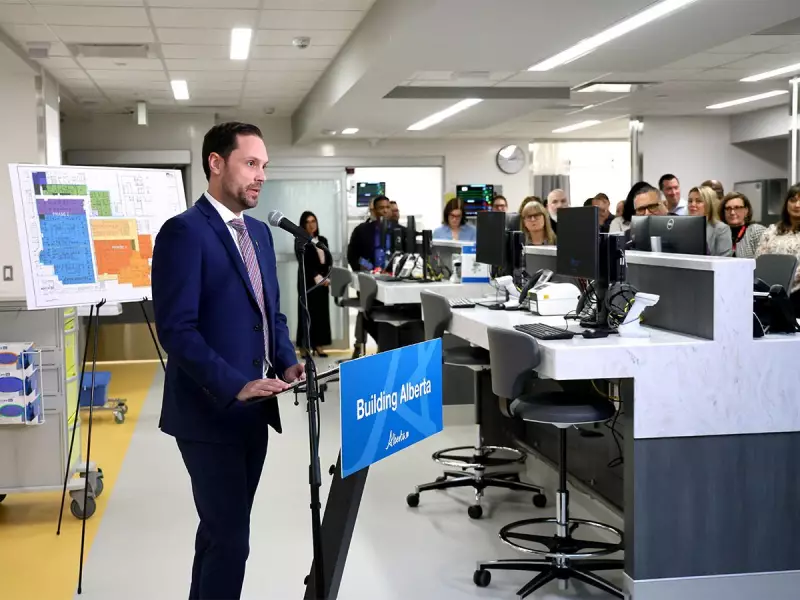
On Tuesday, January 20, 2026, Minister of Hospital and Surgical Health Services Matt Jones announced the imminent opening of a renovated emergency department at Calgary's Peter Lougheed Centre, promising many more spaces for patients. Additional major hospital projects are reportedly underway across Alberta.
Minister Jones offered condolences to affected families while noting that "it is an unfortunate reality that sick and frail people do access care in hospitals." He emphasized that far fewer than one percent of patients lose their lives in emergency departments and pointed to existing reporting systems for adverse outcomes.
However, physicians involved in compiling a leaked report detailing emergency room conditions describe this response as typical "top-level" rhetoric that obscures the current reality in Alberta's emergency departments.
Families Breaking Silence as Crucial Catalyst for Change
Both Dr. Thirsk and Dr. Paul Parks, another emergency physician involved in the report, emphasize that patient privacy should always be respected. However, they note that when families choose to speak publicly about their experiences, it creates necessary pressure for systemic change.
Dr. Parks, who works shifts at Medicine Hat hospital, points to the case of Prashant Sreekumar, a 44-year-old man who died after a prolonged wait in an Edmonton emergency room. "The tragedy of Prashant Sreekumar became national news because his family spoke out," Parks noted, adding that such disclosures prompt government attention that would otherwise remain focused on maintaining secrecy.
Parks expressed concern that even when tragedies prompt internal inquiries, the results often remain hidden from public view. "I think the recommendations are going to be secret," he said regarding the Sreekumar case investigation. "The government's not releasing them now."
Systemic Issues Require Public Scrutiny
The physicians' report, compiled from direct experiences of emergency room doctors across Alberta, was widely leaked despite not being officially released. Dr. Parks expressed satisfaction with this outcome, believing public awareness is essential for addressing systemic problems.
Both doctors continue to work demanding emergency room shifts while advocating for transparency. Dr. Thirsk serves at Edmonton's Royal Alexandra Hospital, while Dr. Parks works in Medicine Hat, giving them firsthand perspective on conditions across different regions of the province.
Their collective message is clear: without families coming forward to share their experiences, government responses will continue to prioritize expansion announcements over addressing the immediate dangers patients face in overcrowded emergency departments. The six recent deaths in emergency wards after prolonged waits represent just the visible portion of a much larger crisis affecting healthcare delivery across Alberta.