Age-Defying Athletes: How Elite Competitors Thrive in Their 40s and Inspire Mid-Life Fitness
The remarkable ability of elite athletes to compete at the highest levels into their late 30s and early 40s is reshaping perceptions of age and peak performance. This trend serves as powerful motivation for average individuals seeking to reignite their athletic dreams during mid-life. The stories of Canadian and international stars demonstrate that with the right approach, competitive excellence can extend well beyond traditional expectations.
Canadian Skating Star Leads the Charge
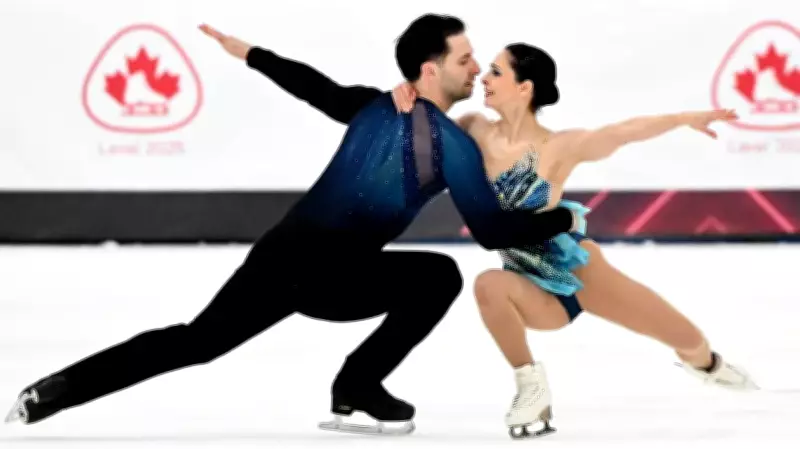
Quebec pairs skater Deanna Stellato-Dudek, aged 42, represents one of the most compelling comeback narratives in recent sports history. After a 16-year hiatus from competitive figure skating, she returned to the ice in 2016. Partnering with Maxime Deschamps in 2019, the duo achieved remarkable success, capturing the ISU World Championships title in 2024 before securing qualification for her first Olympic appearance. Their performance at the Canadian National Skating Championships in Laval showcased the technical precision and artistic expression that defies conventional age barriers in elite sports.
Global Icons Redefining Athletic Longevity
The phenomenon extends beyond figure skating to multiple sports disciplines. American skiing legend Lindsey Vonn, now 41, continues to pursue Olympic medals after retiring in 2019 as the only American woman to win Olympic downhill gold in 2010. Basketball superstar LeBron James earned Olympic MVP honors in 2024 just before turning 40 and remains dominant in the NBA at 42. Hockey icon Sidney Crosby, 38, who scored the golden goal at Vancouver 2010, has secured his position on the 2026 Olympic team roster. Tennis champion Novak Djokovic won Olympic gold at 36 and continues to excel on the professional circuit at 38.

The Science Behind Athletic Aging
Conventional scientific understanding suggests athletes reach their physical peak during their 20s, with the mean age of Olympic participants typically falling between 25-27 years. This corresponds with physiological advantages including:
- Abundant fast-twitch muscle fibers providing explosive speed and power
- Optimal cardiac output and oxygen utilization
- Enhanced recovery capacity following intense training
These natural advantages begin diminishing around age 30, with fast-twitch fibers decreasing and other performance markers gradually declining. While high-intensity training can slow this process, the physiological differences between athletes in their 20s versus those in their late 30s or early 40s often determine Olympic qualification in power-dependent sports like sprinting and short-track speed skating.
Endurance Advantages and Experience Compensation
Endurance athletes such as cross-country skiers tend to peak slightly later due to their reliance on more resilient slow-twitch muscle fibers. However, the sustained competitiveness of athletes into their 40s represents more than just physiological adaptation. Cognitive skills and experiential knowledge continue developing into our 60s, allowing veteran athletes to compensate for minor physical declines with superior strategy, technical execution, and mental resilience.
The Modern Training Revolution
Advancements across multiple domains have revolutionized athletic longevity:
- Sports Medicine Innovations: Improved injury prevention, treatment, and rehabilitation protocols
- Training Science: Modified workout regimens emphasizing quality over quantity
- Recovery Technology: Enhanced post-exercise regeneration through advanced methodologies
- Equipment Evolution: High-tech gear enabling better performance with reduced physical strain
According to Scott Livingston, a renowned reconditioning practitioner and master performance coach based in Mont-Tremblant, Quebec, successful aging athletes adopt fundamentally different approaches than their younger counterparts. "The same formula they used to be successful in their 20s isn't going to work in their 40s," Livingston explains. "They don't train harder, they train smarter."

The Holistic Performance Approach
Elite athletes extending their careers typically invest in comprehensive support systems including:
- Personalized nutrition plans optimized for recovery and performance
- Specialized strength and conditioning programs
- Mental performance coaching and psychological support
- Precision training load management
- Advanced recovery protocols
Livingston notes that successful veteran athletes "have a multi-disciplinary team that manages every element of their overall health and physical performance," allowing them to "get as much juice out of the lemon as possible." While some athletes credit trendy anti-aging regimens, the primary factors remain genetic predisposition, exceptional talent, accumulated experience, and balanced training-recovery integration.
Practical Applications for Everyday Athletes
The strategies employed by elite aging athletes offer valuable lessons for recreational enthusiasts:
- Prioritize Recovery: Like Stellato-Dudek, who invests more time in recovery management than during her earlier career
- Leverage Experience: Utilize accumulated knowledge, as Vonn does with her extensive understanding of international courses
- Emphasize Technique: Focus on technical mastery that compensates for minor physical changes
- Adopt Smart Training: Quality-focused workouts rather than excessive volume
- Implement Holistic Health: Comprehensive attention to nutrition, sleep, stress management, and mental wellbeing
The increasing prevalence of elite athletes competing successfully into their 40s represents more than exceptional outliers—it demonstrates evolving possibilities for athletic achievement across the lifespan. For everyday fitness enthusiasts approaching mid-life, these stories provide tangible evidence that with strategic approaches to training, recovery, and performance optimization, peak physical accomplishments can remain within reach well beyond traditional expectations. The combination of experience, smarter training methodologies, and holistic health management means that for many individuals, their most rewarding athletic years may still lie ahead.