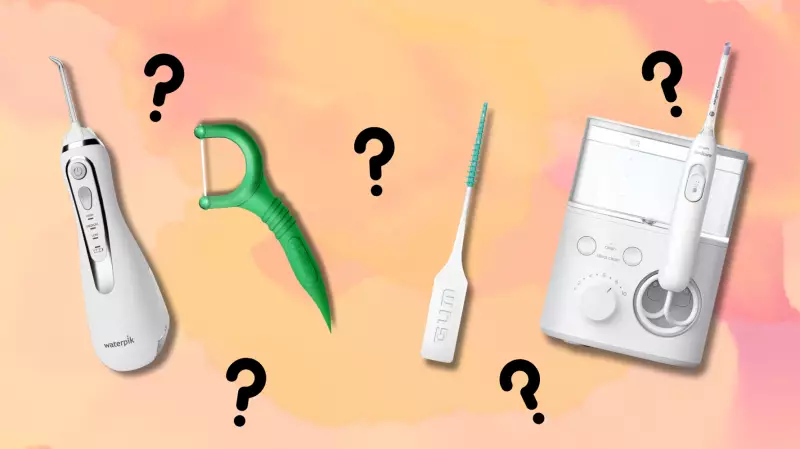
Water Flossing vs. Mechanical Flossing: What Dentists Really Think
From corded models that sit on your bathroom counter to portable versions perfect for travel, water flossers have surged in popularity. Many consumers, including avid HuffPost readers, eagerly purchase these devices during sales, and online reviews often praise them as an effortless way to achieve cleaner teeth. However, water flossers can carry a higher price tag, leading to a crucial question: are they truly essential when traditional dental floss offers a much more affordable alternative?
The Verdict from Dental Professionals
In previous discussions, Dr. Bronwyn Hagan of Fitzsimons & Hagan Dentistry in New York provided clear guidance to HuffPost. She stated, "Water flossing is great, but it does not replace traditional floss or floss picks. That mechanical debridement of your teeth and gums is important." This perspective is widely shared among multiple other dentists consulted for this topic.
If you are already committed to regular manual flossing, your oral hygiene routine may be sufficiently robust, regardless of whether you incorporate a water flosser. Dr. Michael J. Wei, founder of Manhattan Cosmetic in New York City, elaborated, "If you floss with a string, you don't technically need a water flosser, but it never hurts to floss a second time with the water flosser for a more thorough clean." Dr. Wei specializes in general, cosmetic, and restorative dentistry, adding weight to his advice.

Recognizing the Benefits of Water Flossing
Despite the emphasis on mechanical flossing, water flossers should not be dismissed outright, as they offer distinct advantages. Dr. Lauren Becker, a general and cosmetic dentist based in New York City, told HuffPost, "Water flossers do a great job at removing additional bacteria, debris and food particles that brushing and flossing do not. I also highly recommend it for gum health, as it reduces the chances of gingivitis and gum disease."
According to the Mayo Clinic, water flossing proves particularly beneficial for individuals with braces or other orthodontic appliances, such as permanent retainers, which can complicate the use of traditional string floss. Additionally, those with limited mobility who struggle to manipulate string floss may find water flossers a practical and effective solution.
Dentist-Recommended Oral Care Products
With these insights in mind, we asked dental experts for their top recommendations to help you maintain optimal dental hygiene without overspending on unnecessary items. The products listed below are endorsed by professionals, though it is important to note that the experts consulted do not necessarily endorse specific brands unless explicitly stated.

Essential Tools for a Complete Oral Care Routine
- Electric Toothbrush for Thorough Brushing: A solid oral care regimen begins with effective brushing. Dr. Lieb specifically recommended a Philips Sonicare electric toothbrush "for thorough, effective daily brushing." The ProtectiveClean 5300 model, favored by many HuffPost readers, features a pressure sensor, three modes, and a two-minute timer. It includes two bonus brush heads and a travel case, with a battery lasting up to two weeks per charge. Over 15,000 Amazon reviewers have awarded it five stars.
- Classic Mechanical String Floss: Dr. Wei emphasized, "I recommend traditional string floss always because it gets every crevice." He highlighted Oral-B Glide floss for its mint flavoring, which enhances breath freshness. This micro-textured floss removes plaque and buildup gently, and its compact design makes it ideal for travel.
- Disposable Soft Picks: Dr. Lieb suggested GUM Soft-Picks for larger spaces between teeth. These picks have flexible, soft bristles that effectively remove food and plaque, especially useful for those with braces. They come in a convenient carrying case for on-the-go use.
- Plug-In Water Flosser for Home Use: Dr. Becker prefers corded water flossers for their consistent power, recommending the Philips Sonicare Power Flosser 3000. This model offers two modes, 10 intensity levels, and a 550-milliliter reservoir, designed to provide a deep clean with four water streams and a pulse wave feature.
- Portable Water Flosser for Travel: While corded models are powerful, a portable option is essential for maintaining hygiene away from home. Dr. Becker, Dr. Wei, and Dr. Lieb all recommend Waterpik water flossers, with the Cordless Advanced 2.0 model being a top choice for travel. It features a long-lasting battery, multiple pressure settings, and a travel bag.
- Peroxide-Based Mouthwash for Enhanced Cleaning: Dr. Lieb advises mixing Crest 3D White Glamorous White Mouthwash with water in the flosser reservoir for added cleansing and whitening benefits. This alcohol-free formula helps remove surface stains and leaves teeth feeling exceptionally clean.
- Floss Picks for Convenience: Dr. Wei recommended Oral-B Glide Scope Outlast floss picks for quick use on the go. These mint-flavored picks are micro-textured and ideal for removing food particles in a pinch, though they are not intended for full-mouth flossing.
Expert Tips for Effective Water Flossing
Dr. Pia Lieb, a cosmetic dentist with over 30 years of experience and founder of Cosmetic Dentistry Center NYC, offered crucial advice: "Water flossers are excellent at rinsing away loose food particles, but they cannot fully remove plaque, the sticky biofilm of food debris and bacteria that builds up between teeth. Plaque requires mechanical removal with tools such as string floss, interdental brushes or soft picks. Once that's done, a water flosser is a fantastic finishing step."
Dr. Becker added a note of caution regarding product selection: "Just because they look trendy doesn't always mean they're effective. A lot of design-centric models have been created in recent years as an effort to encourage consumers to purchase them. They're stylish and might have great marketing, but they're not as effective at cleaning the teeth like the top brands (Philips Sonicare and Oral-B)."
By combining mechanical flossing with water flossing where appropriate, and selecting dentist-recommended products, you can achieve a comprehensive oral care routine that promotes long-term dental health without unnecessary expenses.