Understanding Poor Circulation: Expert Insights and Over-the-Counter Solutions
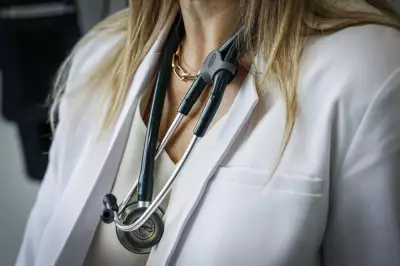
This past summer, when former President Donald Trump's medical team disclosed a diagnosis of chronic venous insufficiency, it brought widespread attention to this common vascular condition. Many people learned that venous insufficiency is a prevalent form of vein-related poor circulation that affects a significant portion of the population. To better understand the exact symptoms and management options, we consulted with Dr. Sukgu M. Han, a vascular surgeon and co-director of the USC Comprehensive Aortic Center with Keck Medicine of USC.
What Is Venous Insufficiency?
Venous circulation issues occur when blood pools in body parts like the legs and feet because veins fail to properly return blood from the arteries to the heart. "The most common vein problems are leg swelling," Dr. Han explained, noting that other vascular specialists frequently mention additional symptoms such as:
- Leg cramps
- Leg heaviness
- Discomfort during prolonged standing
Dr. Han emphasized that normal circulation is crucial for the body's healing process, as it delivers essential blood and oxygen to minor injuries like cuts and scrapes that occur daily. Without proper circulation, these small wounds can develop into serious complications including ulcers and, in advanced stages, even limb loss.

Distinguishing Between Venous and Arterial Issues
The vascular surgeon carefully noted an important distinction between the vein-related problems discussed above and arterial circulation issues, which affect blood movement from the heart to various body parts. While these separate conditions may produce similar symptoms depending on the affected area, they require different approaches to diagnosis and treatment.
"If there are any symptoms that you're experiencing chronically, I think seeking care from a vascular surgeon or vascular specialist and doing the necessary testing to diagnose the problem early is very important," Dr. Han advised.
Over-the-Counter Solutions for Mild to Moderate Cases
With that important medical disclaimer in mind, Dr. Han helped identify several over-the-counter products that may assist with mild to moderate poor circulation cases. The experts consulted for this story do not necessarily endorse specific products unless otherwise noted.
Compression Socks and Stockings
Podiatrists have previously referred to compression socks or stockings as "the gold standard" for treating foot, leg, and ankle swelling. Dr. Han suggested these accessible items as routine choices for managing poor circulation, particularly venous-related issues.
"They prevent leg swelling, support venous return and reduce the consequences of poor venous circulation from getting worse and reaching the advanced stages of ulcers," Dr. Han explained, noting that ulcers represent open wounds in toes, feet, or fingers.
For over-the-counter options, consider these popular choices:
- Knee-High Compression Socks: These athletic knit socks feature targeted compressive support on the heel, foot, and calf while avoiding joint squeezing. With a compression level of 20-30 mmHg (a commonly prescribed pressure grade) and available in three sizes, they've earned over 93,500 Amazon ratings.
- High-Pressure Compression Stockings: Made from natural rubber and nylon, these stockings offer 40-50 mmHg of pressure—typically considered medical grade and often used for chronic venous insufficiency. The high-stretch material promises comfort and a custom-like fit, available in gender-neutral sizes with both open-toe and closed-toe designs.
Supportive Accessories
Dr. Han acknowledged that high-pressure compression stockings, while offering optimal support, can be challenging to put on due to their tight fit. To address this, consider:

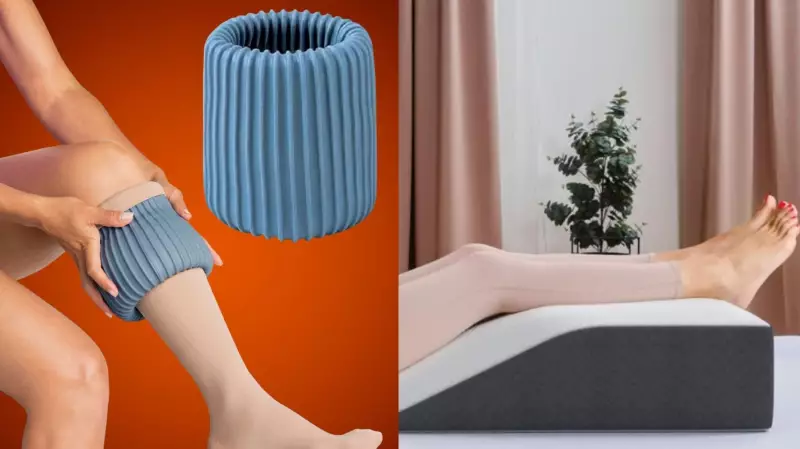
- Compression Stocking Aid: A soft rubber sleeve device specifically designed for compression garments that helps roll on stockings and ensure proper placement, particularly useful for those with limited mobility.
For nighttime relief, Dr. Han recommends elevation: "I usually tell my patients who have venous insufficiency, when they sleep at night, to elevate their legs above their heart level and use gravity to their advantage in draining."
- Wedge Pillow: This high-density foam pillow with a removable, machine-washable cover helps comfortably elevate legs above heart level, reducing swelling and making compression stockings more effective. It can also serve as a back pillow to address back pain and prevent acid reflux.
Massage and Warming Therapies
Dr. Han agreed with other experts that leg massage machines can help relieve poor circulation symptoms through lymphatic-type massage that helps draw fluid away from lower extremities.
- Leg Massager Boots: These knee-high boots use large air chambers throughout to simulate real kneading, featuring two massage modes, ten different techniques, and three intensity levels.
For cold extremities sometimes associated with poor circulation, warming items can help dilate microcirculation and improve blood flow through smaller blood vessels.
- Heated Therapy Mittens: Machine-washable mittens that can be warmed in the microwave provide steady, moist heat to hands. Filled with heat-retaining flaxseed, clay beads, and lavender for soothing aromatherapy.
- Heated Foot Massager: This plush foot device offers warming support with the added benefit of compressive massage, featuring soothing heat and kneading shiatsu-style massage on foot soles.
Nutritional Support
For arterial circulation issues, Dr. Han noted that fish oil and omega fatty acids have demonstrated benefits, whether as supplements or through dietary sources.
- Fish Oil Supplement: These daily supplement capsules, with minimal fishy flavor according to numerous reviews, provide omega fatty acids that may support arterial health. Always consult with a healthcare professional before beginning any supplement regimen.
Remember that while these over-the-counter options may provide relief for mild to moderate circulation issues, persistent symptoms warrant professional medical evaluation. Early diagnosis and proper treatment remain essential for managing vascular health effectively.