The Hidden Dangers of Chronic Dry Mouth and How to Find Relief
That persistent pasty sensation, the uncomfortable feeling of sandpaper in your mouth, persistent bad breath, and difficulty swallowing – these are all telltale signs of chronic dry mouth, a condition medically known as xerostomia. For JoAnn Gurenlian, a dental hygienist and director of education and research with the American Dental Hygienists Association, these symptoms became a personal reality during cancer treatment years ago.
"It was so bad at one point my tongue stuck to the roof of my mouth," Gurenlian recalled, describing the profound discomfort that many Canadians experience silently. She emphasizes that dry mouth can stem from various sources including prescription medications, autoimmune disorders, and underlying health conditions like diabetes.
Why Ignoring Dry Mouth Can Be Dangerous
Dr. Corey Brick, a New York City-based dental surgeon, warns that leaving chronic dry mouth unaddressed can trigger severe oral health complications. Xerostomia can become the catalyst for rampant tooth decay and aggressive gum disease, creating a cascade of dental problems that require extensive treatment.

Gurenlian remembers how dry mouth affected her daily life years after her initial experience, but she insists that suffering silently isn't necessary. Beyond creating personalized treatment plans with dental professionals, she points to effective over-the-counter solutions that can provide significant relief.
Expert-Recommended Products for Dry Mouth Relief
1. Moisturizing Mouth Gel
"Gel products lubricate the mouth and can be very soothing for patients," Gurenlian explained. These specialized gels typically combine glycerin with saliva-stimulating agents like xylitol to provide long-lasting moisture while freshening breath simultaneously.
2. Saliva-Producing Gum and Mints
Dr. Brick highlights xylitol as a particularly beneficial sugar alternative that not only prevents cavities but actively increases saliva production. Found in various lozenges and gums from brands like Spry and Xylichew, these products come in natural flavors like cinnamon and spearmint while supporting oral health.
Important safety note: Gurenlian cautions pet owners to keep xylitol products away from dogs, as this ingredient is toxic to canine companions.
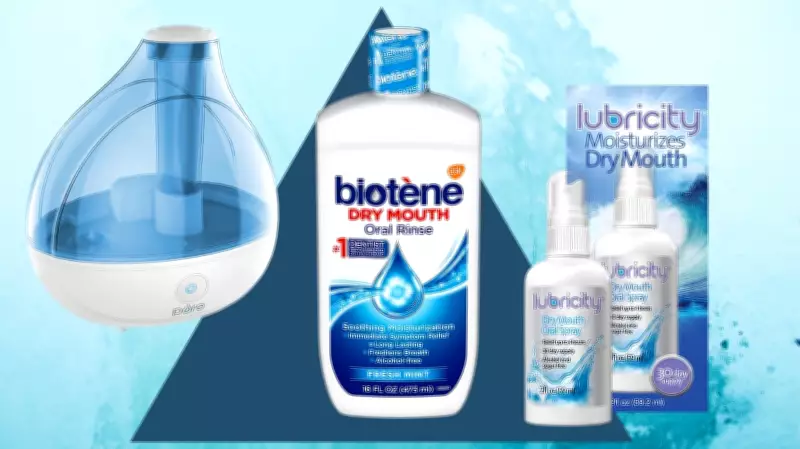
3. Ultrasonic Cool Mist Humidifier
"When addressing dry mouth symptoms, sometimes it's important to first check what's going on in your environment. Is it overly drying?" Gurenlian suggested. A quality humidifier can hydrate indoor air significantly, with ultrasonic cool mist models maintaining moisture for up to 25 hours while helping relieve sinus issues through consistent humidity regulation.
4. Hydrating Coconut Water
Both experts stress the fundamental importance of regular hydration. Dr. Brick specifically recommends coconut water as an excellent alternative to plain water: "The natural sodium content helps to draw water and saliva back into the mouth." Organic, sustainably sourced coconut water provides natural electrolytes and nutrients that support overall hydration.
5. pH-Balanced Oral Rinse
Dr. Brick identifies Bioténe's alcohol-free and sugar-free oral rinse as particularly popular among dry mouth sufferers. This specialized formula lubricates and soothes oral tissues for up to four hours while helping maintain a balanced pH environment in the mouth.
6. Lubricating Dry Mouth Spray
For immediate relief, Dr. Brick recommends Lubricity's flavorless, odorless spray that instantly stimulates saliva production. Formulated with just five simple ingredients including xylitol and hyaluronic acid – a powerful humectant that draws moisture into tissues – this spray provides on-the-go relief.
7. Lanolin-Rich Superbalm
For accompanying lip dryness and soreness, an all-purpose rescue balm containing lanolin can provide rapid relief. This non-pore-clogging emollient, rich in vitamin D, helps repair skin while locking in hydration where it's needed most.

The Critical Role of Saliva in Oral and Overall Health
"Our saliva is protective, containing antibodies that help to fight and neutralize the bacteria that cause either cavities or gum disease," Dr. Brick explained. Reduced salivary flow compromises the body's natural defense against bacterial accumulation, leading to rapid plaque formation and increased infection risk.
Gurenlian adds that recurrent mouth and fungal infections become significant concerns with chronic dry mouth. Beyond plaque control, adequate saliva serves essential digestive functions. "With reduced salivary flow, people can have difficulty eating and digesting their foods, leading to heartburn, reflux and poor nourishment," Dr. Brick cautioned.
The Psychological Impact of Chronic Dry Mouth
Gurenlian notes the often-overlooked mental health implications, explaining that dry mouth can diminish a person's ability to enjoy food or engage socially without discomfort. She distinguishes between temporary and chronic cases: "If you are taking an antihistamine because you have a sinus problem or you have hay fever and seasonal allergies, this might be something that's just a very temporary situation."
However, when symptoms persist even after discontinuing medications, she advises consulting healthcare professionals: "If you're noticing that your symptoms are building up and not going away, even after you've stopped taking medication, it might be time to go to your doctor or your dental professional and say, 'What can I do about this?'"
With proper awareness, professional guidance, and effective over-the-counter solutions, Canadians suffering from chronic dry mouth can find meaningful relief and protect their long-term oral health.