Meet Molly: LaSalle's Unlikely Ambassador for Rare Disease Awareness
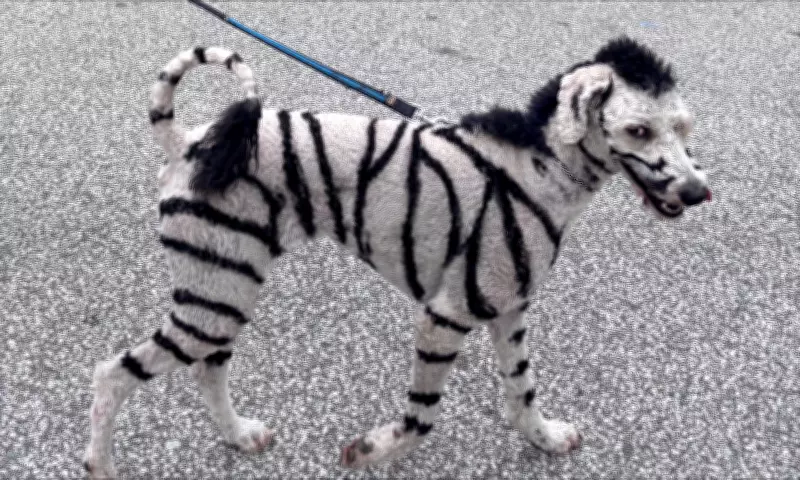
In the quiet town of LaSalle, Ontario, a most unusual four-legged resident is capturing hearts and sparking conversations about a little-known medical condition. Molly, a dog with a striking coat pattern reminiscent of a zebra, has become a local celebrity and a powerful symbol of hope and education for neuroendocrine tumours (NETs).
Molly's owner, Lynn Chalut, has always known her pet was special. The distinctive stripes that earned Molly the nickname 'zebra dog' are not just a cosmetic curiosity; they serve as a conversation starter for a cause close to Chalut's heart. Diagnosed with neuroendocrine tumours herself, Chalut saw an opportunity to use Molly's unique appearance to shine a light on a disease that often goes undiagnosed or misdiagnosed.
What Are Neuroendocrine Tumours?
Neuroendocrine tumours are rare growths that can occur in various parts of the body, including the lungs, pancreas, and gastrointestinal tract. They arise from cells that produce hormones and can be difficult to detect in early stages. Awareness is critical, as early diagnosis significantly improves treatment outcomes.

Chalut, who has been living with NETs for several years, understands the challenges patients face. She decided to channel her experience into advocacy, and Molly became the perfect partner. The dog's zebra-like markings are a nod to the medical adage, 'When you hear hoofbeats, think horses, not zebras,' which reminds doctors to consider common conditions first. But for NET patients, being the 'zebra' means fighting for recognition and research.
From Social Media Star to Community Icon
Molly's fame began on social media, where photos of her distinctive coat quickly went viral. Chalut seized the moment to share information about NETs, posting facts, personal stories, and resources. The response was overwhelming, with messages pouring in from people around the world who had never heard of the disease.
Locally, Molly has become a familiar sight at community events, parades, and even hospital visits. She wears a custom vest that reads, 'Ask me about NETs,' inviting curious onlookers to learn more. Chalut reports that many people who stop to pet Molly end up staying for a conversation about health, advocacy, and the importance of listening to your body.
A Bond That Inspires
The bond between Chalut and Molly is evident to anyone who sees them together. Molly is not just a pet but a therapy companion, providing comfort during difficult treatments and celebrating good days with playful energy. Chalut credits Molly with giving her a renewed sense of purpose and a platform to make a difference.
Local veterinarians have confirmed that Molly's stripes are a natural variation, not a sign of any health issue. Her unique appearance is purely cosmetic, but its impact is profound. The dog has been featured in local news and is even being considered for a documentary about animals helping humans raise awareness for rare diseases.
How You Can Help
Chalut encourages anyone interested in learning more about neuroendocrine tumours to visit reputable medical websites or contact patient advocacy groups. She also hopes that Molly's story will inspire others to embrace their own 'zebra' qualities—whether a unique appearance, a rare condition, or an unconventional path—and use them to educate and connect.
As for Molly, she continues to enjoy her role as LaSalle's most famous canine, greeting everyone with a wagging tail and those unforgettable stripes. For Chalut, every new person who learns about NETs because of Molly is a victory in the fight against this overlooked disease.