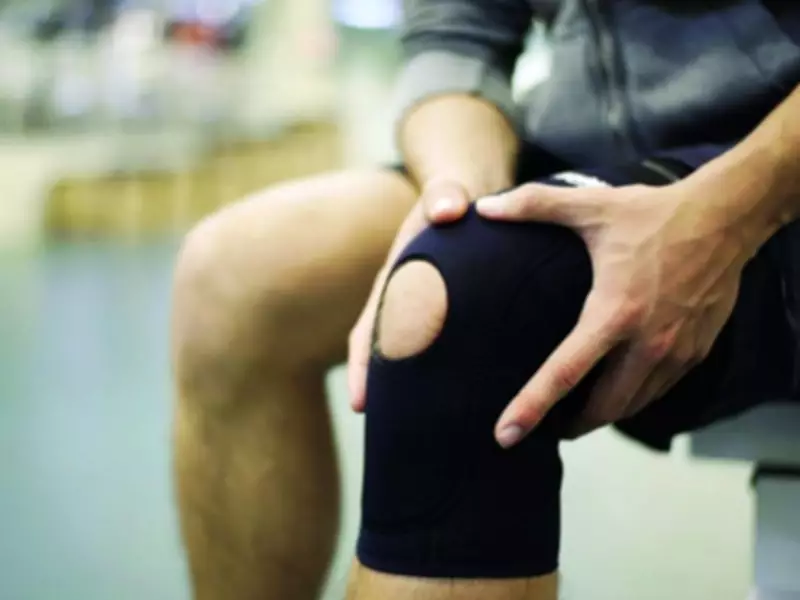
A groundbreaking study published in Scientific Reports is turning a natural biological process into a potential therapy for osteoarthritis, a condition affecting over 600 million people globally. Researchers in Lithuania have discovered that tiny particles from menstrual blood, known as extracellular vesicles (EVs), may help repair damaged cartilage.
Understanding Osteoarthritis
Osteoarthritis is the most common form of arthritis, characterized by the breakdown of cartilage in joints. Current treatments only manage symptoms, such as pain and inflammation, without addressing the underlying damage. Dr. Mohit Kapoor, co-director of UHN's Schroeder Arthritis Institute, emphasized that there are no approved disease-modifying therapies for osteoarthritis, making this research particularly significant.
How Menstrual Blood-Derived EVs Work
The EVs, taken from menstrual blood-derived stromal cells, act as messengers between cells, regulating inflammation and promoting tissue repair. In laboratory experiments, these EVs stimulated chondrocytes (cartilage cells) and boosted the production of extracellular matrix, the structural scaffolding that gives cartilage its strength. Importantly, they also slowed down tissue breakdown.

One of the most surprising findings was that the therapy worked on cartilage from postmenopausal women, where natural repair ability is usually diminished. The EVs increased progesterone receptor expression in aging cartilage cells, hinting at a hormone-linked repair mechanism that could be crucial for postmenopausal osteoarthritis.
Advantages of Menstrual Blood as a Source
Menstrual blood offers several practical benefits: it is easy to collect, non-invasive, and naturally regenerative, as these cells rebuild the uterine lining every month. This makes it a renewable and accessible source for potential therapies, unlike bone marrow-based treatments.
Challenges and Next Steps
Despite the promise, there are significant hurdles. EVs are fragile and degrade quickly, requiring biological scaffolds for delivery. These scaffolds must be chemically stable, mechanically strong, and biocompatible. Additionally, safety, consistency, and donor variability need thorough investigation. The study is based on in vitro and ex vivo experiments, so further research in living organisms is necessary.
Dr. Kapoor noted that while the findings are encouraging, it remains to be seen if this strategy can reverse or halt cartilage damage in preclinical models. Long-term effects and optimal dosing are still unknown.
Future Implications
The study opens a new door for osteoarthritis treatment, offering a non-invasive, cell-free approach that could be safer and easier to deploy. As Dr. Kapoor stated, there is a global effort to find ways to stop or reverse cartilage damage, and this research provides a novel avenue to explore.