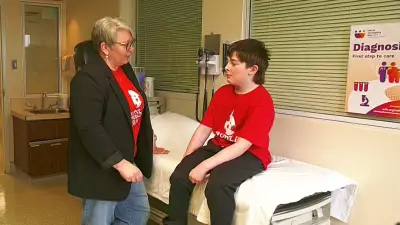
Colorectal Cancer Prevention: Essential Screening Guidelines and Steps
Colorectal cancer stands as one of the most preventable forms of cancer, yet it remains a significant health concern globally. By understanding and adhering to screening protocols, individuals can drastically reduce their risk and detect issues early when treatment is most effective. This article delves into the critical methods and steps for colorectal cancer screening, emphasizing its preventable nature through proactive health measures.
Why Colorectal Cancer Screening Is Crucial
Colorectal cancer often develops from precancerous polyps in the colon or rectum, which can be identified and removed during screening procedures. Early detection through regular screenings not only prevents the progression to cancer but also significantly improves survival rates. Health experts stress that screening is vital for adults, particularly those over 45 or with a family history of the disease, as it allows for timely intervention and better outcomes.
Key Screening Methods Available
Several screening options are available to help prevent colorectal cancer, each with its own benefits and considerations. The most common methods include:

- Colonoscopy: This procedure involves a thorough examination of the colon using a flexible tube with a camera, allowing doctors to detect and remove polyps during the same session. It is considered the gold standard for screening due to its high accuracy and preventive capabilities.
- Fecal Immunochemical Test (FIT): An at-home test that checks for hidden blood in the stool, which can be an early sign of colorectal cancer. It is non-invasive and recommended for annual use as part of routine screening.
- Stool DNA Test: This test analyzes stool samples for genetic markers associated with colorectal cancer, offering another convenient at-home option for early detection.
- Flexible Sigmoidoscopy: A less invasive procedure that examines the lower part of the colon, often used in combination with other tests for comprehensive screening.
Discussing these options with a healthcare provider can help determine the best approach based on individual risk factors and preferences.
Steps to Get Screened and Reduce Risk
To effectively prevent colorectal cancer, follow these actionable steps:
- Consult a Healthcare Professional: Schedule an appointment with your doctor to discuss your risk factors, such as age, family history, and lifestyle, and to receive personalized screening recommendations.
- Choose a Screening Method: Based on medical advice, select a screening test that fits your needs, whether it's a colonoscopy, FIT, or another approved method, and schedule it promptly.
- Adopt a Healthy Lifestyle: Incorporate habits like a balanced diet rich in fiber, regular physical activity, limiting alcohol consumption, and avoiding tobacco to lower your overall cancer risk.
- Stay Informed and Proactive: Keep up with updated screening guidelines from health organizations and encourage family and friends to prioritize their colorectal health through regular check-ups.
By taking these steps, individuals can play an active role in preventing colorectal cancer and promoting long-term wellness.
The Impact of Early Screening on Public Health
Widespread adoption of colorectal cancer screening has the potential to save countless lives and reduce healthcare costs associated with advanced cancer treatment. Public health campaigns and increased awareness are essential to encourage more people to undergo screening, especially in underserved communities where access may be limited. Emphasizing the preventable nature of this disease through education and accessible screening programs can lead to significant improvements in population health outcomes.
In summary, colorectal cancer is largely preventable through diligent screening and healthy lifestyle choices. By understanding the available methods and taking proactive steps, individuals can significantly reduce their risk and contribute to a healthier society. Remember, early detection is key—don't delay in discussing screening options with your healthcare provider today.